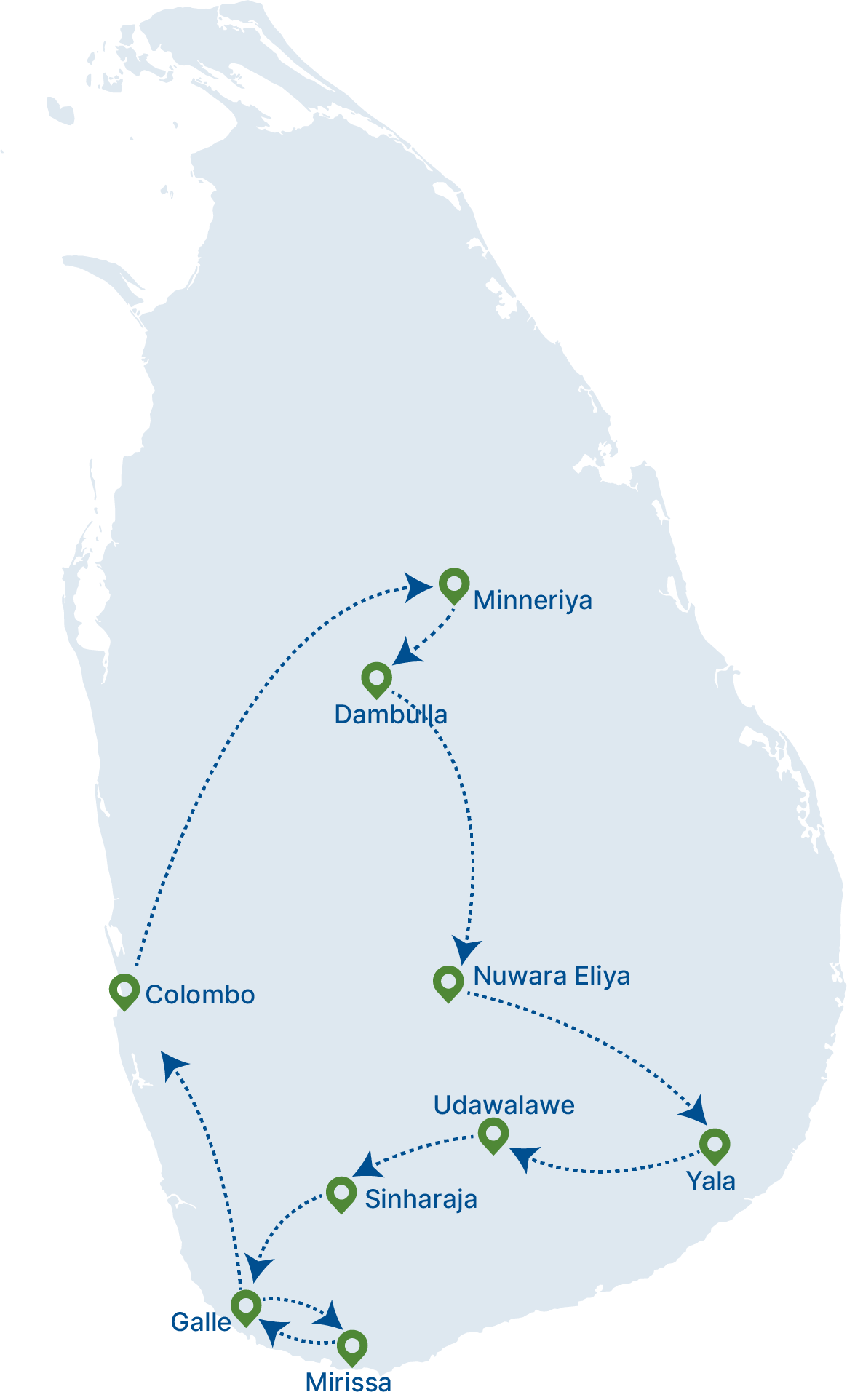
Sri Lanka is a mosaic of landscapes, cultures and stories waiting to be explored. From mist-cloaked hills to sunlit shores, bustling towns to hidden villages, each corner of the island offers a rhythm and texture all its own. At Lankique Travel, we invite you to wander beyond the familiar, to step into places that linger in memory, and to experience the soul of the island through its people, its history and its breathtaking natural beauty
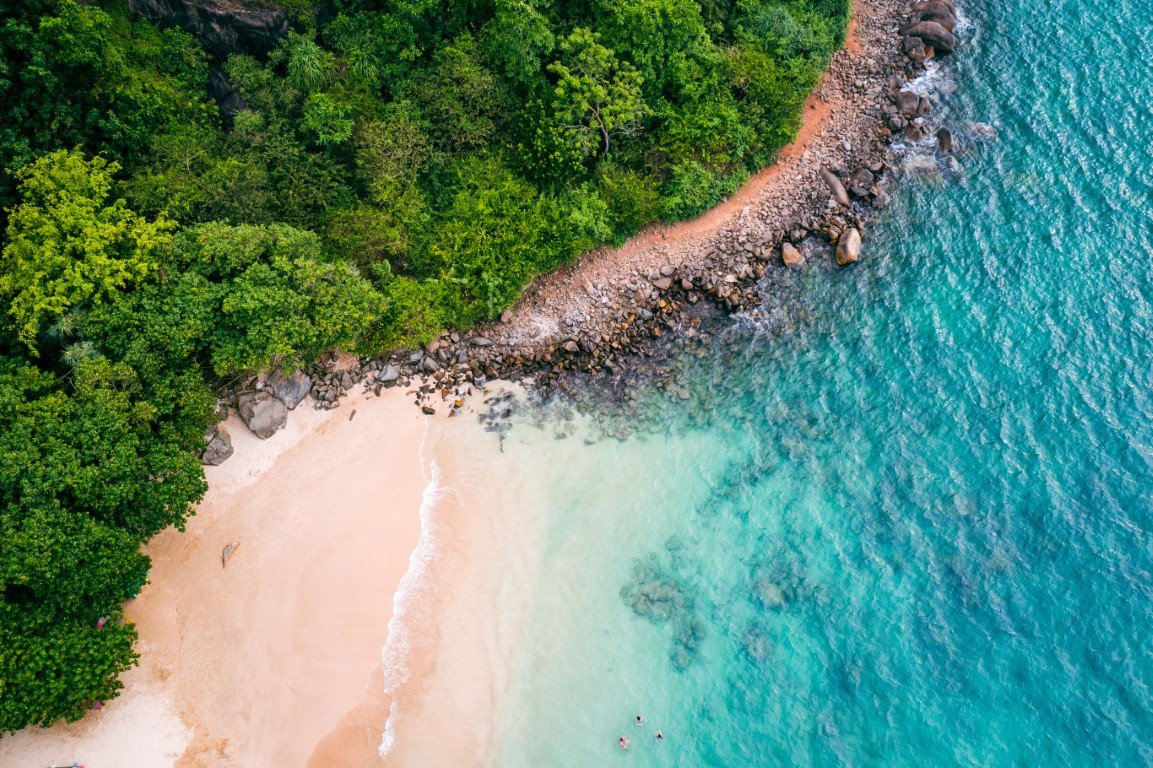
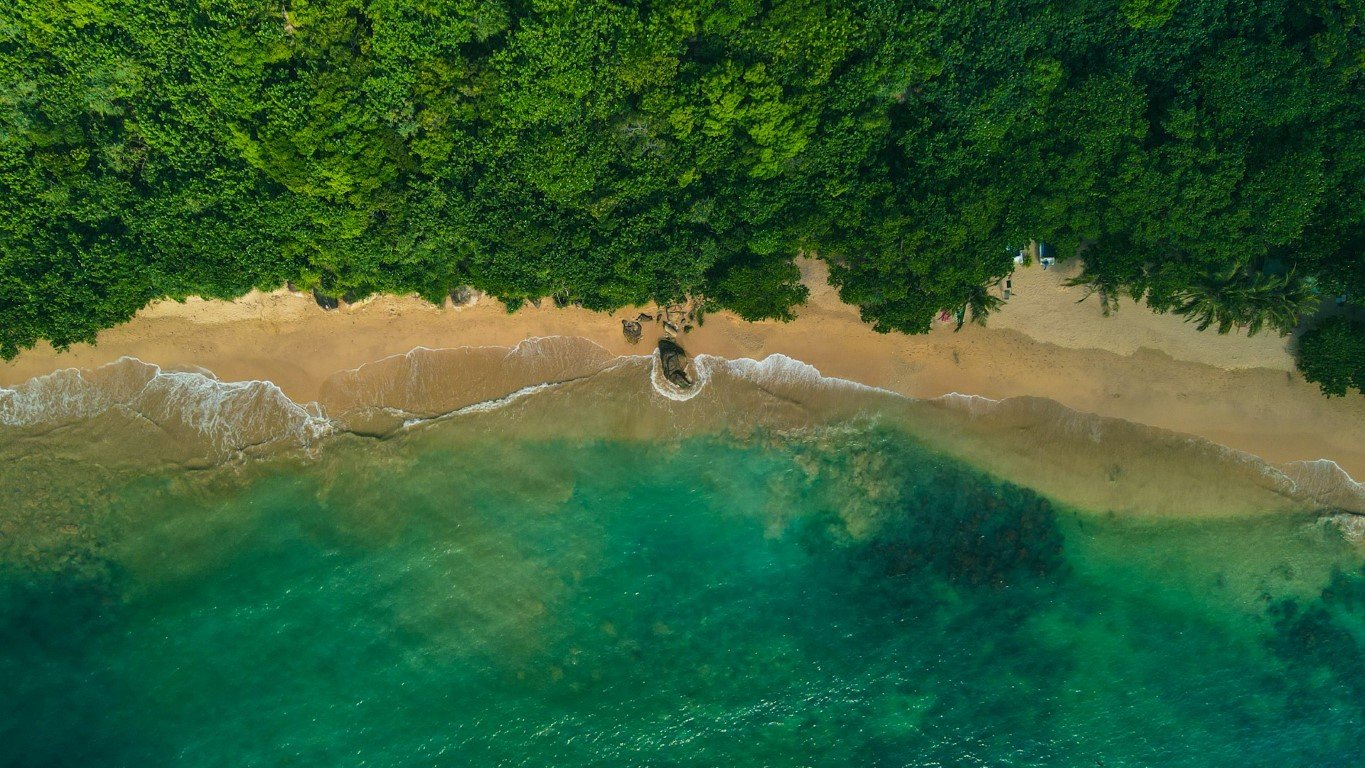
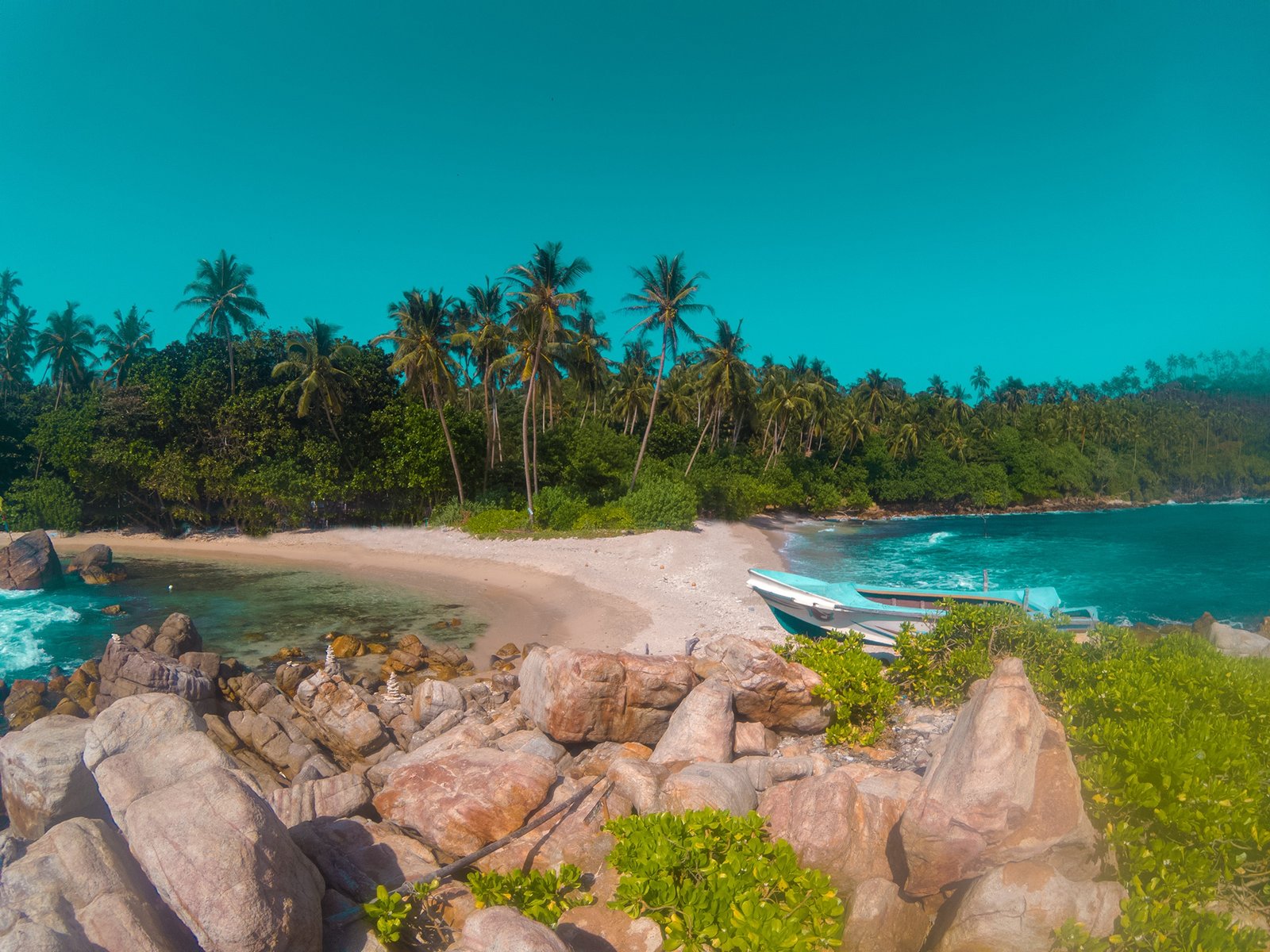
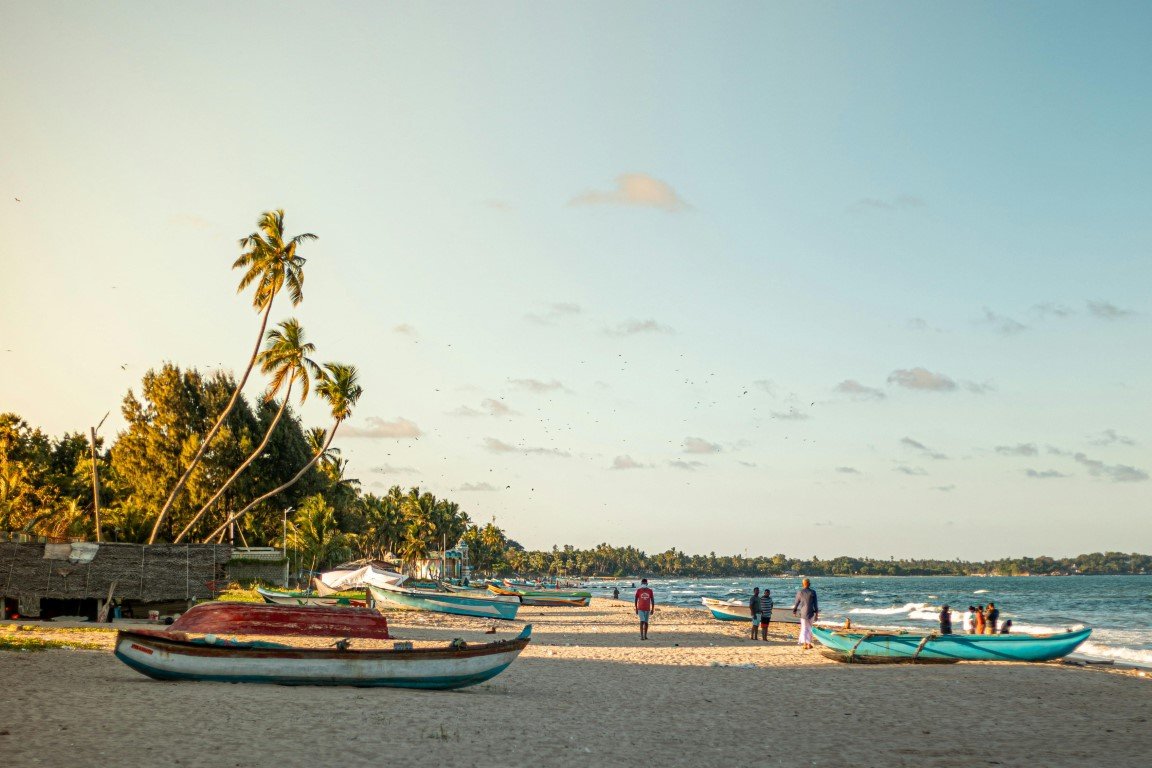
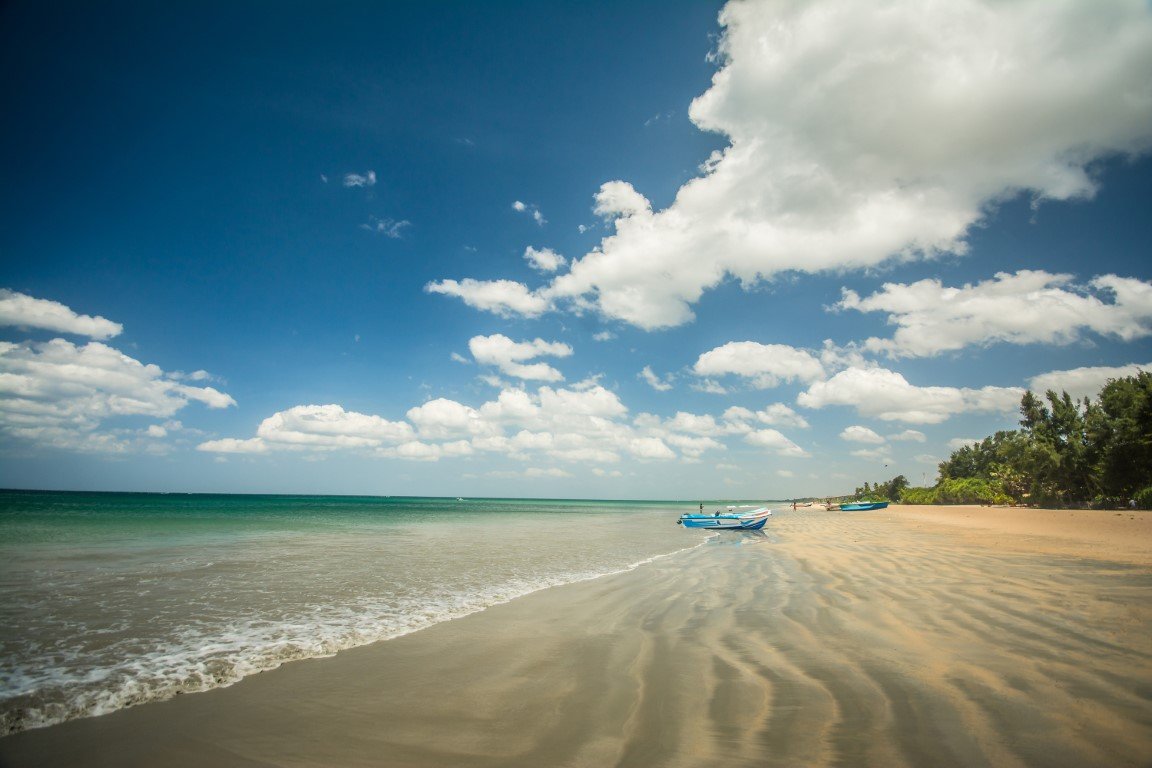
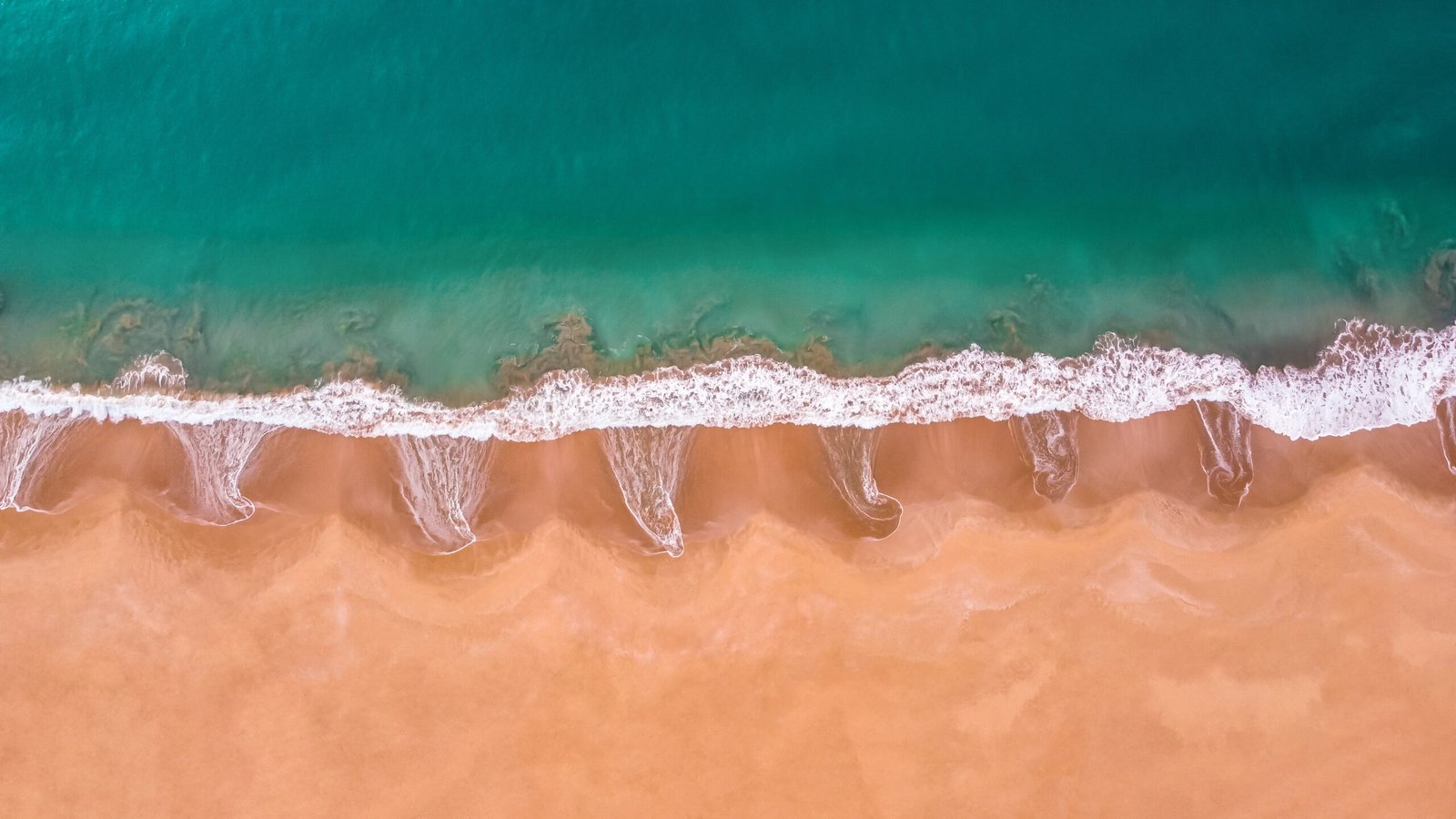
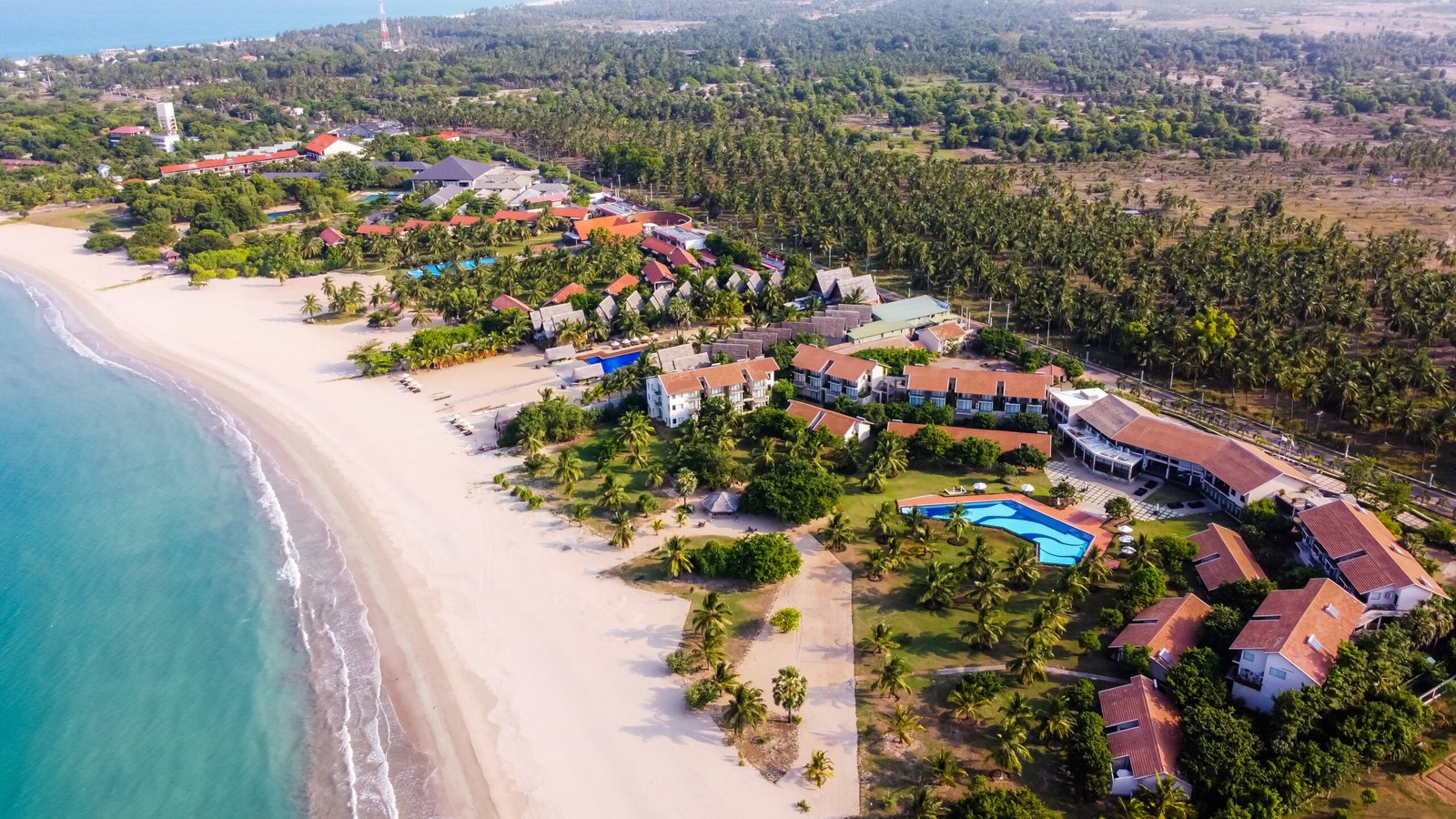
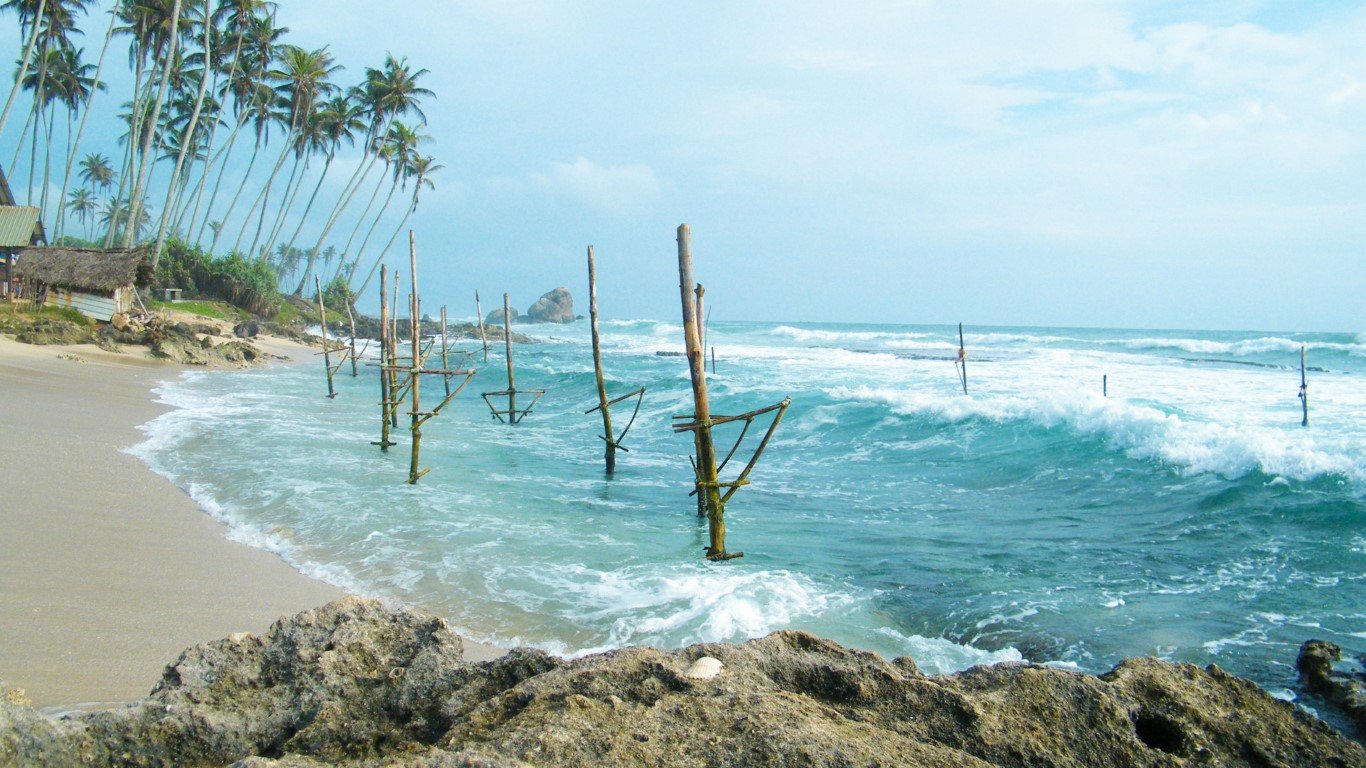
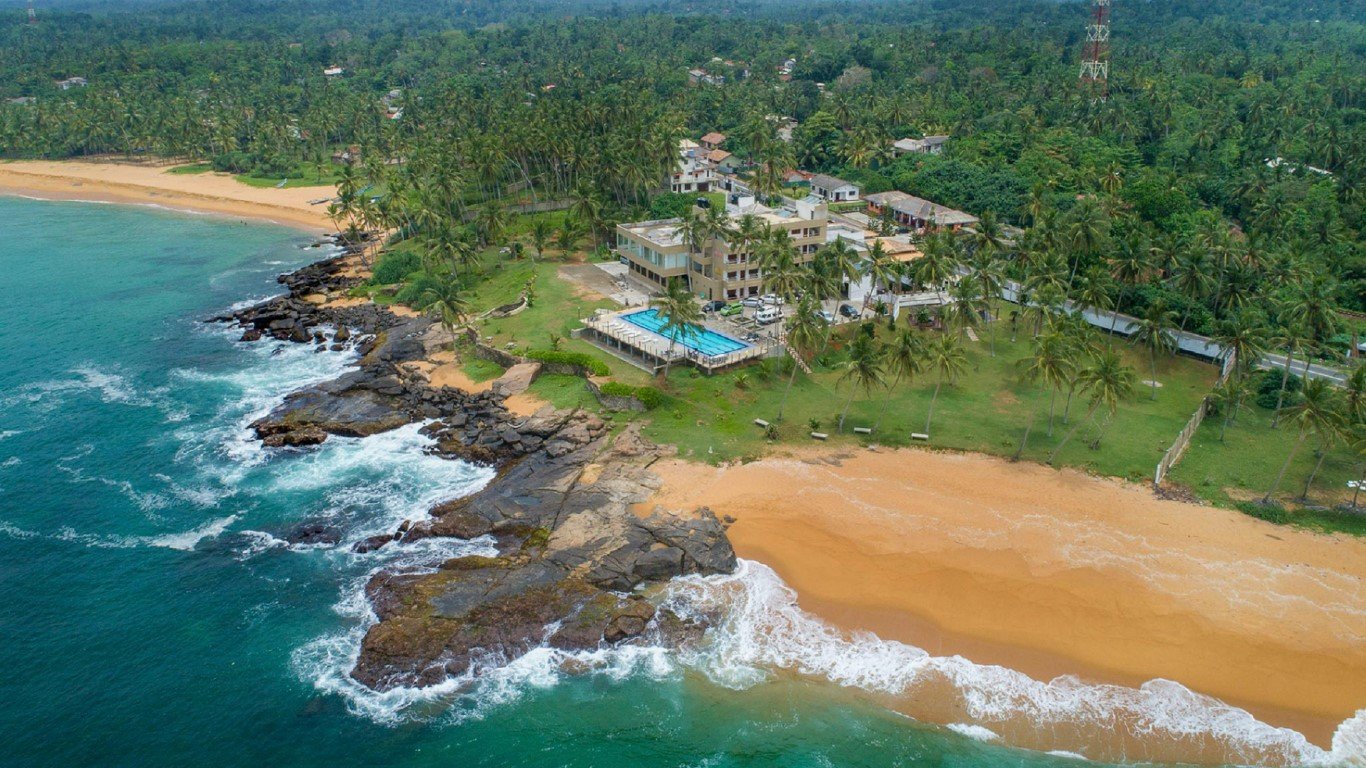
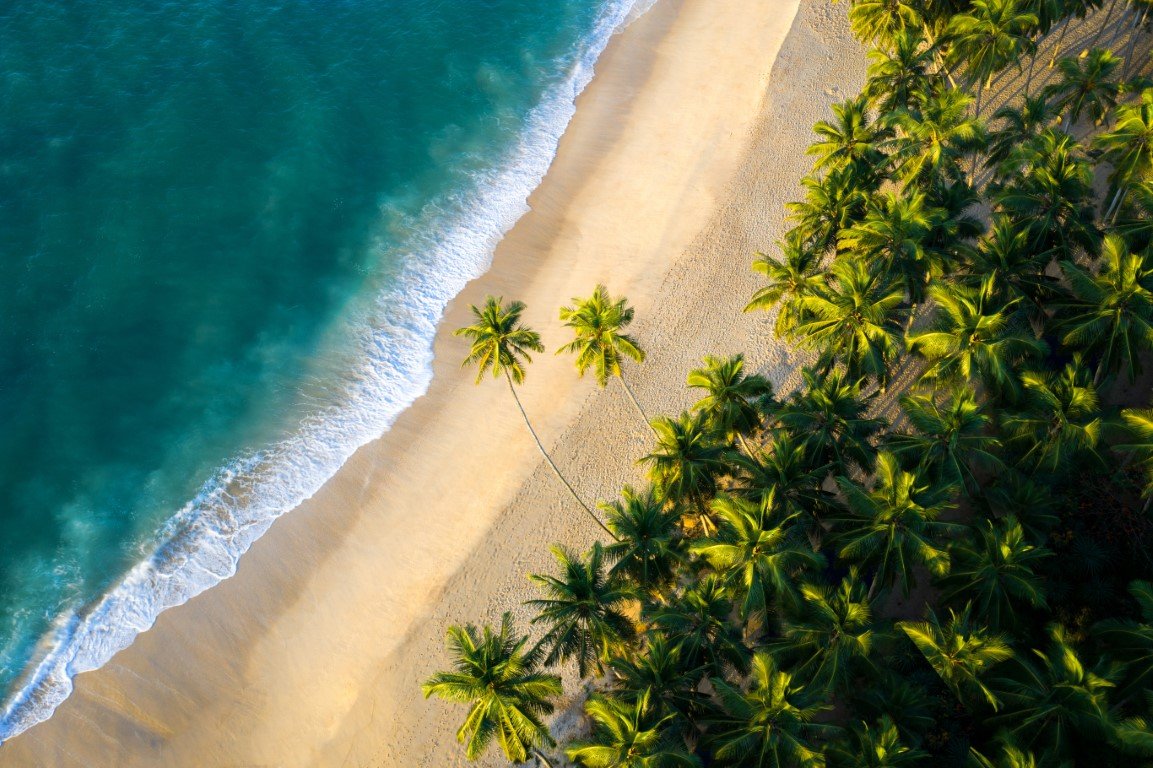
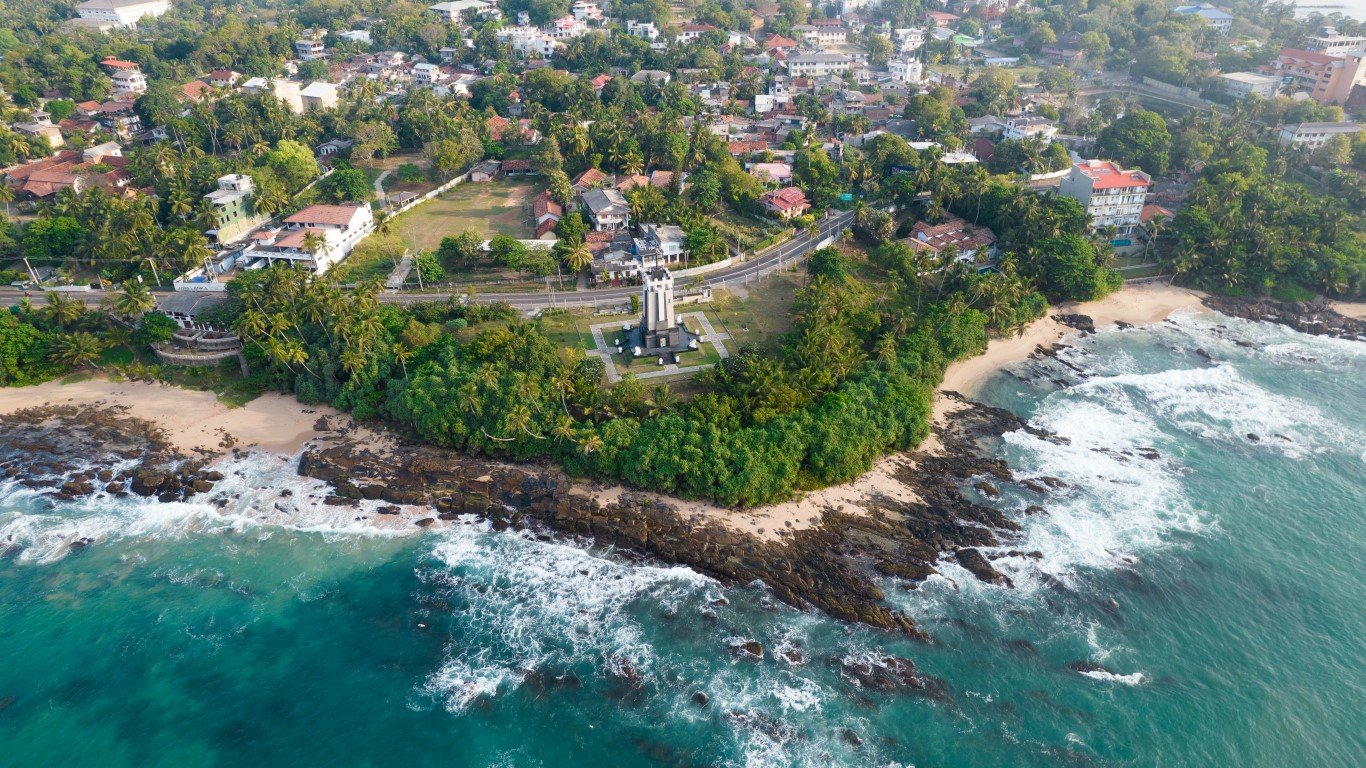
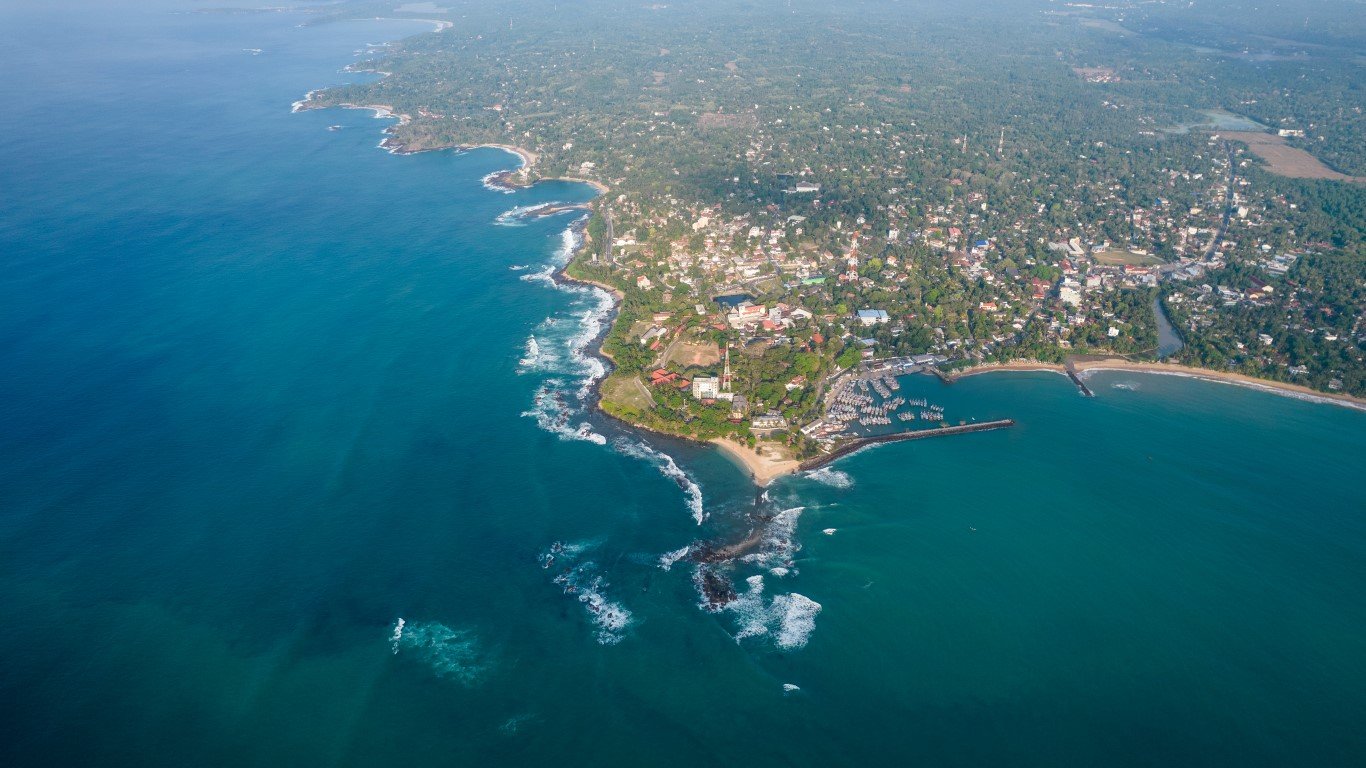
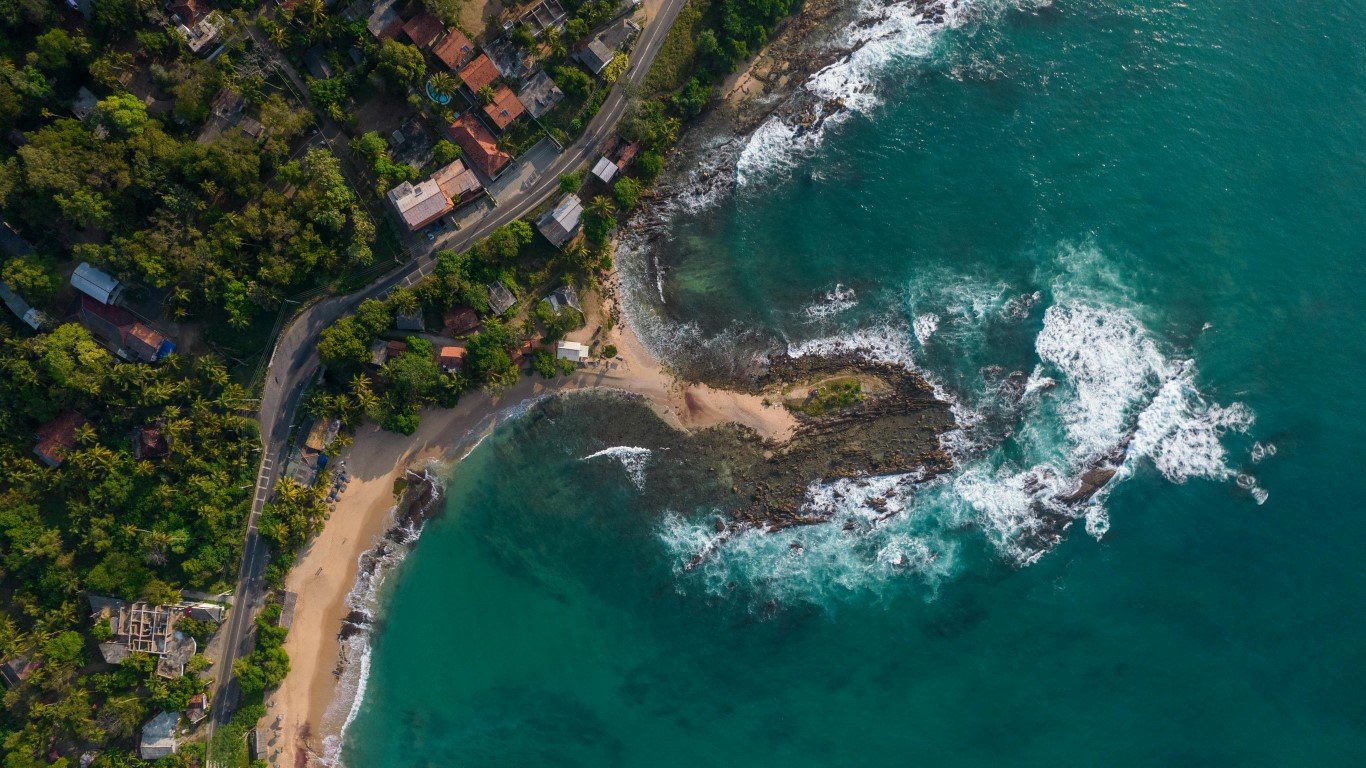
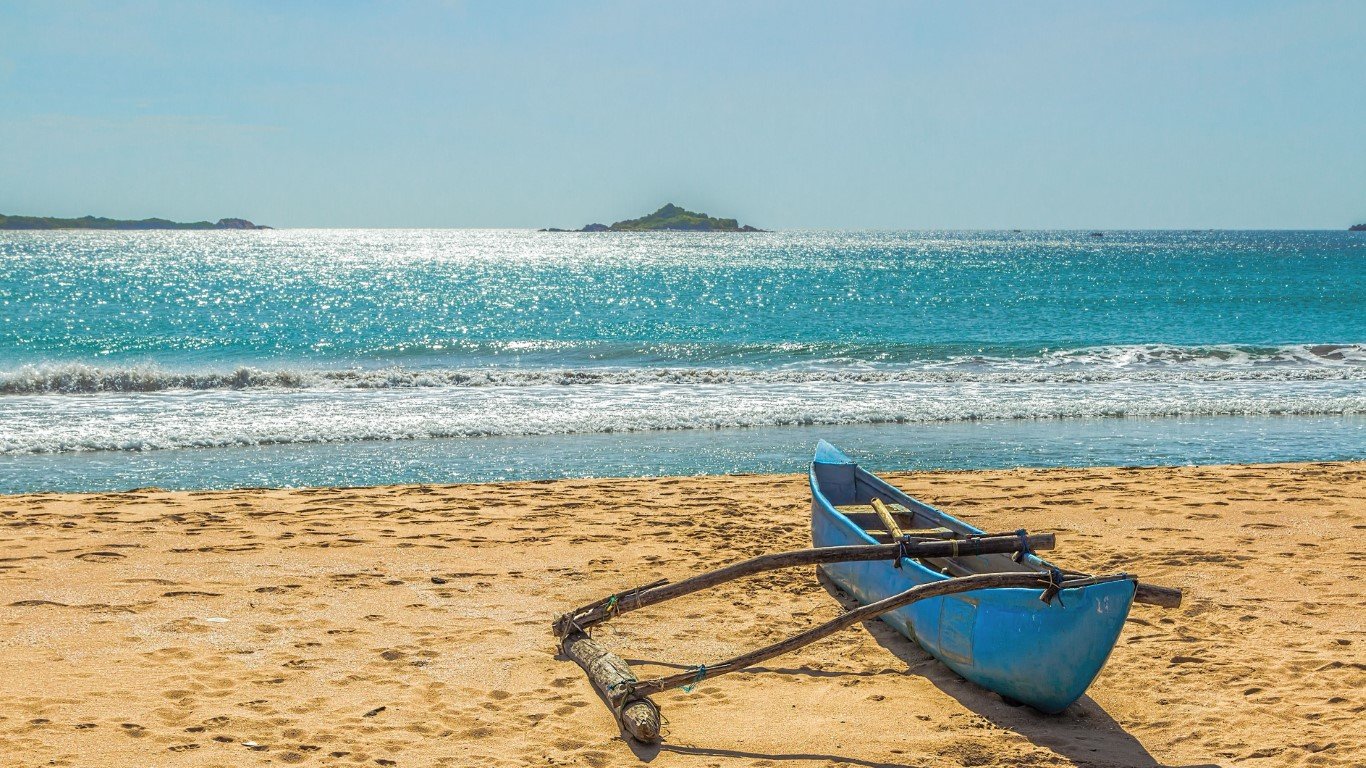
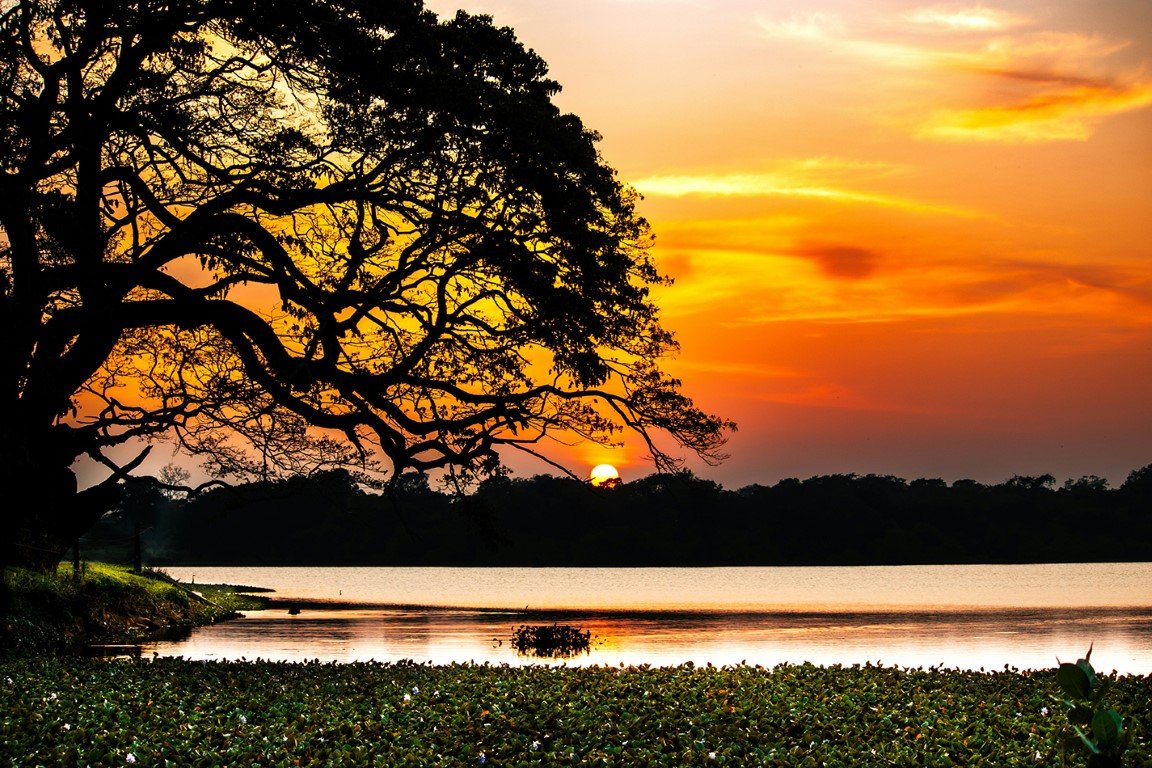
Sri Lanka’s coastline is not a single story but a collection of shifting moods shaped by monsoons, tides and centuries of history. The western and southern shores glow with sunset-colored evenings and lively beach towns, while the east and north open up to quieter lagoons and powdery sands where the sun rises over the Indian Ocean. Here, fishermen still set sail in outrigger canoes at dawn, colonial forts stand guard over the waves, and coral reefs host a kaleidoscope of marine life. To walk the island’s coast is to discover more than beauty; it is to glimpse how nature, culture and history intertwine in every curve of the shore.
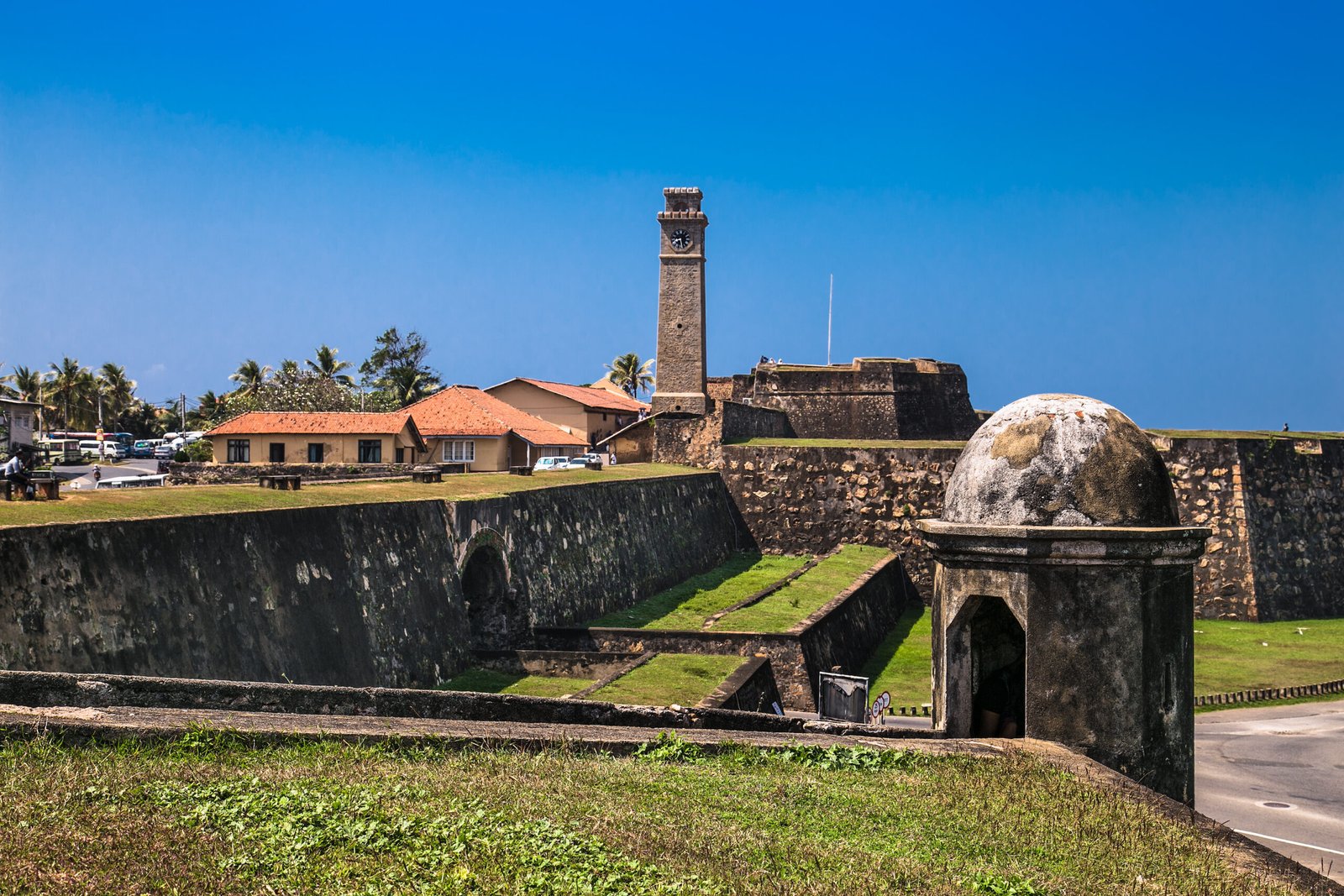
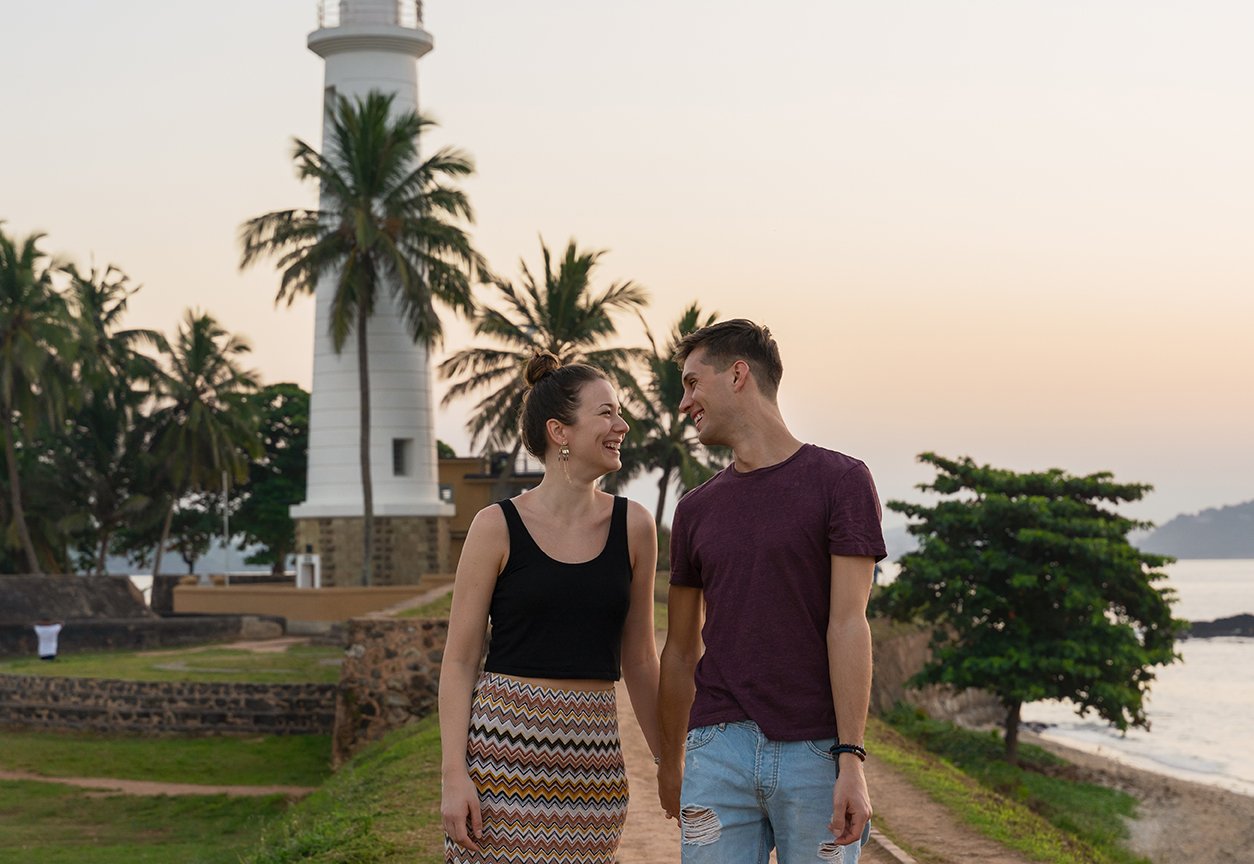
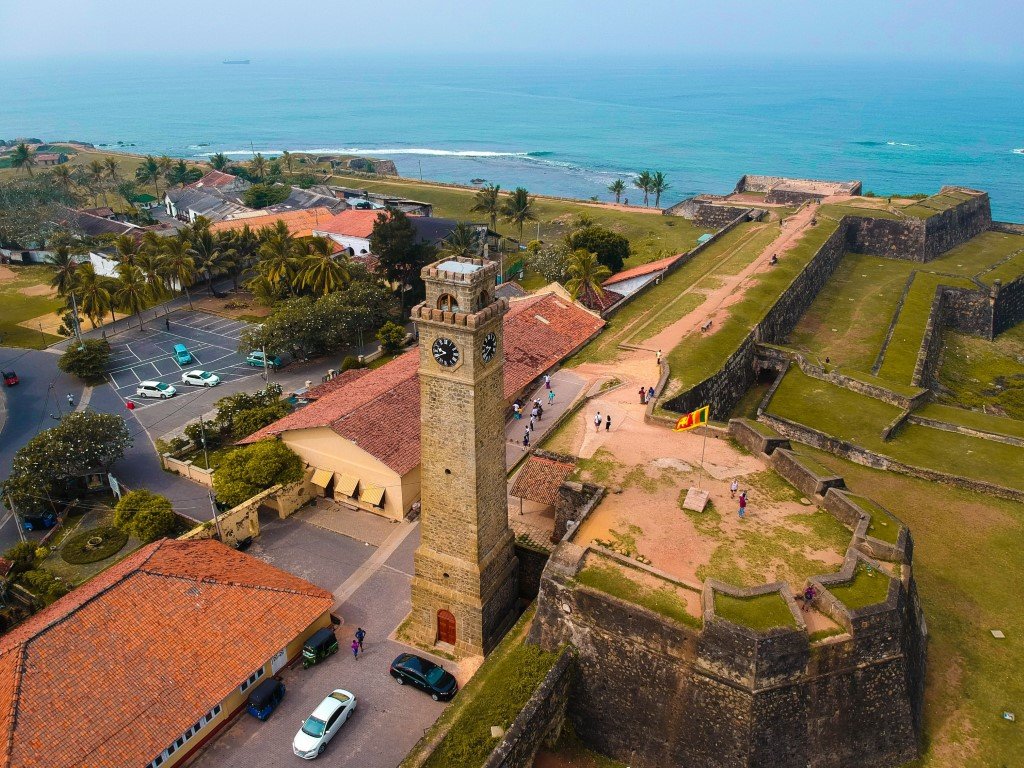
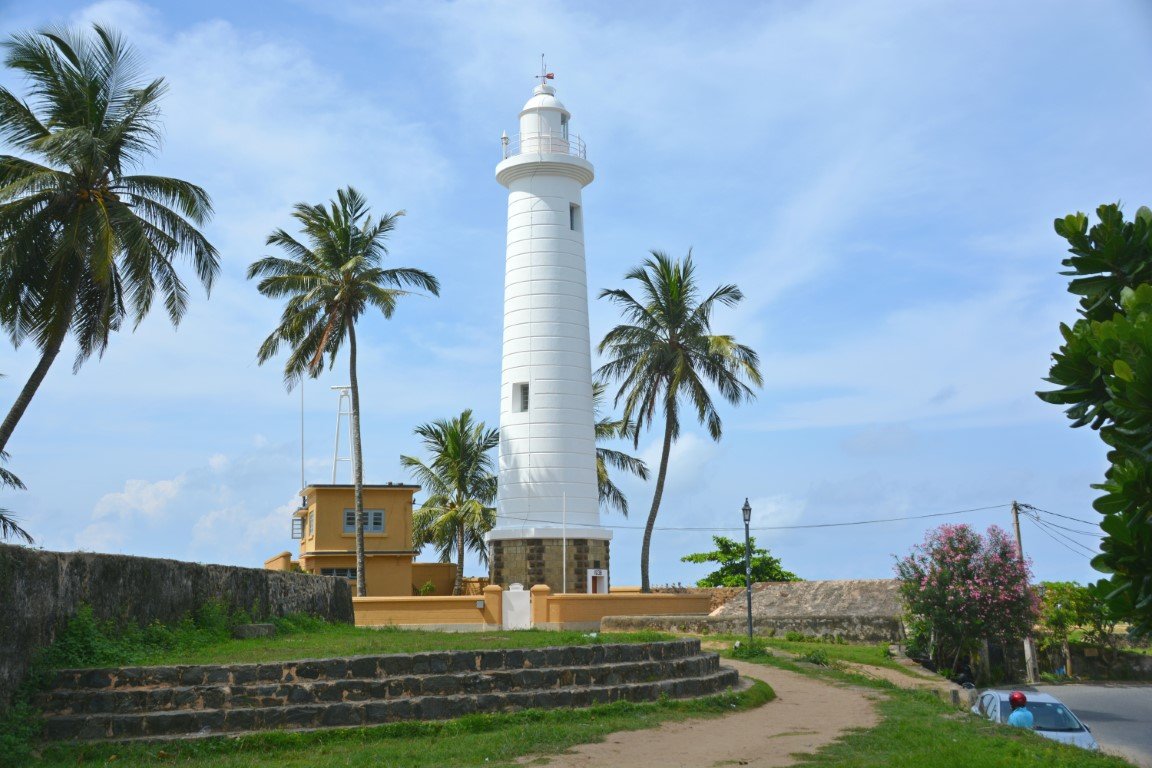
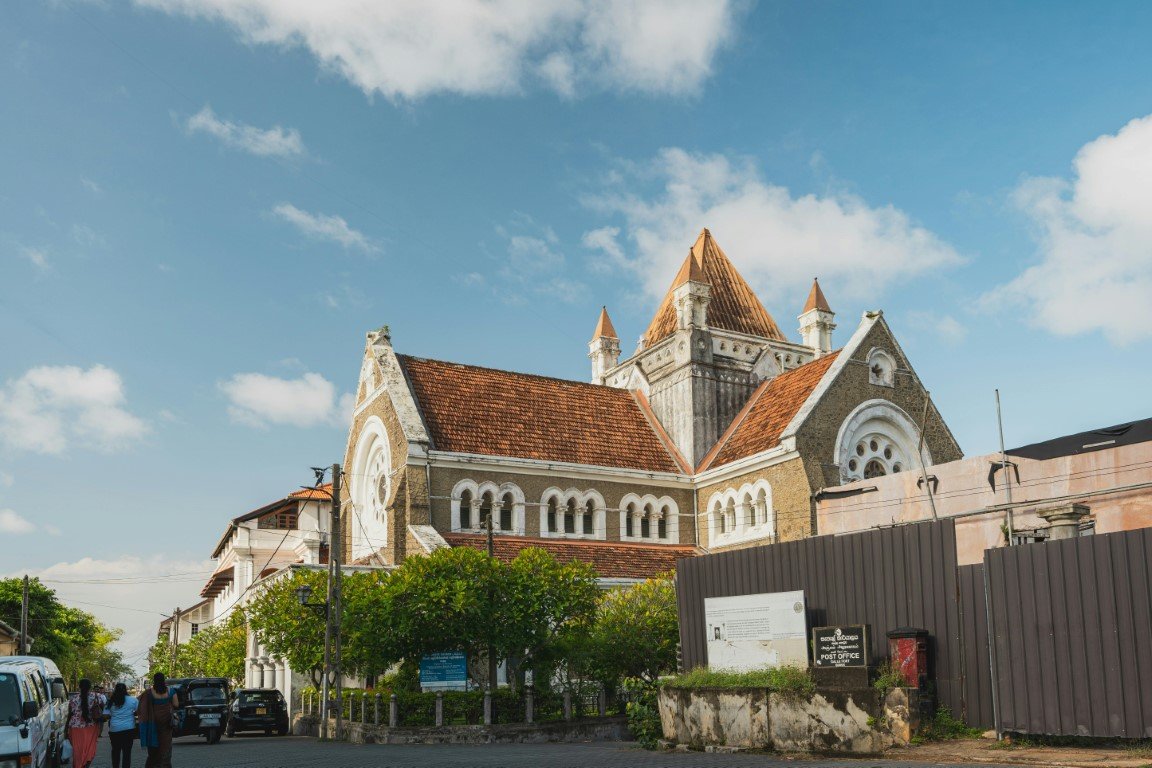
Galle is not just a fort city but a palimpsest of empires. First shaped by the Portuguese in the 16th century and perfected by the Dutch in the 17th century, its ramparts still shield a living community where churches, mosques and temples coexist within a UNESCO heritage site. Beyond its cobbled lanes of art galleries and colonial villas, Galle is also a gateway to nearby spice plantations and cinnamon estates that once fueled the city’s global significance. The ocean outside the fort walls has long been a harbour for traders, a reminder that Galle’s spirit has always been both Sri Lankan and cosmopolitan.
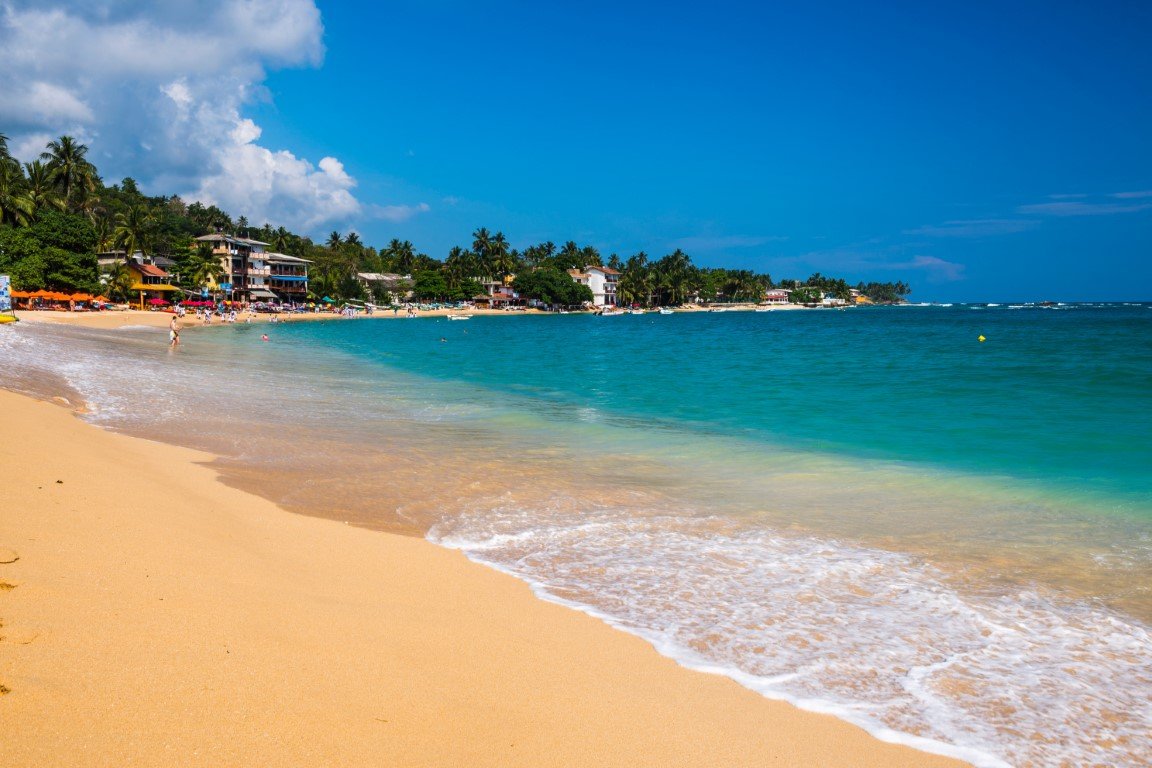
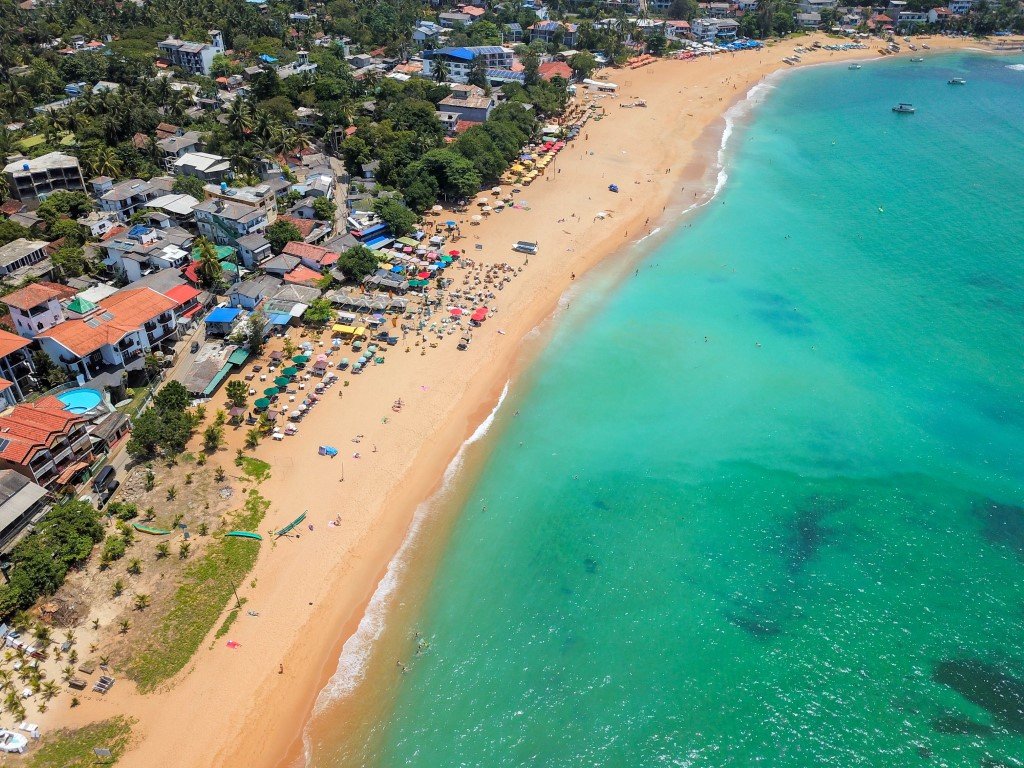
Unawatuna’s crescent bay is more than a postcard beach. Once believed to be a protected coral sanctuary, its reef suffered from overuse but is now slowly reviving, making it an important case study in conservation. Inland, the Rumassala hill rises with legends from the Ramayana epic and is home to rare medicinal plants. At sunset, Unawatuna transforms into a blend of lantern-lit cafés and music-filled bars offering travellers both folklore and festivity in one sweep of sand.
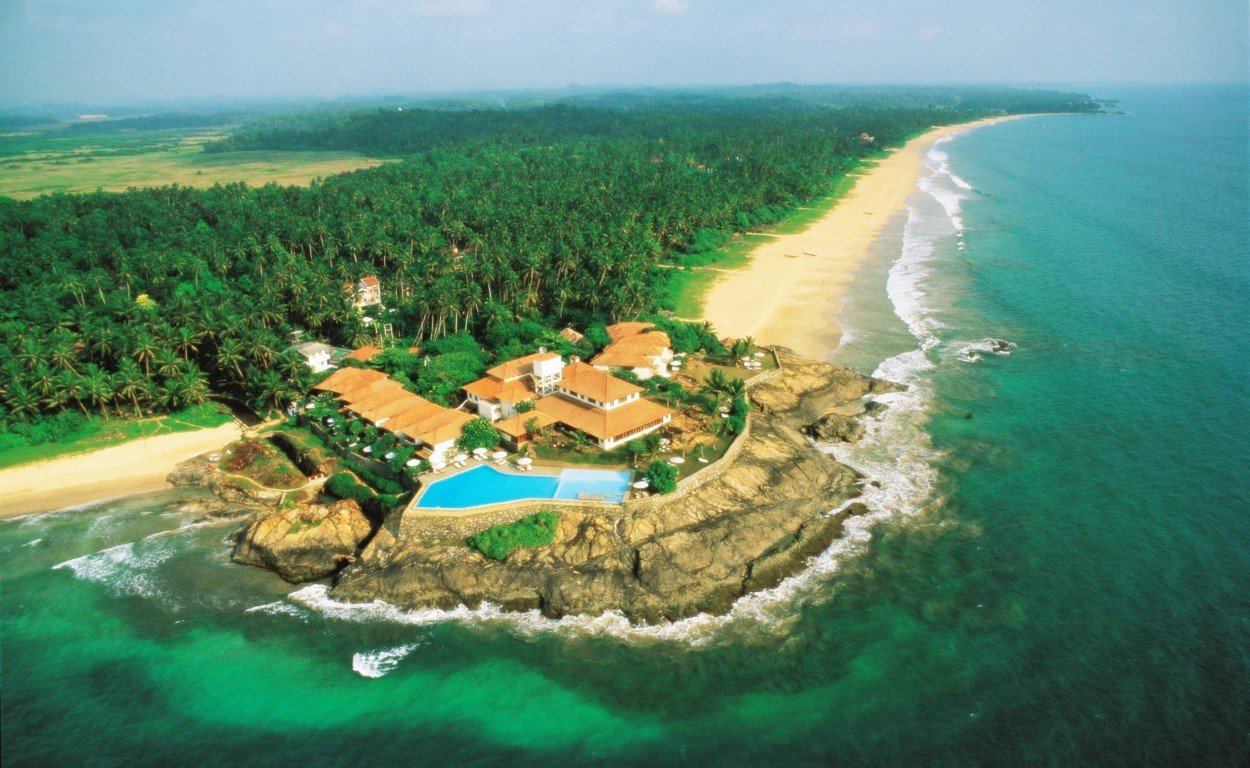
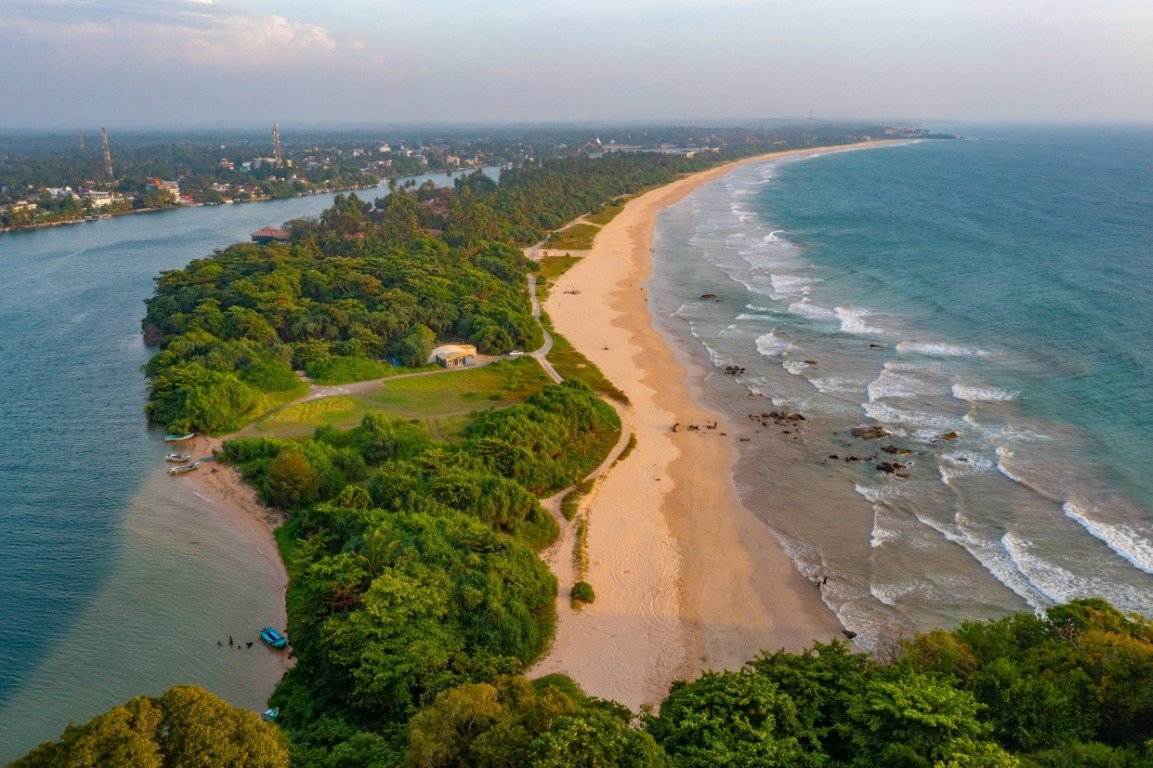
Bentota lies at the meeting point of river and sea, creating a dual landscape of golden beach and emerald lagoon. It is where Geoffrey Bawa, Sri Lanka’s most celebrated architect, lived and worked at Lunuganga Estate, which remains open for visitors. The Bentara River nurtures mangroves that shelter birds and amphibians, and boat safaris here reveal a quieter world beneath the canopy. Water sports, from jet skiing to parasailing, add a lively counterpoint to its serene natural setting.
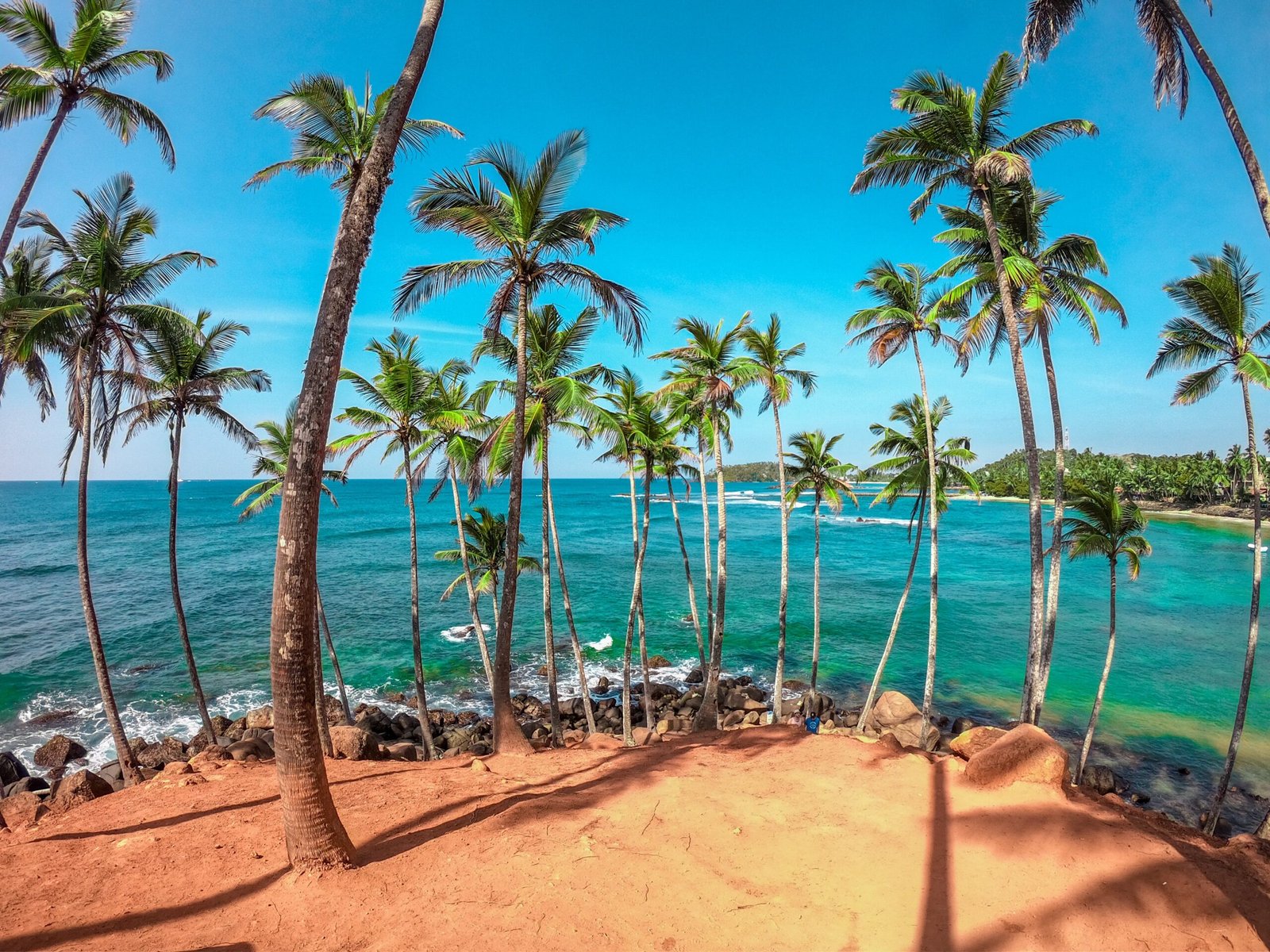
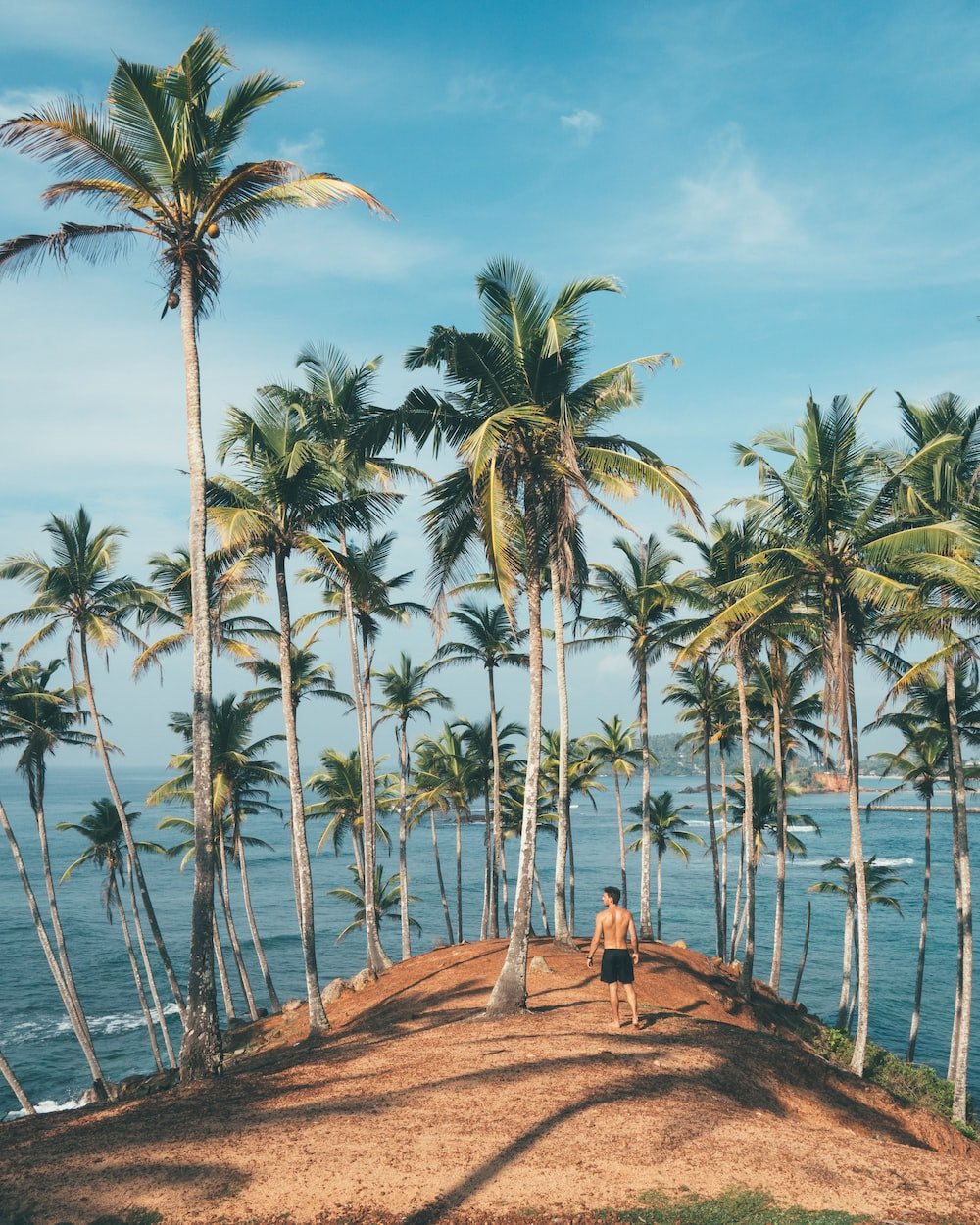
Mirissa is the beating heart of whale watching in Sri Lanka, one of the few places in the world where blue whales can be seen so close to shore. The coconut-fringed hill has become an iconic photo stop, yet the real charm lies in the mornings when fishermen haul in their catch and the harbour comes alive with activity. Mirissa’s nightlife is well-known, but its deeper allure is the sense of proximity to the ocean’s mysteries, where dolphins arc through the surf and whales glide in the deep.
Arugam Bay is synonymous with surfing; its “Main Point” is ranked among the top ten surf breaks globally. Few visitors realise it also serves as a threshold to the wild east, with Kumana National Park just an hour away, rich in migratory birds and elephants. The town itself carries a rhythm shaped by both Tamil and Muslim communities, where prayer calls rise above surfboard-lined streets. Away from the waves, nearby lagoons reflect a quieter side of this frontier town.
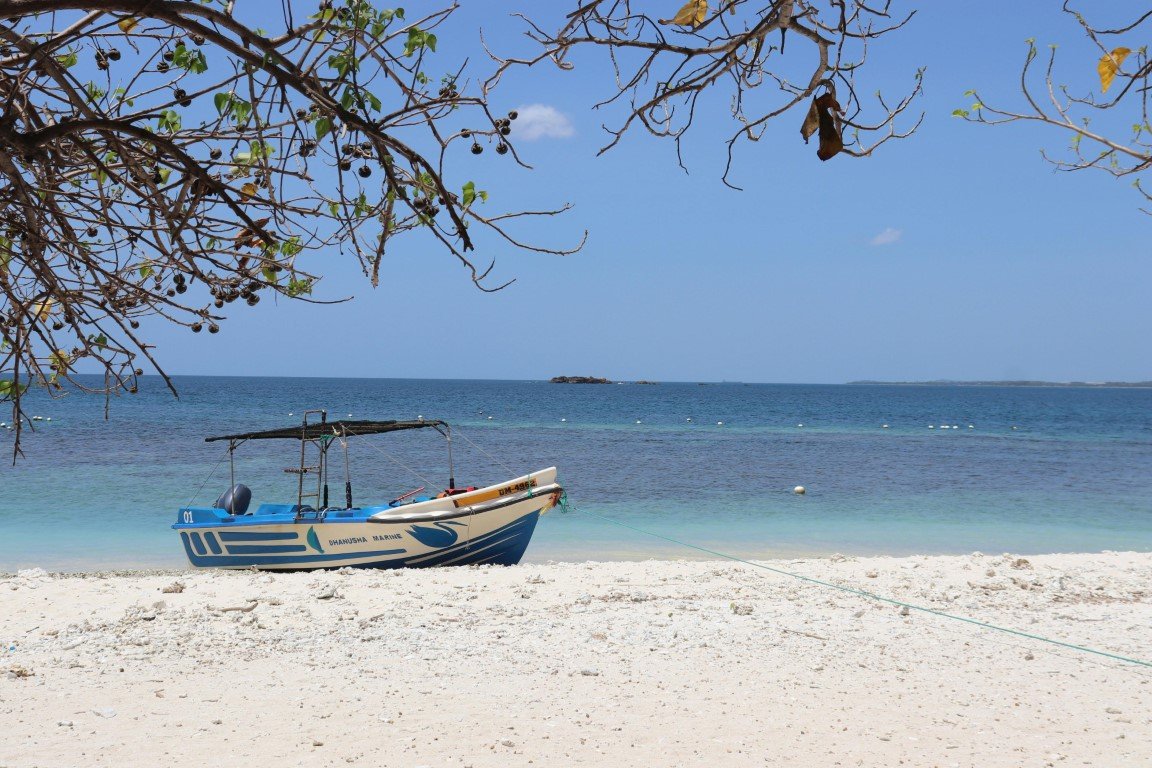
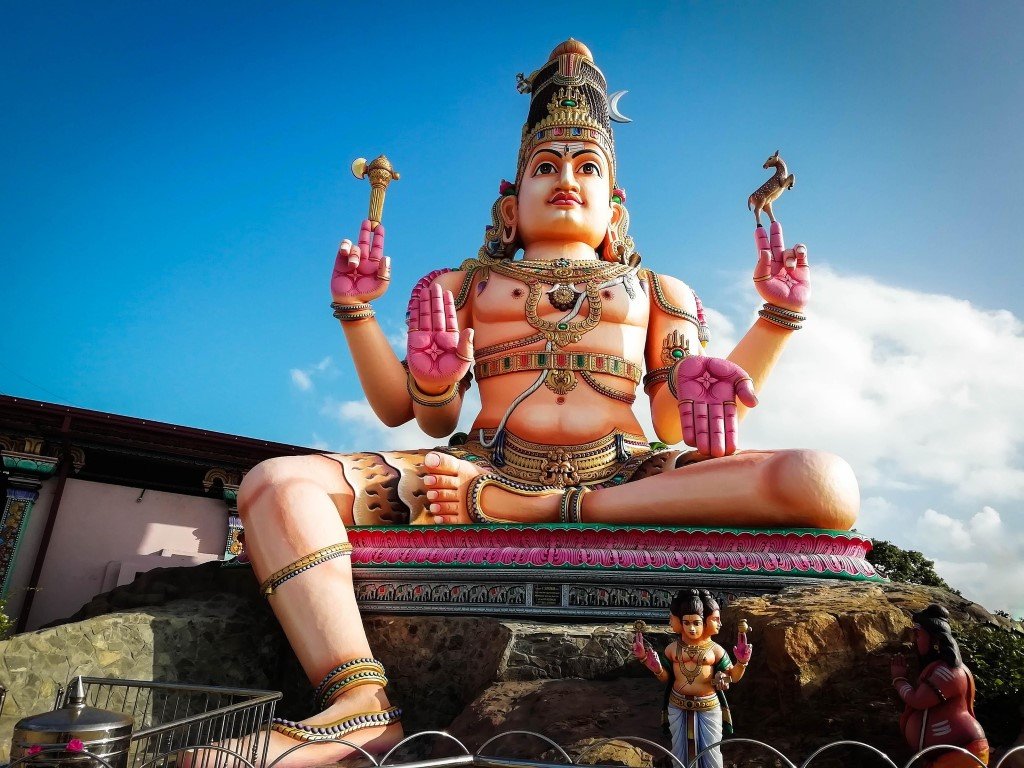
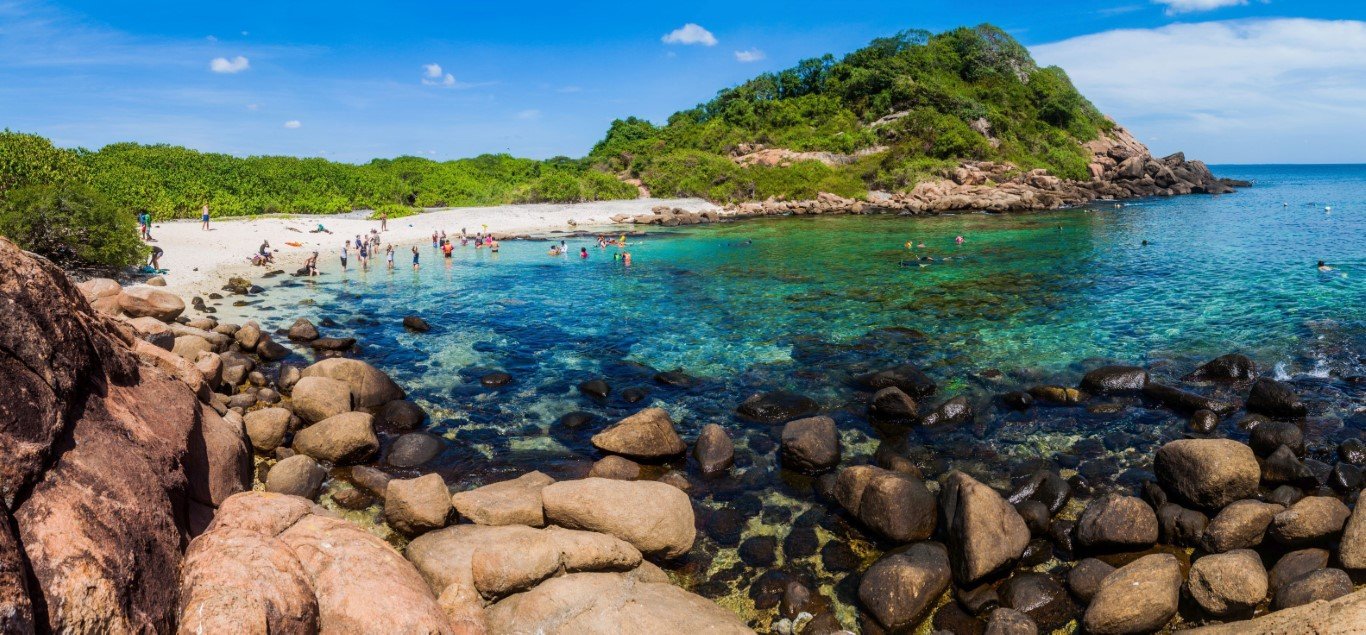
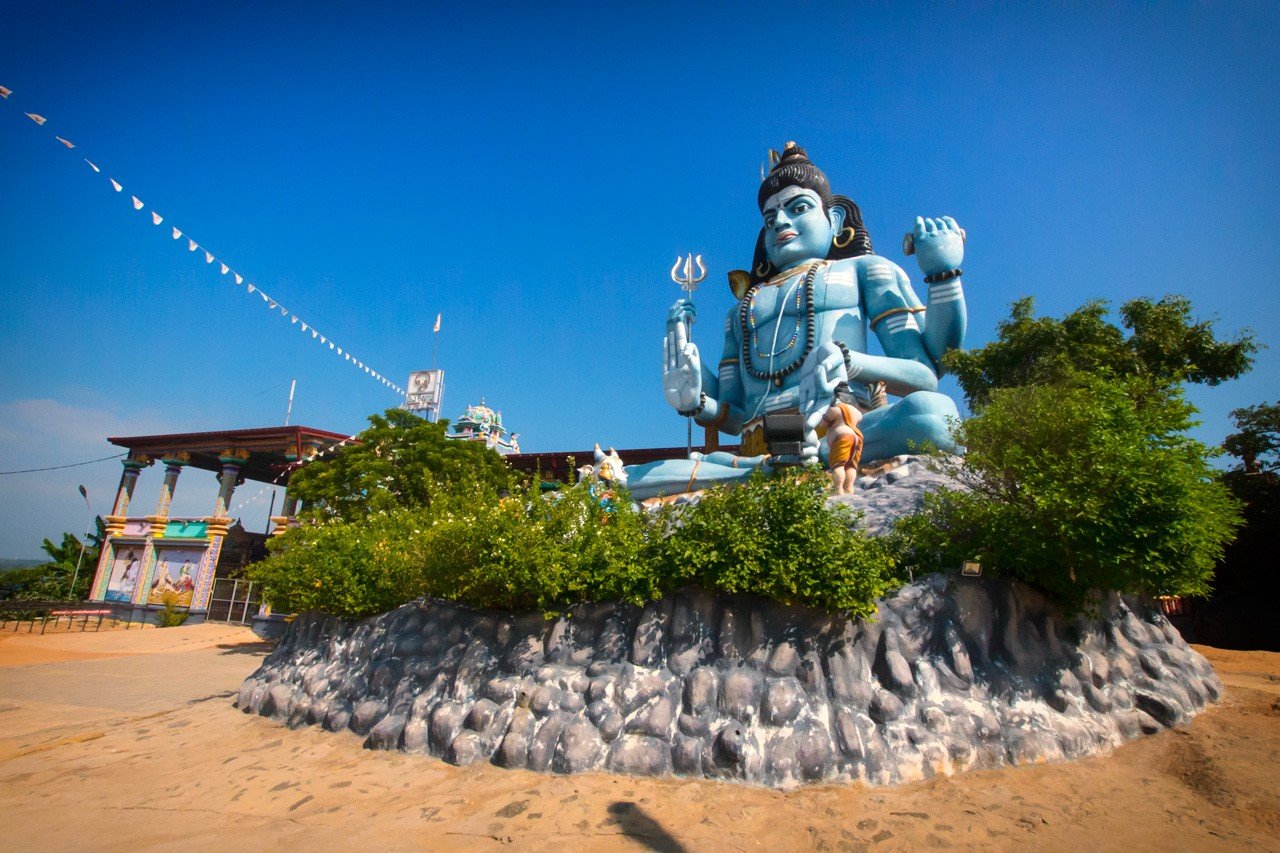
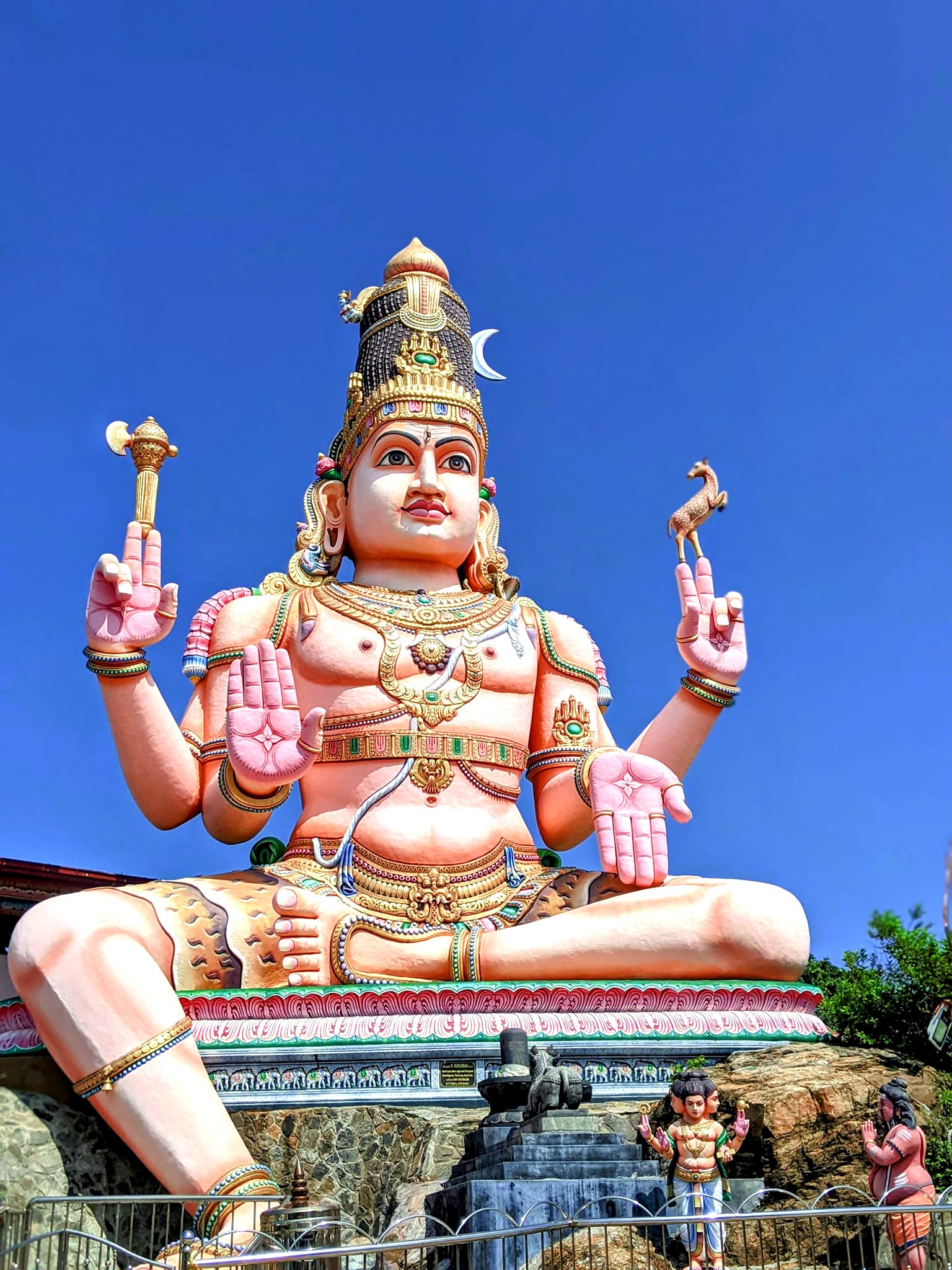
Trincomalee has been prized for its deep-water harbour since ancient times, coveted by Chola kings, colonial powers and naval fleets. Its Koneswaram Temple, perched on a cliff, has been a site of pilgrimage for centuries, blending myth with breathtaking seascapes. Offshore, Pigeon Island shelters blacktip reef sharks and coral gardens, making it one of the island’s most important marine reserves. Beyond the beaches, Trinco reveals layers of history that most travellers only glimpse in passing.
Passikudah’s bay is famed for its shallow gradient, where children can walk far into the sea without the water rising above their shoulders. Once devastated during the civil conflict, the area has since emerged as a symbol of renewal, now lined with resorts yet still retaining its glasslike calm. Its reef and lagoon support seagrass beds that are crucial to dugongs, a rare marine mammal that survives in Sri Lankan waters. Few travellers know that this serene beach is part of a fragile but vital ecosystem.
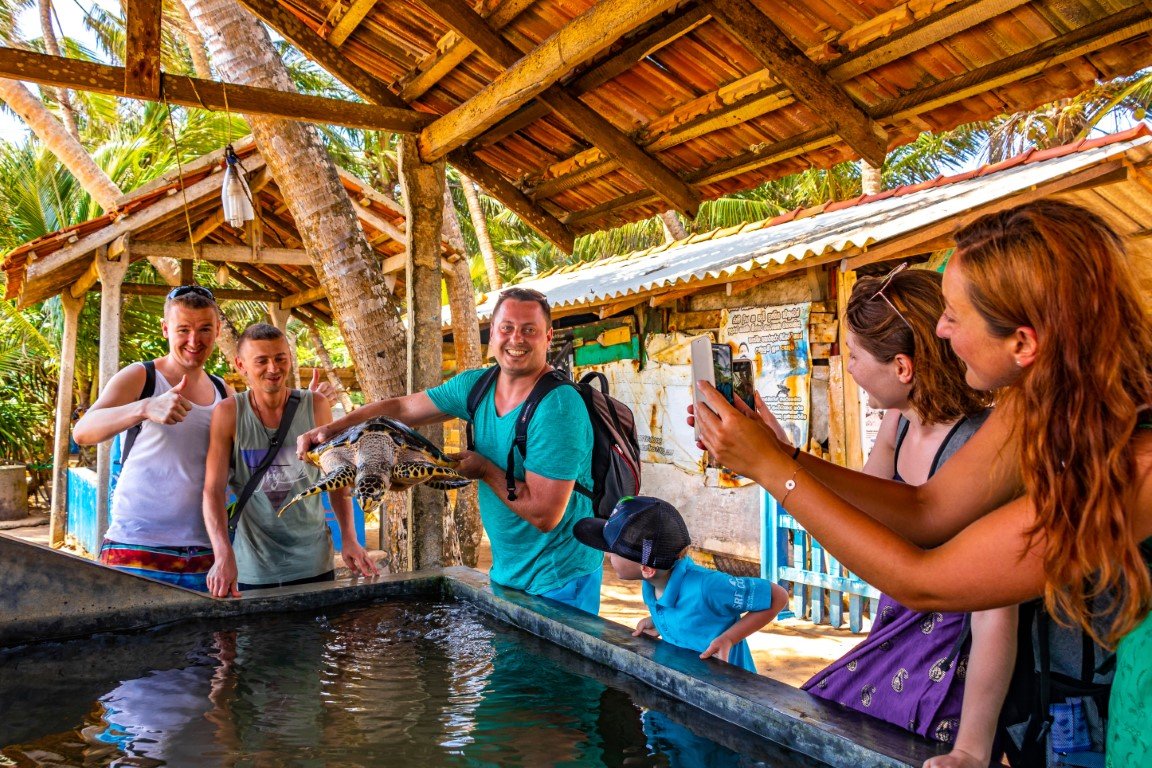
Hikkaduwa was one of the earliest beach towns to open to tourism in the 1970s, shaping the island’s surf and backpacker culture. Its coral sanctuary, though damaged by climate and human impact, remains a living classroom for marine conservation. Inland cinnamon plantations supply the spice that once drew traders to this coast. Today, Hikkaduwa is a mix of surf shacks, turtle hatcheries and vibrant nightlife where the spirit of the old hippie trail lingers alongside new energy.
Tangalle’s broad beaches feel untamed, often nearly empty, stretching into hidden coves where waves break against rocky headlands. The area is known for turtle nesting, particularly at Rekawa beach, where conservation projects protect hatchlings as they return to the sea. Inland Tangalle is linked to Mulkirigala Rock Temple, an ancient monastery carved into cliffs with murals that rival those of Dambulla. The town is a place of both quiet reflection and cultural depth, away from the crowds of more famous beaches.
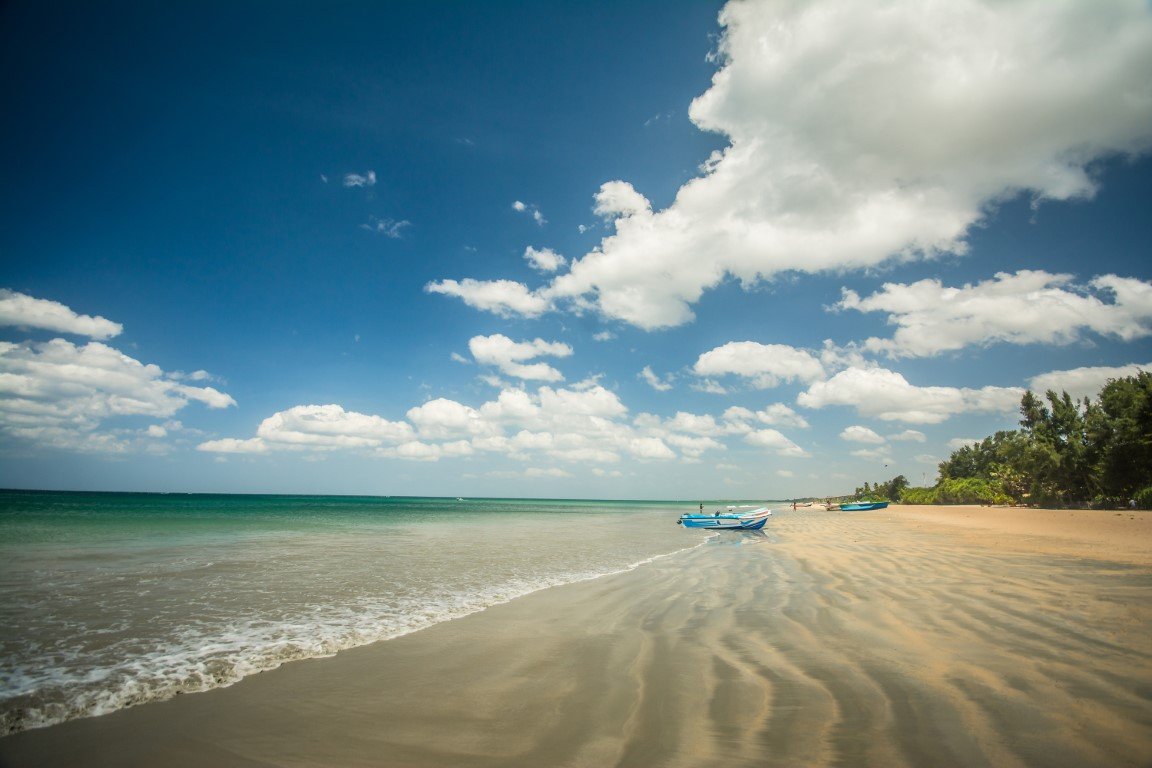
Nilaveli’s wide sands and calm sea make it one of the most serene stretches of the north-east coast. Boats from here carry visitors to Pigeon Island, one of the few marine national parks in Sri Lanka, where divers encounter reef sharks and corals bursting with colour. Nilaveli also carries echoes of Trincomalee’s layered history, its name itself meaning “open land of the moonshine.” For travellers seeking peace, Nilaveli offers the timeless rhythm of waves without distraction.
Sri Lanka’s cultural triangle is a realm where stone whispers, frescoes glow in the half-light, and ruins breathe with memory. These ancient cities and sacred sites are more than relics of a lost age; they are living testaments to the ingenuity of kings, artisans and monks who shaped a civilisation at the crossroads of Asia. From towering citadels to rock-hewn temples, each monument is both a record of the past and a mirror that reflects how history continues to shape the island’s identity today.
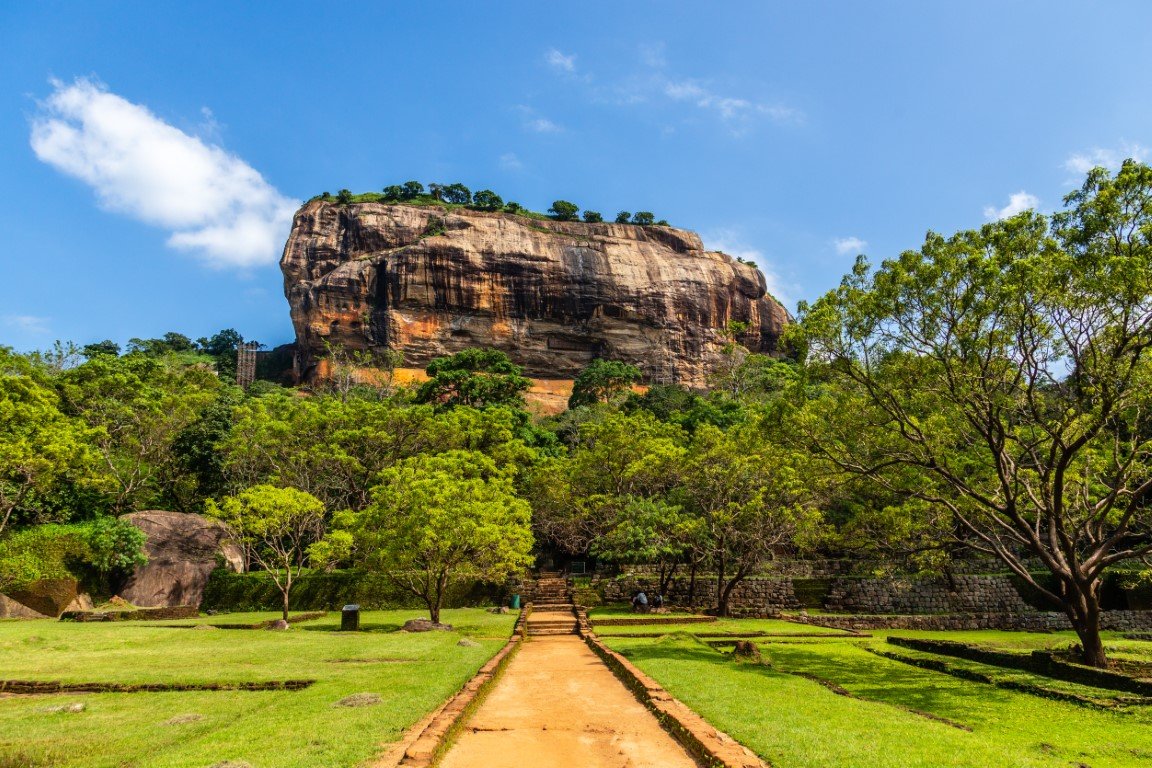
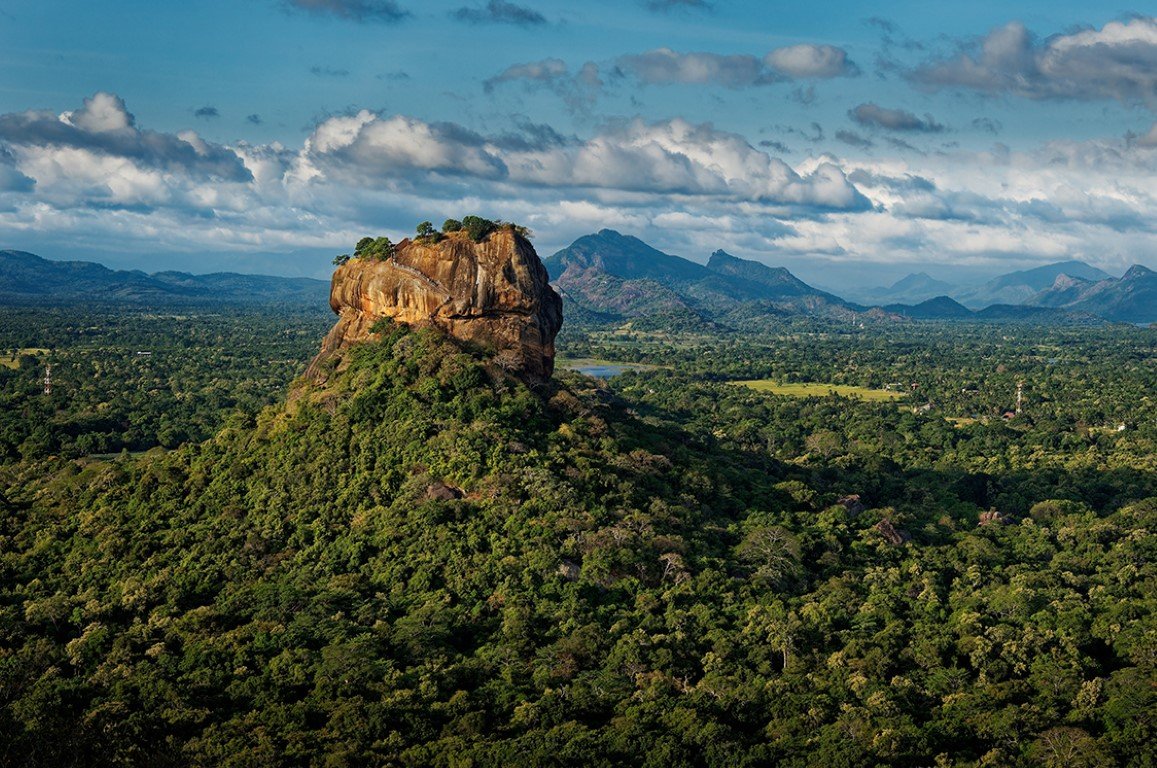
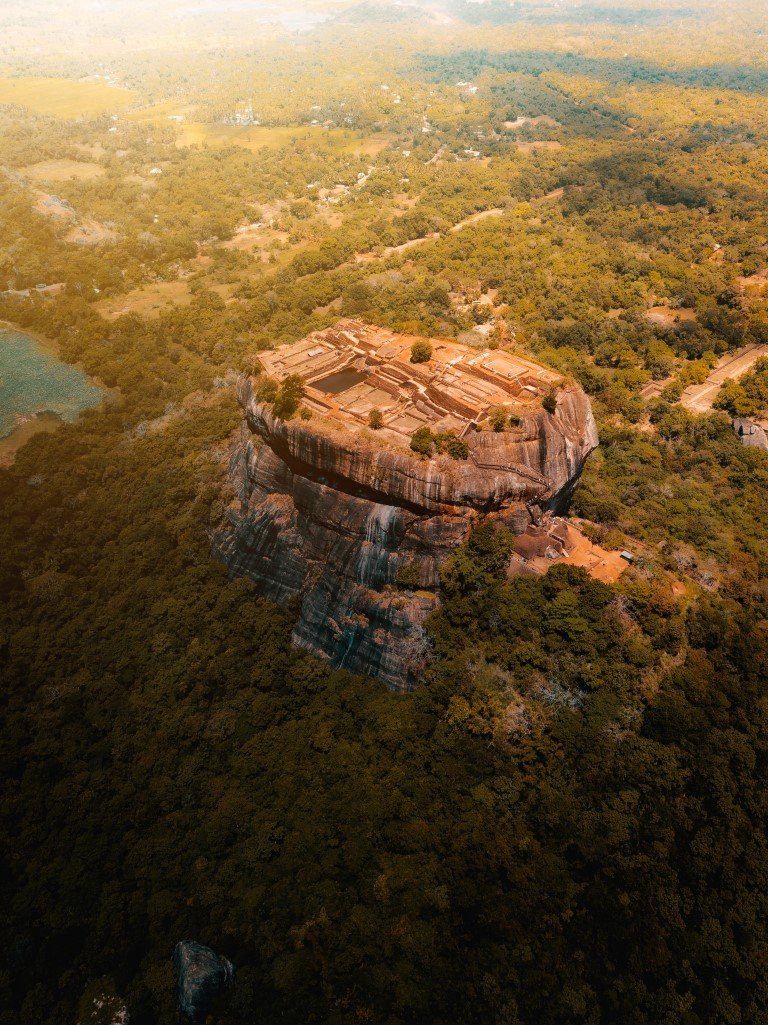
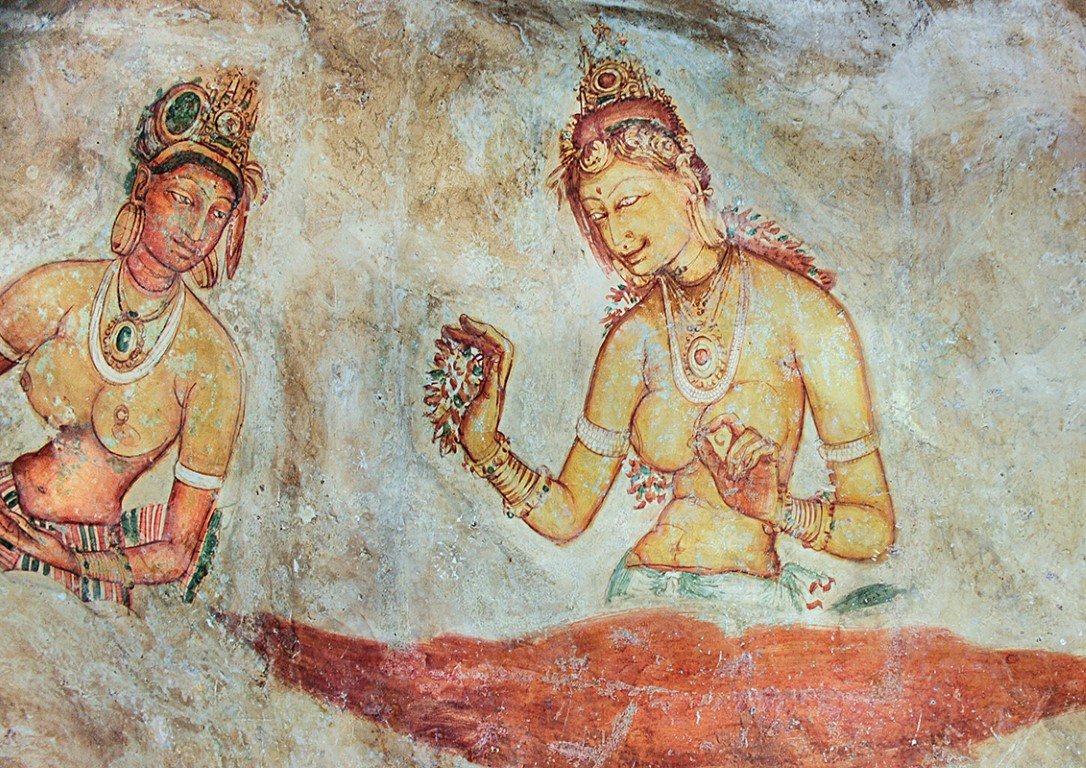
Sigiriya is not merely a rock fortress but a vision of power and artistry carved into stone. Rising nearly 200 meters above the plains, it was transformed in the 5th century by King Kashyapa into a citadel complete with gardens, frescoes and ingenious water systems that still function today. The famed “Cloud Maidens” murals reveal a sensitivity to beauty that contrasts with the fortress’s martial purpose, making Sigiriya a rare union of strength and grace. Climbing its stairways is to ascend through layers of history where legend and reality intertwine.
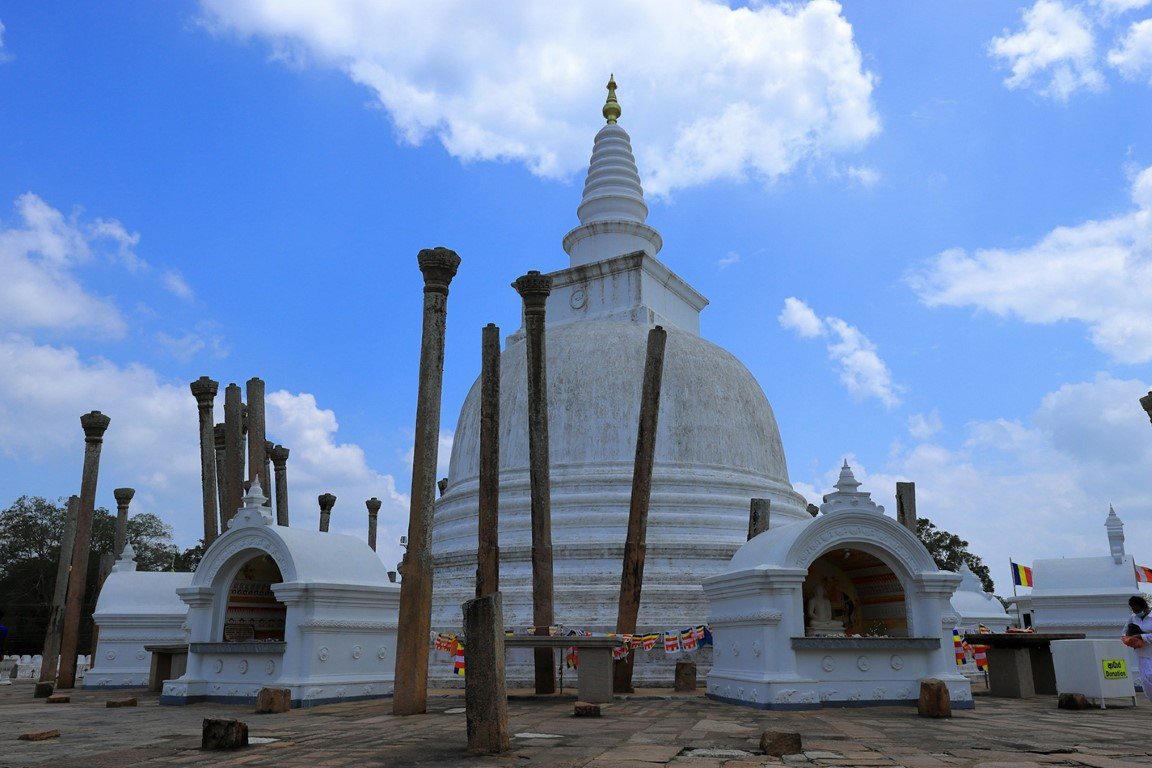
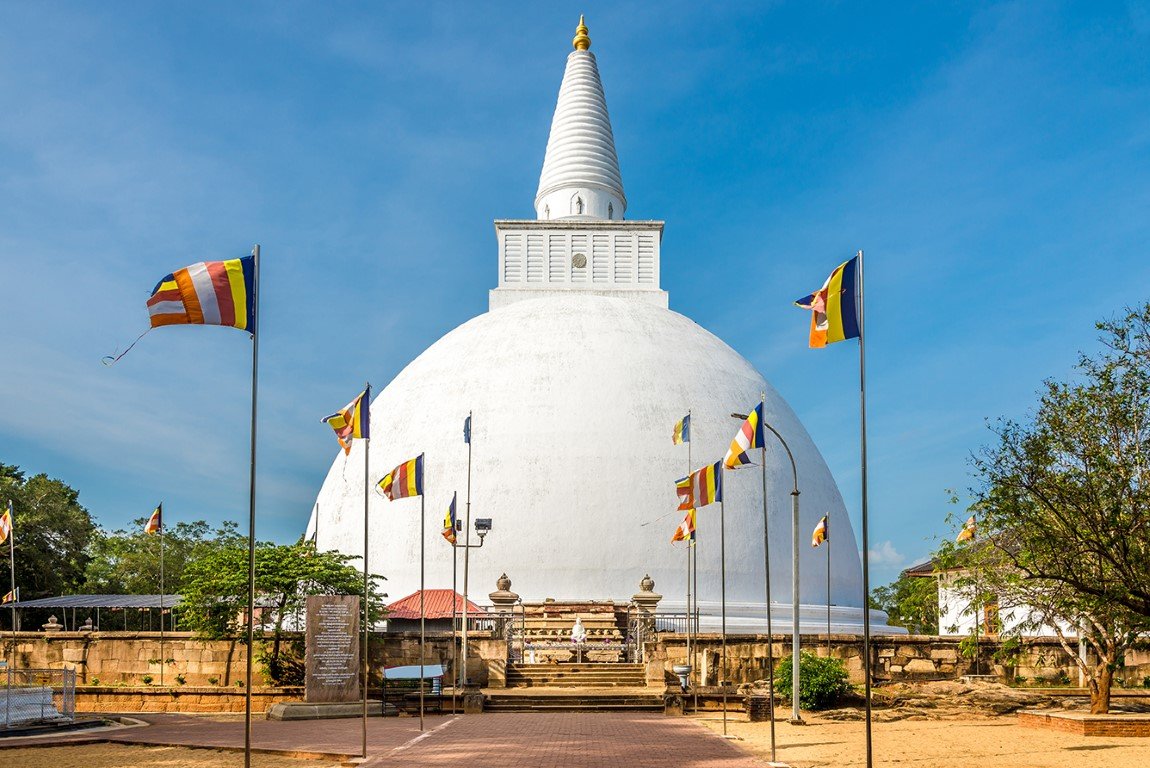
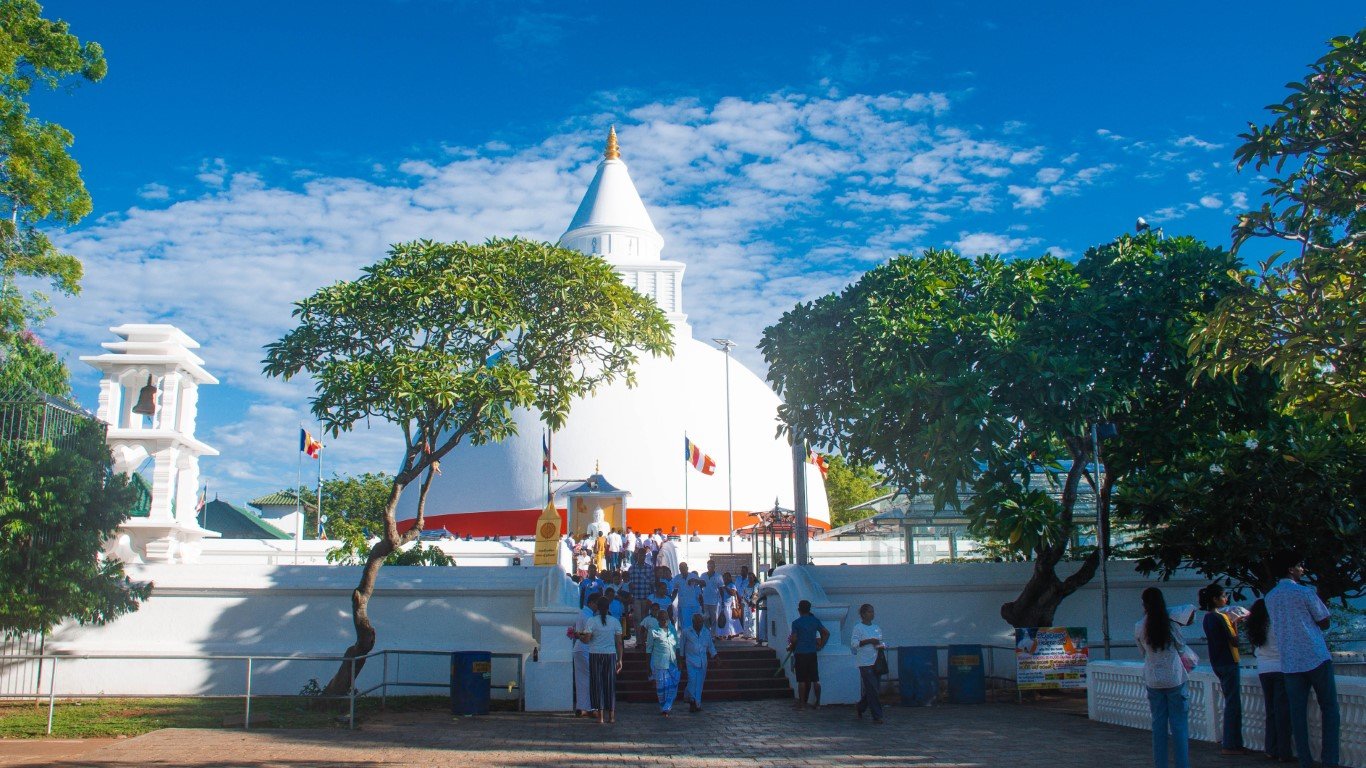
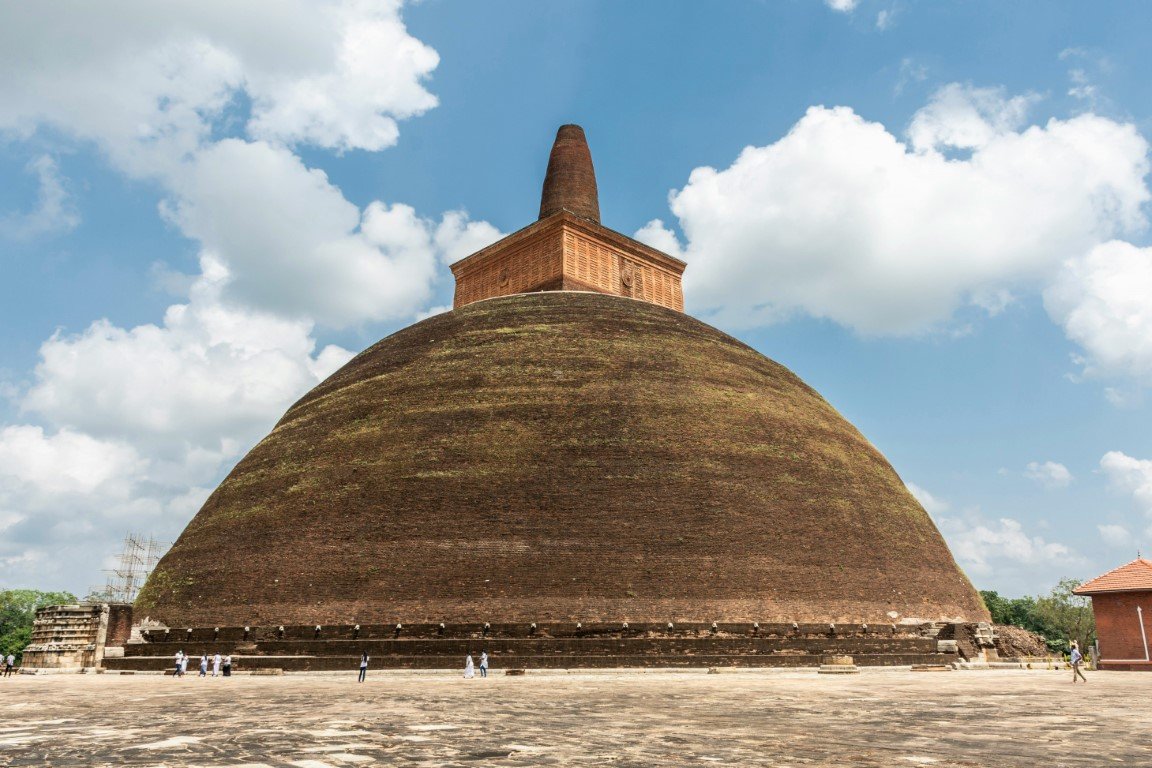
Anuradhapura was Sri Lanka’s first great capital, a city that flourished for more than a thousand years. Its vast dagobas, some larger than the pyramids in scale, stand as marvels of ancient engineering and devotion. The sacred Bodhi Tree, grown from a sapling of the original tree under which the Buddha attained enlightenment, has been tended for over two millennia, making it the oldest historically recorded tree in the world. To walk through Anuradhapura is to step into a city where religion, politics and everyday life once moved in seamless rhythm.
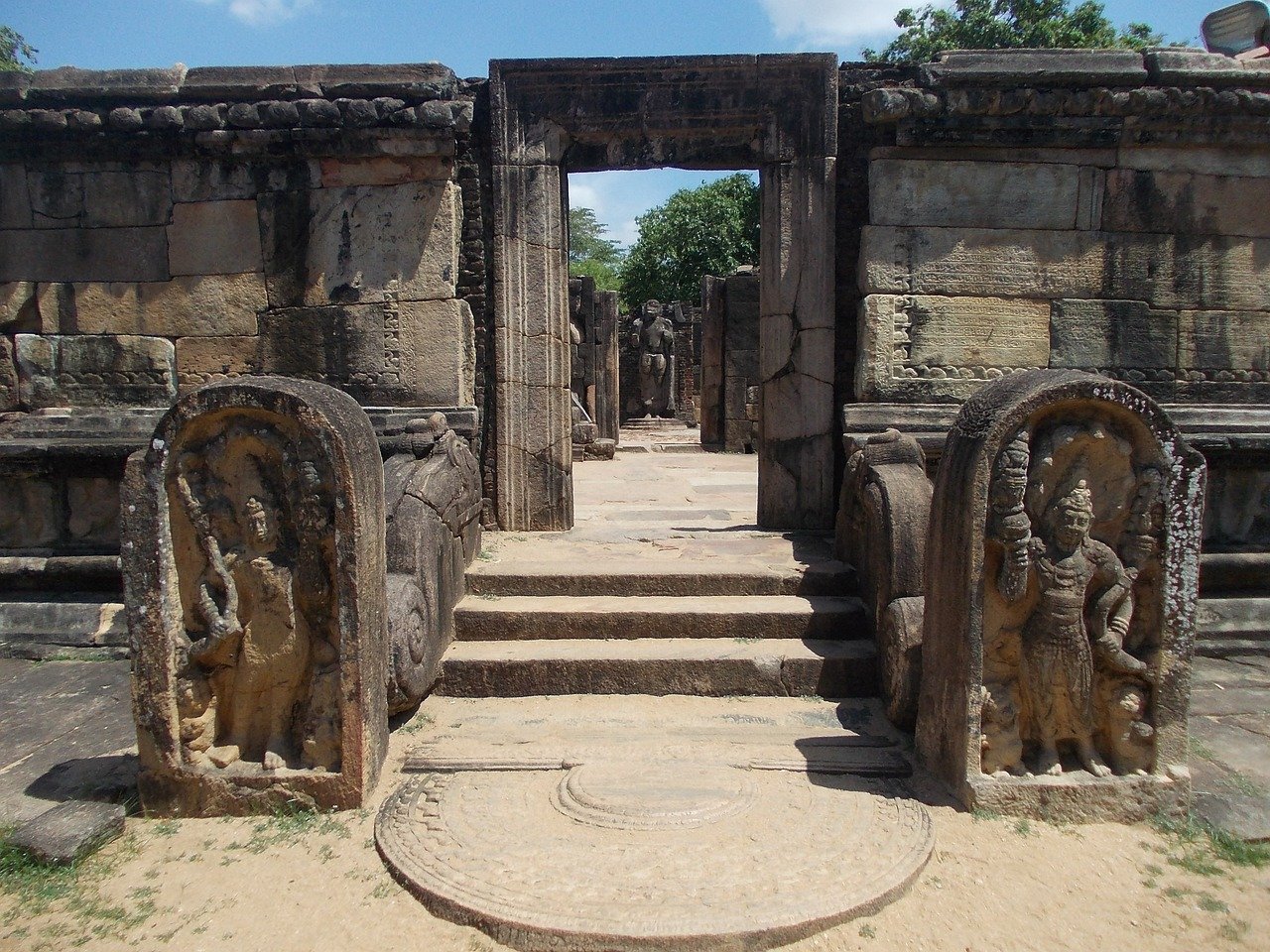
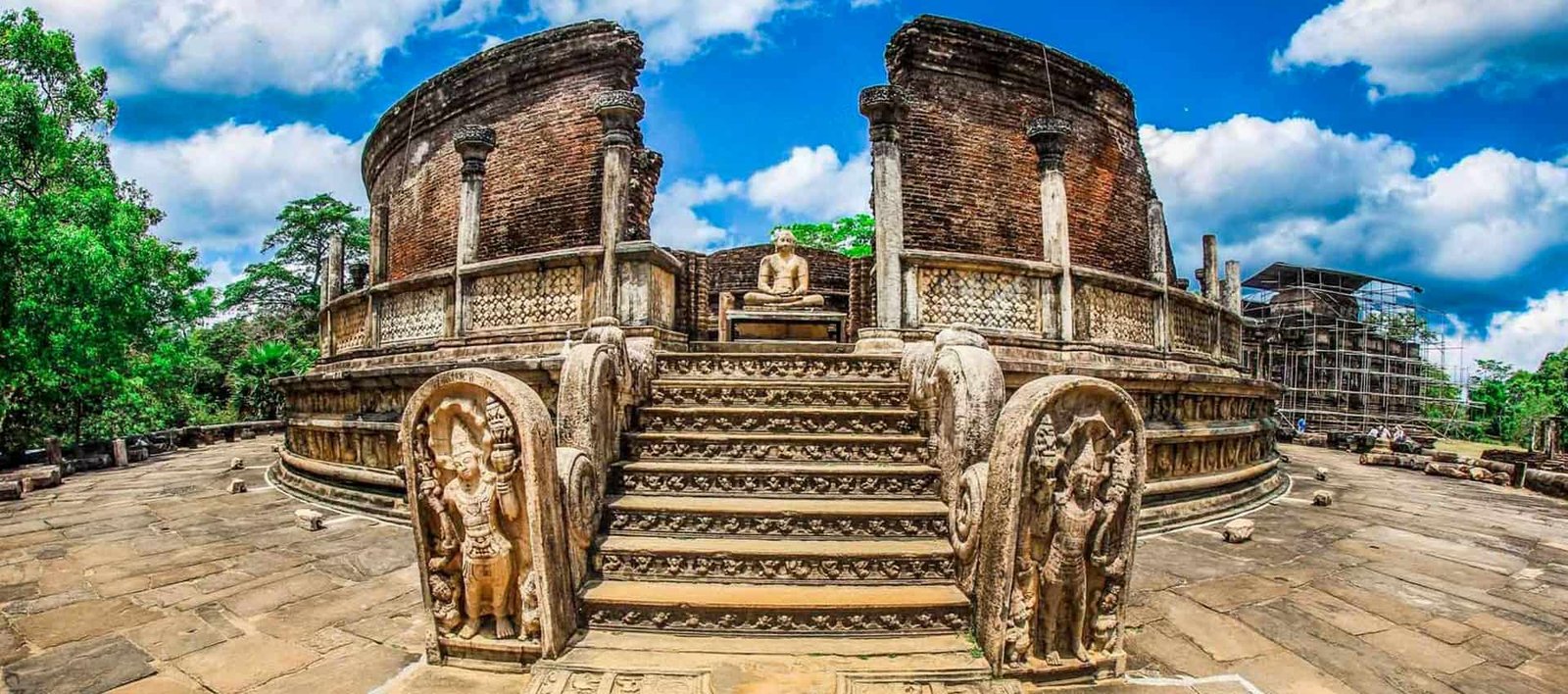
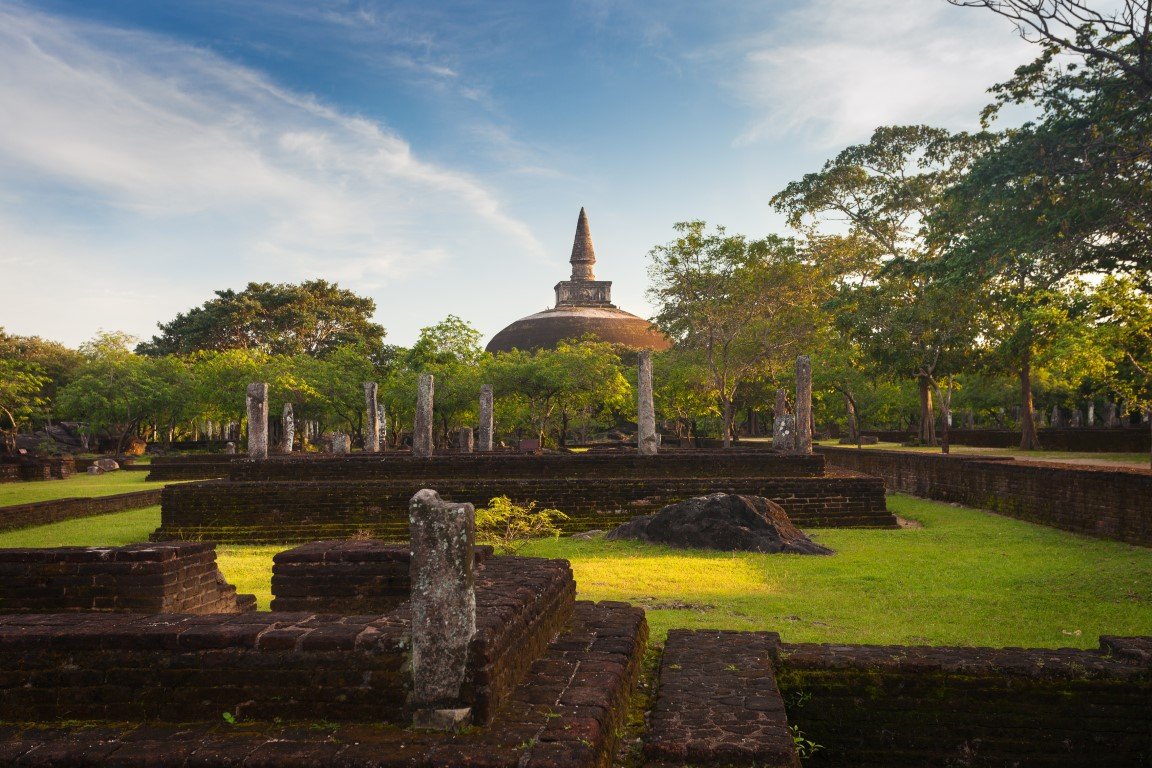
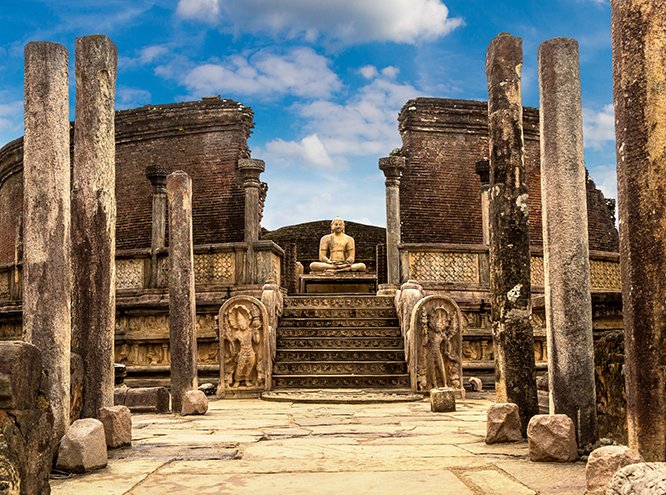
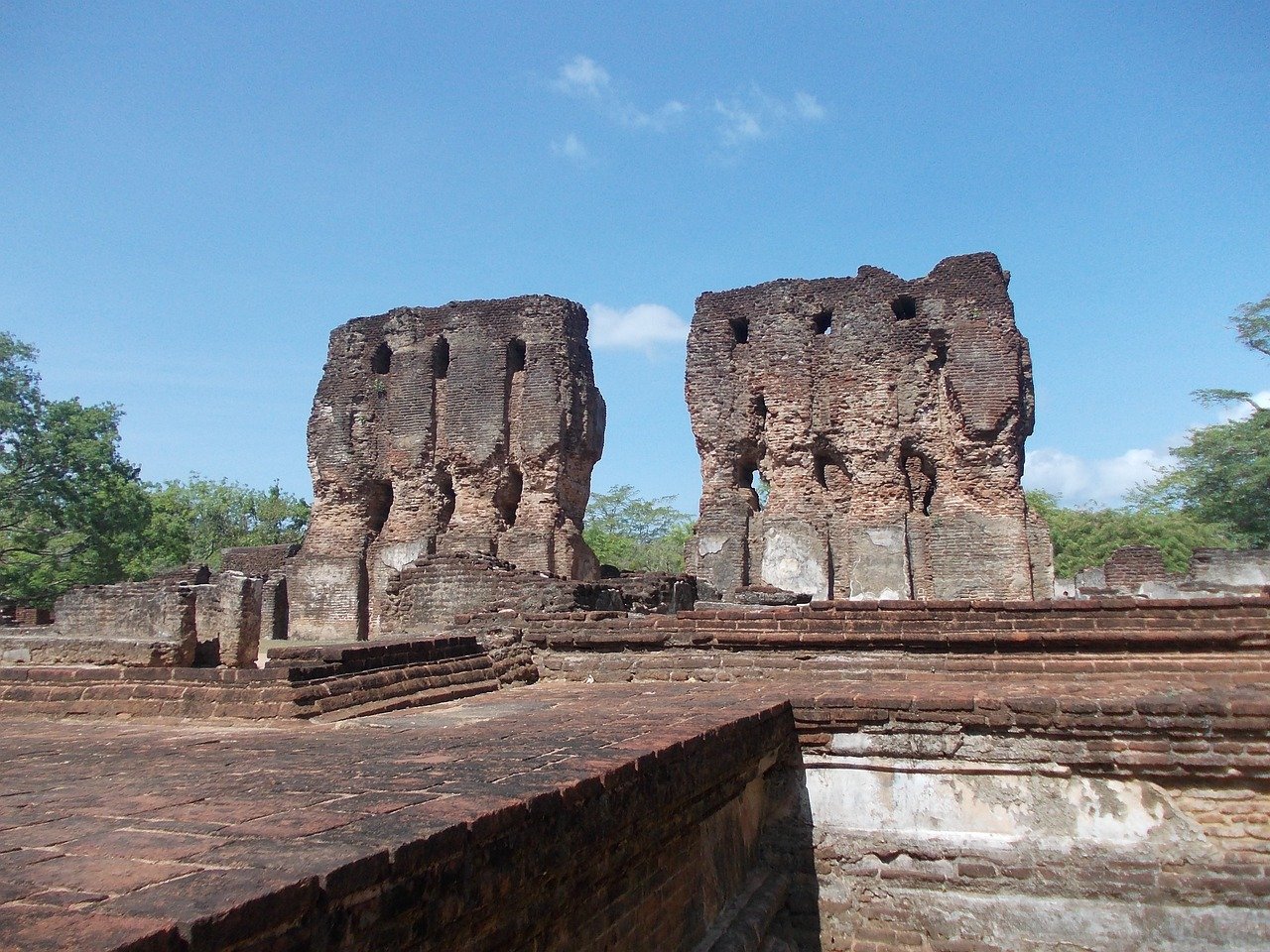
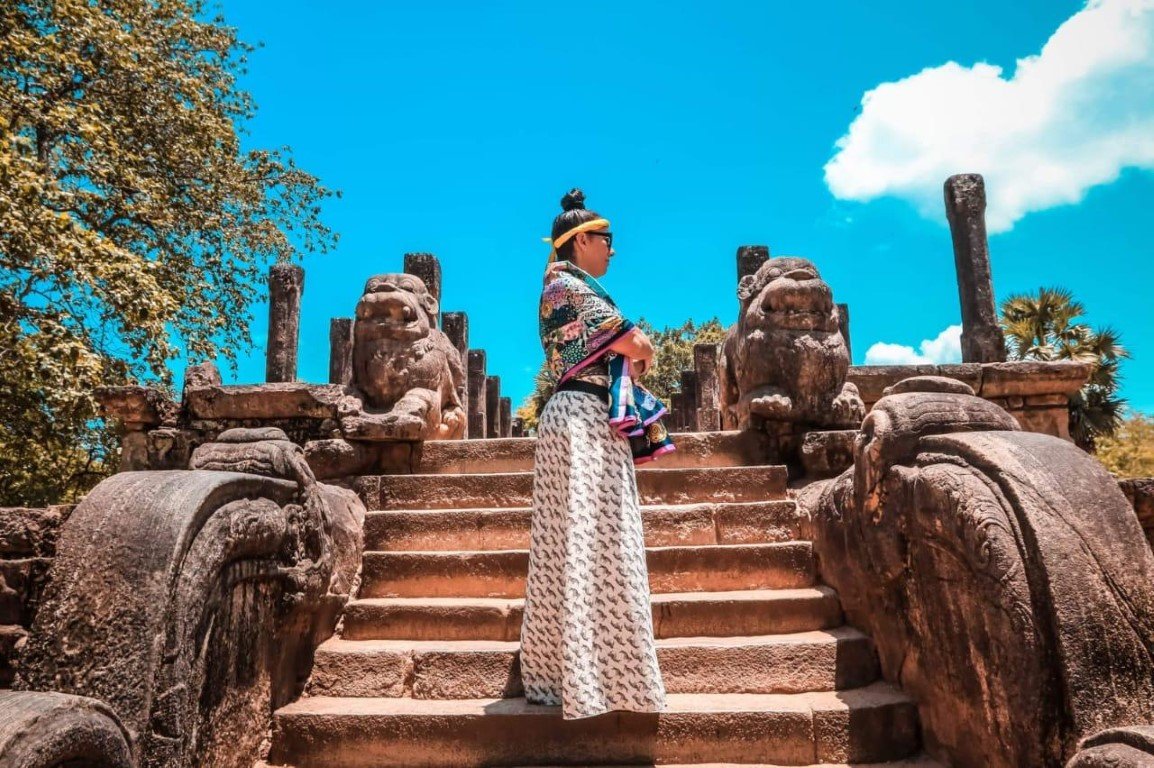
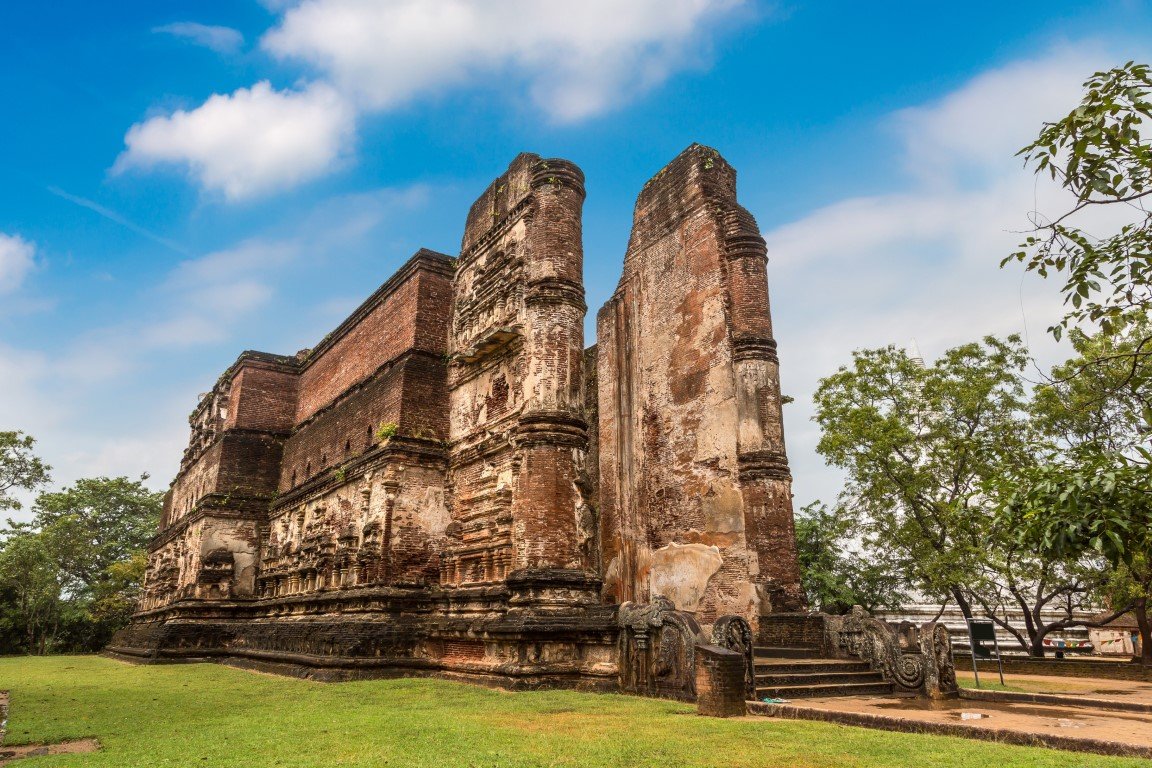
Polonnaruwa succeeded Anuradhapura as the island’s capital in the 11th century, reaching its height under King Parakramabahu, who declared that not a single drop of rain should flow to the sea without serving cultivation. His vast irrigation systems still sustain the region today. The Gal Vihara’s stone Buddhas, carved from a single granite face, embody a serenity and artistry unmatched in Asia. Polonnaruwa is both ruin and revelation, a reminder of a golden era when architecture, agriculture and philosophy intertwined.
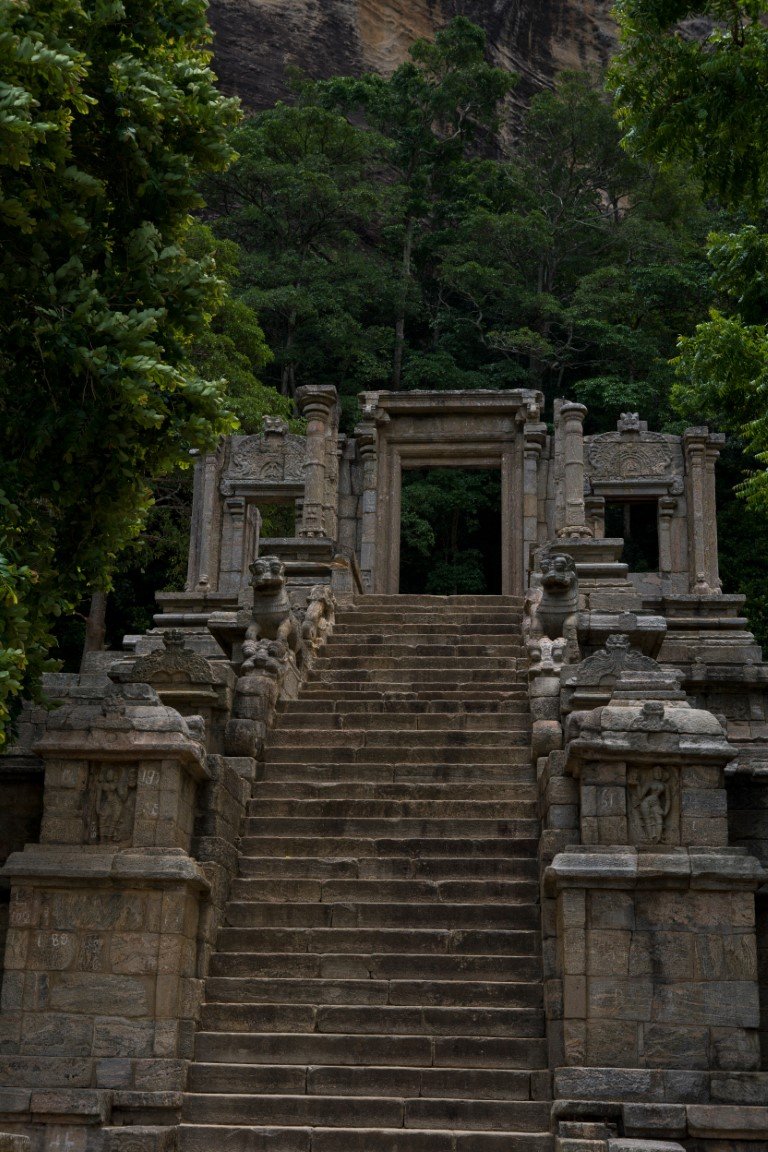
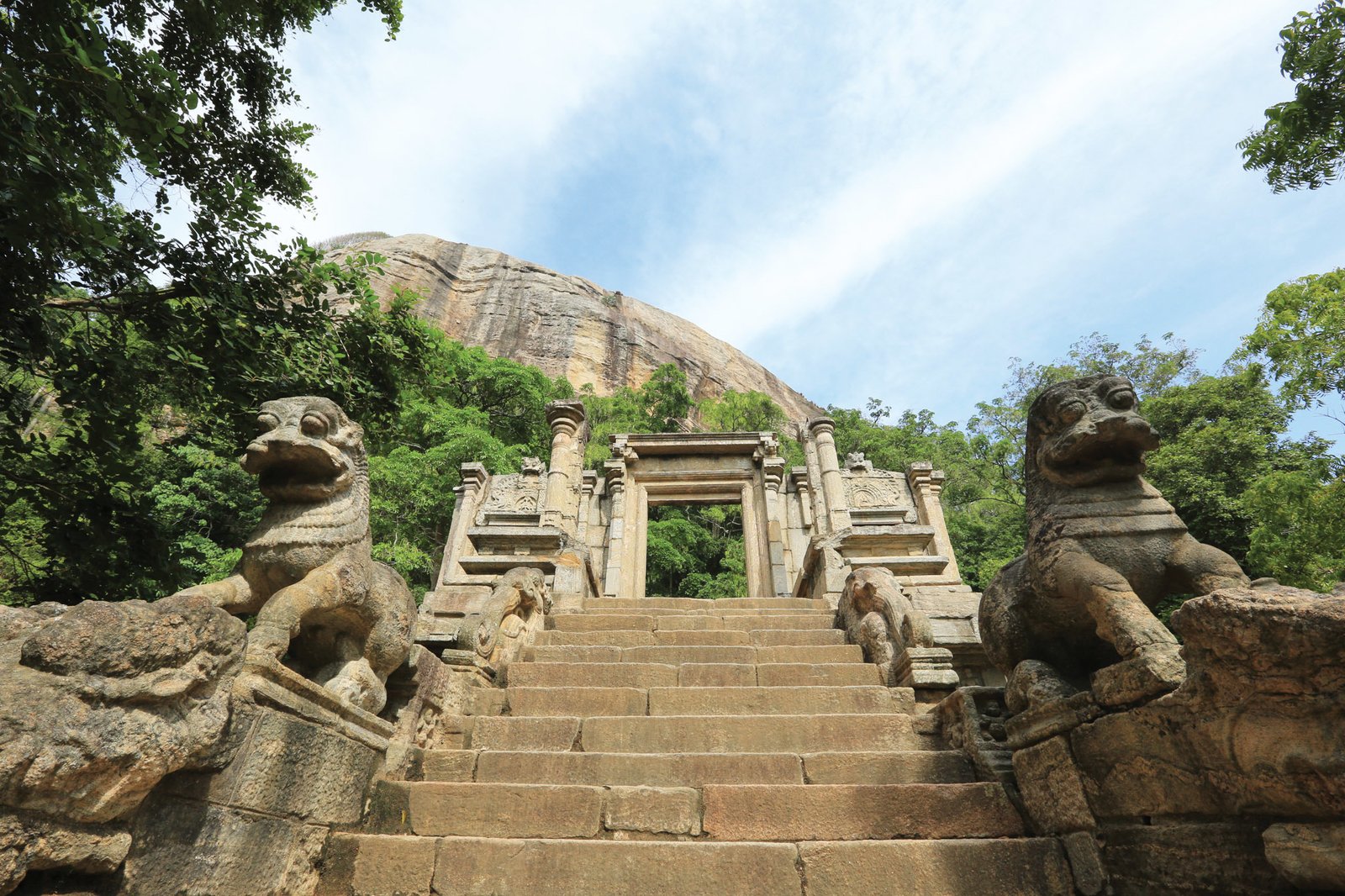
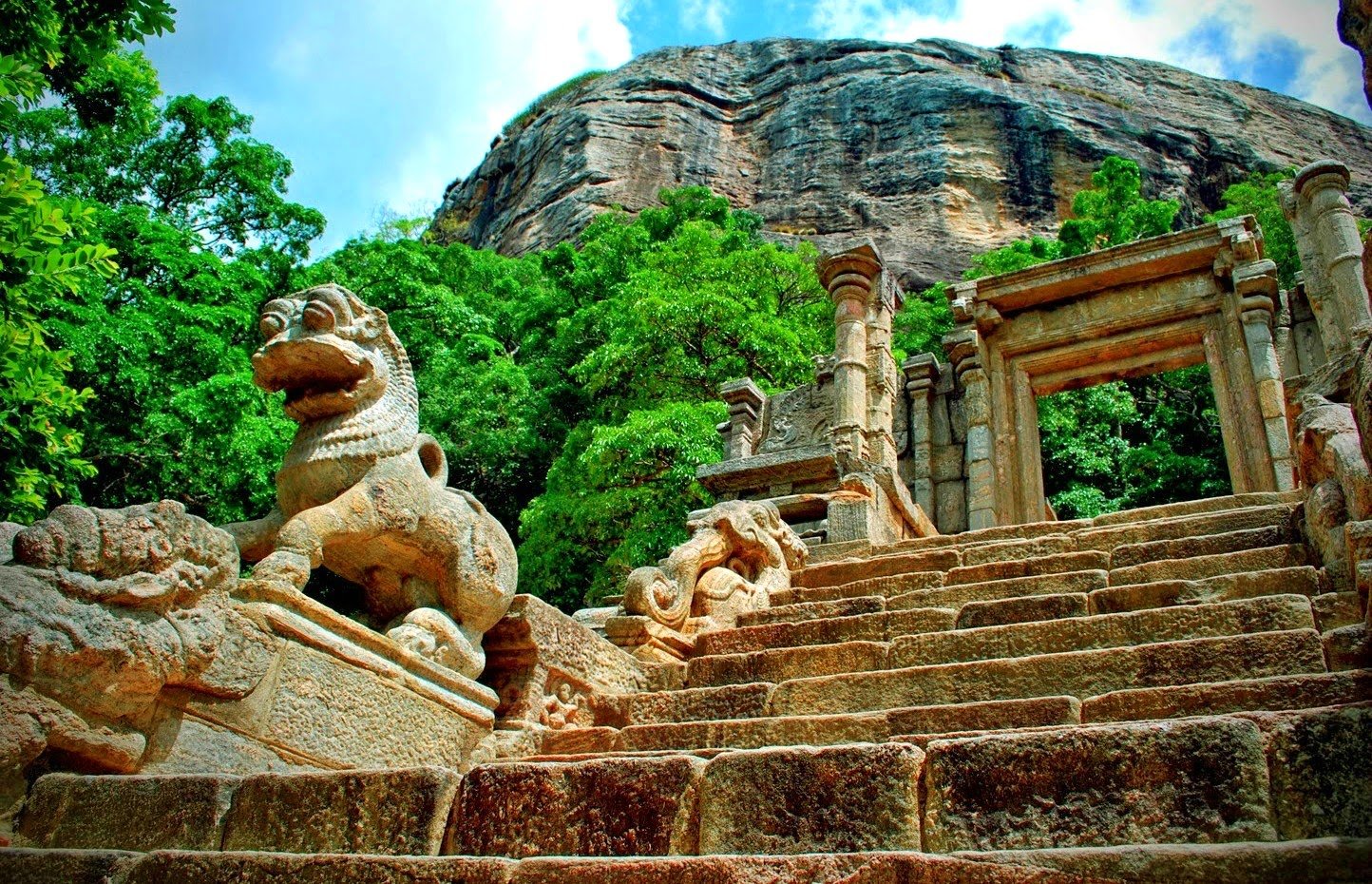
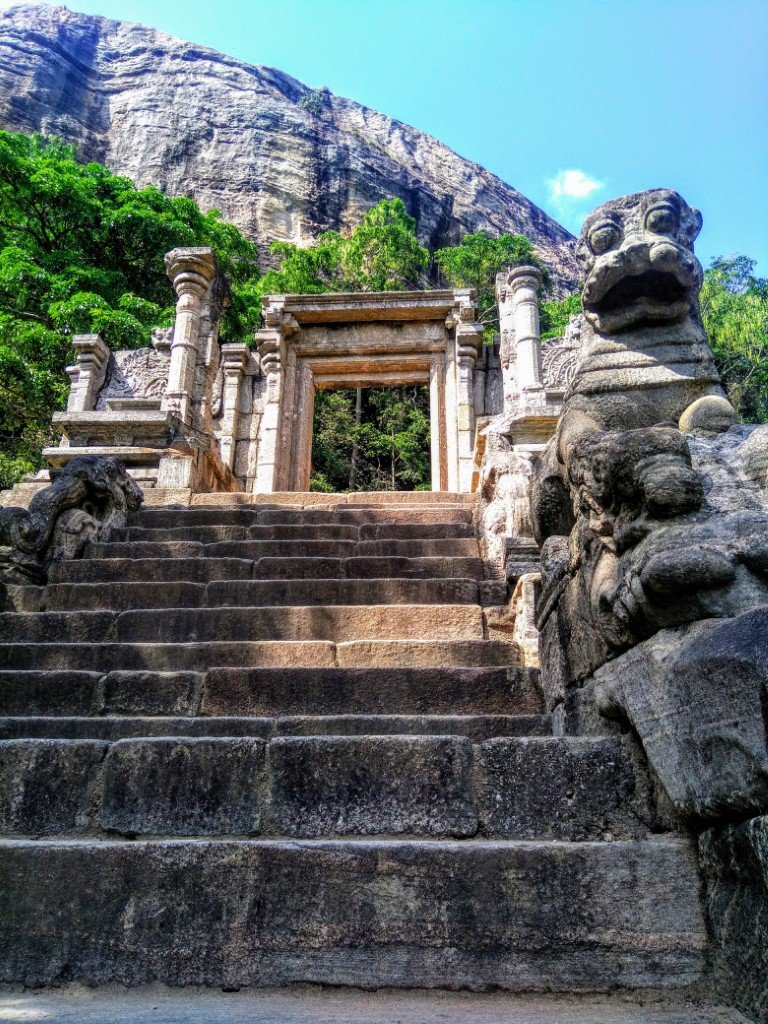
Yapahuwa, though less known than its grander counterparts, is a fortress-palace that once guarded the Sacred Tooth Relic. Its steep stairway rises toward ornate carvings of lions, musicians and dancers that speak of a brief but vibrant period in the 13th century. The summit reveals panoramic views of the surrounding countryside, echoing its strategic purpose as a watchpoint against invasions. Yapahuwa’s beauty lies in its blend of fortification and artistry, a jewel often overlooked yet deeply rewarding.
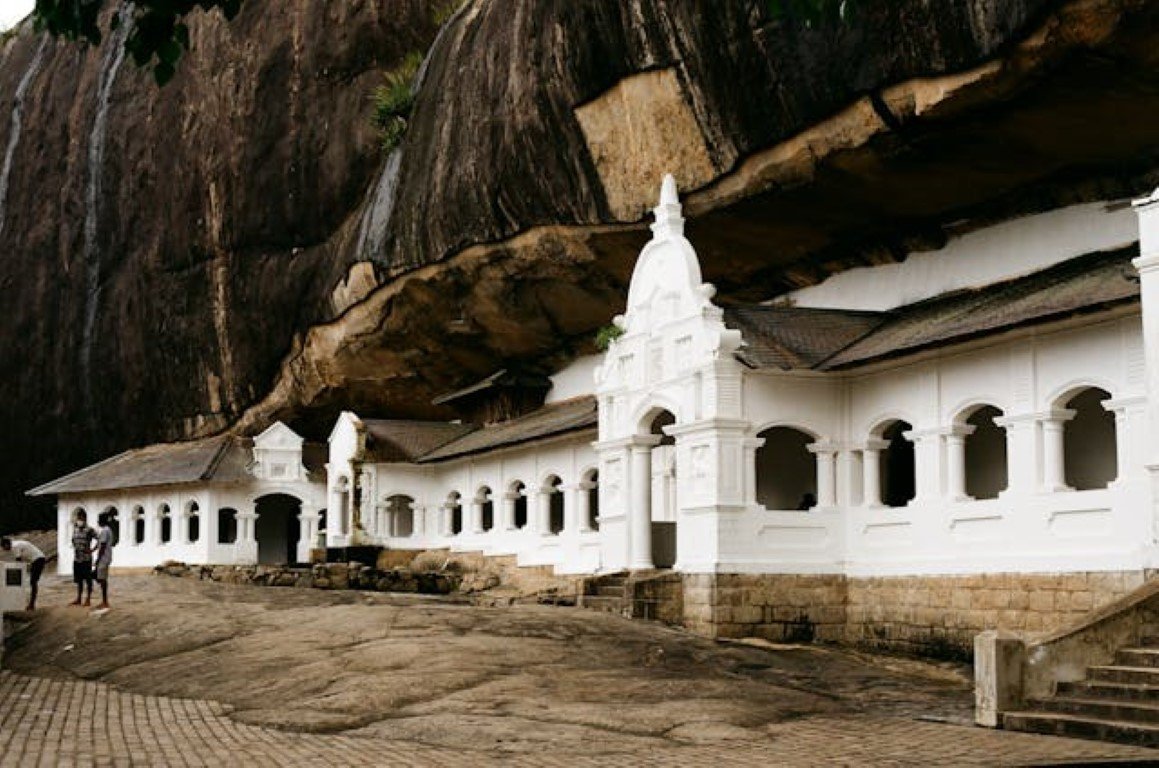
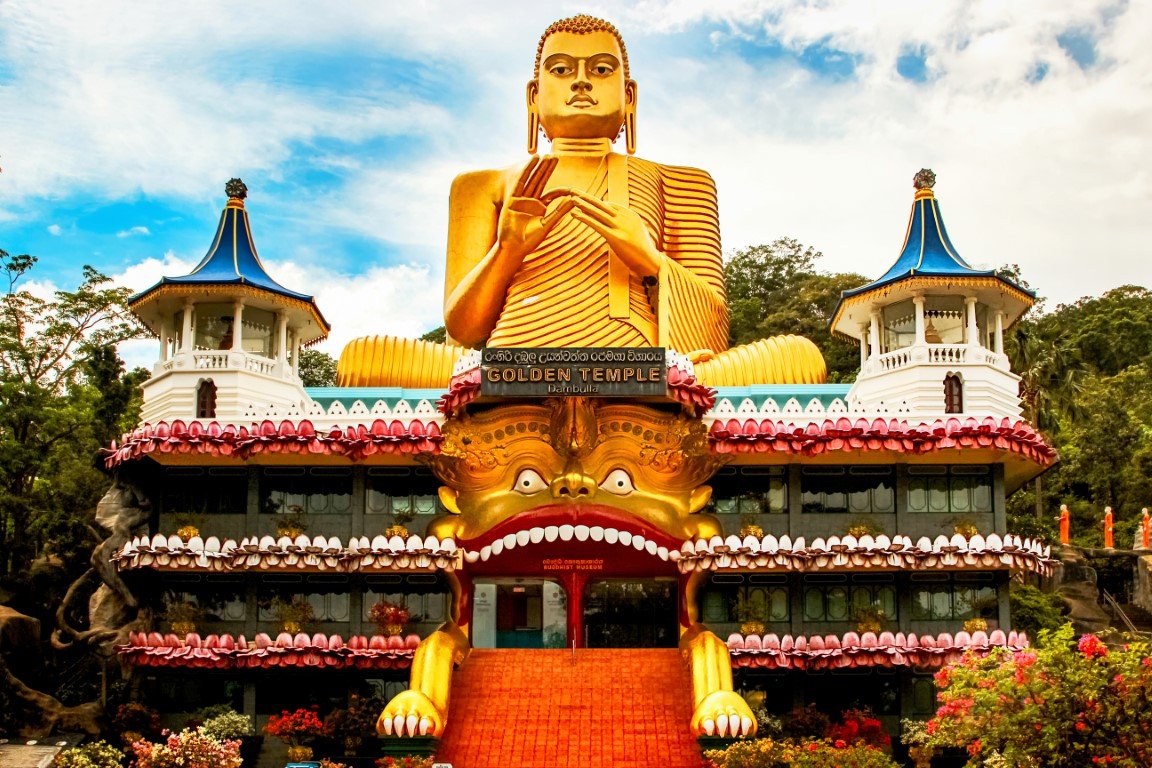
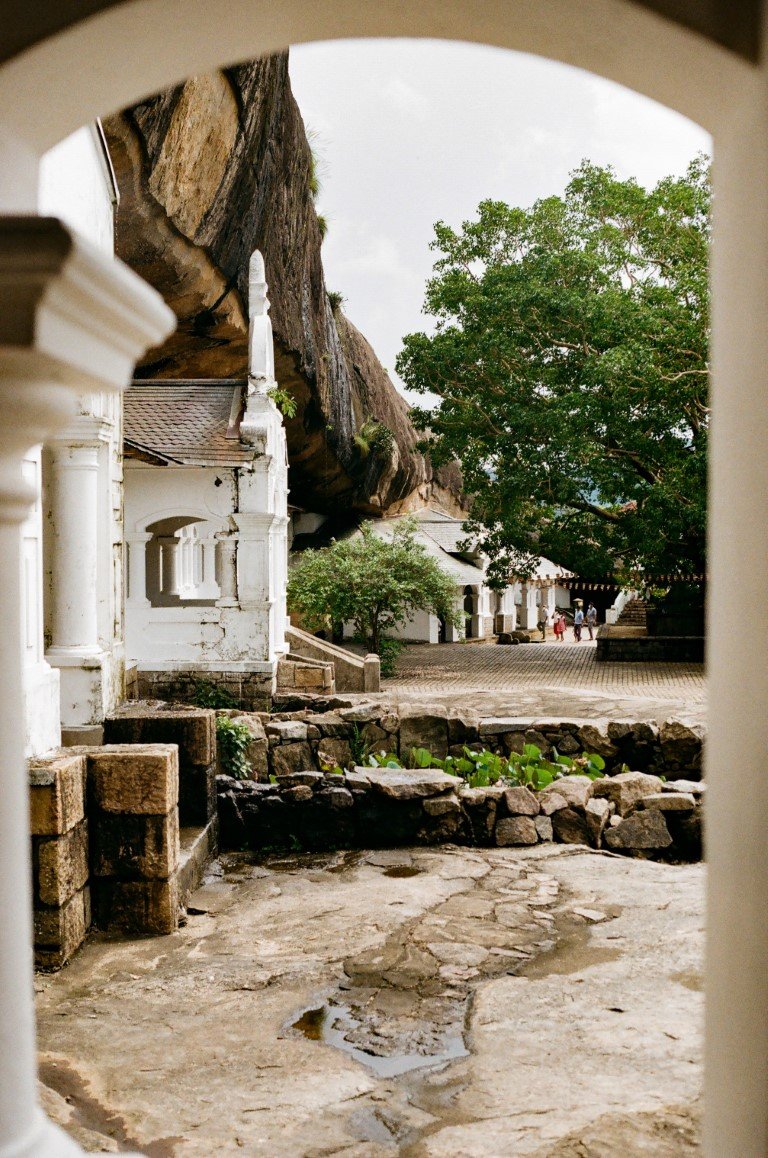
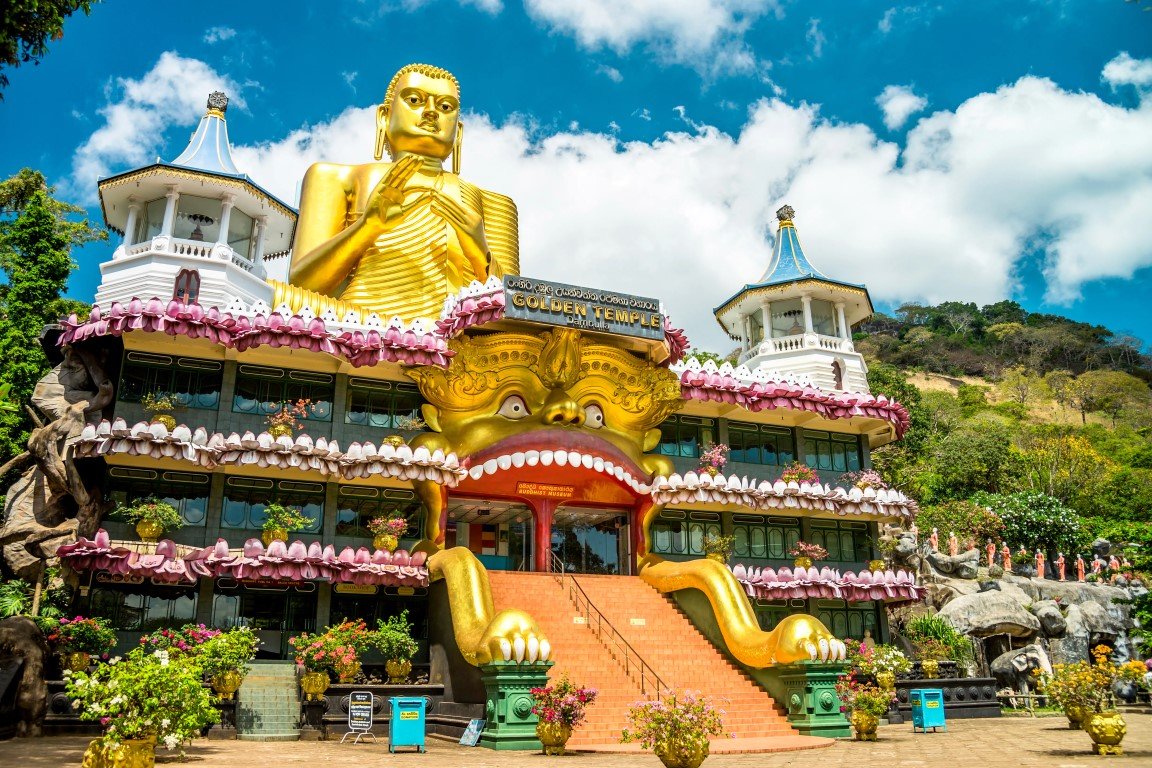
The Dambulla Cave Temple is a sanctuary carved into rock, where more than 150 Buddha statues rest beneath ceilings painted with centuries of intricate murals. The caves have served as a place of worship since the 1st century BCE, their art evolving with each dynasty that sought to honour the faith. Gold-leaf statues glimmer in candlelight, and the scent of incense lingers in chambers where pilgrims still bow in reverence. Dambulla is not only an archive of Buddhist art but also a living shrine where devotion continues unbroken.
Highland Retreats
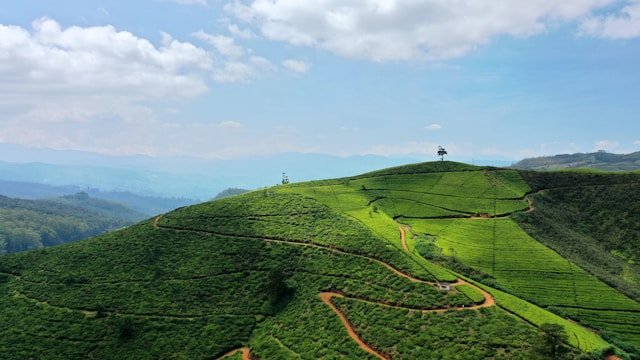
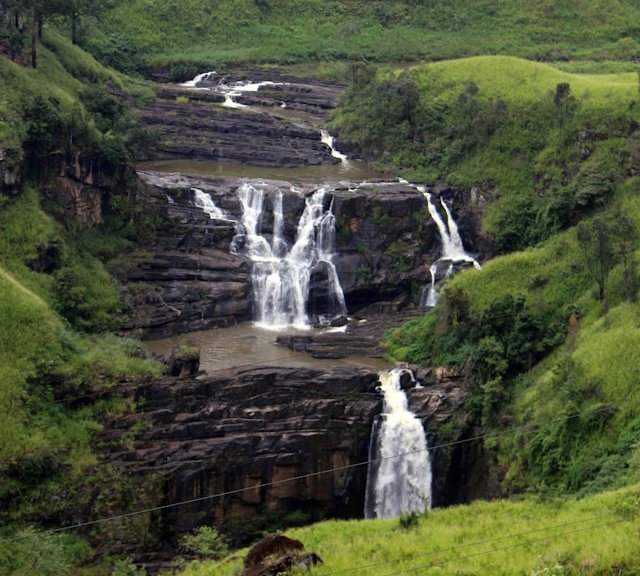
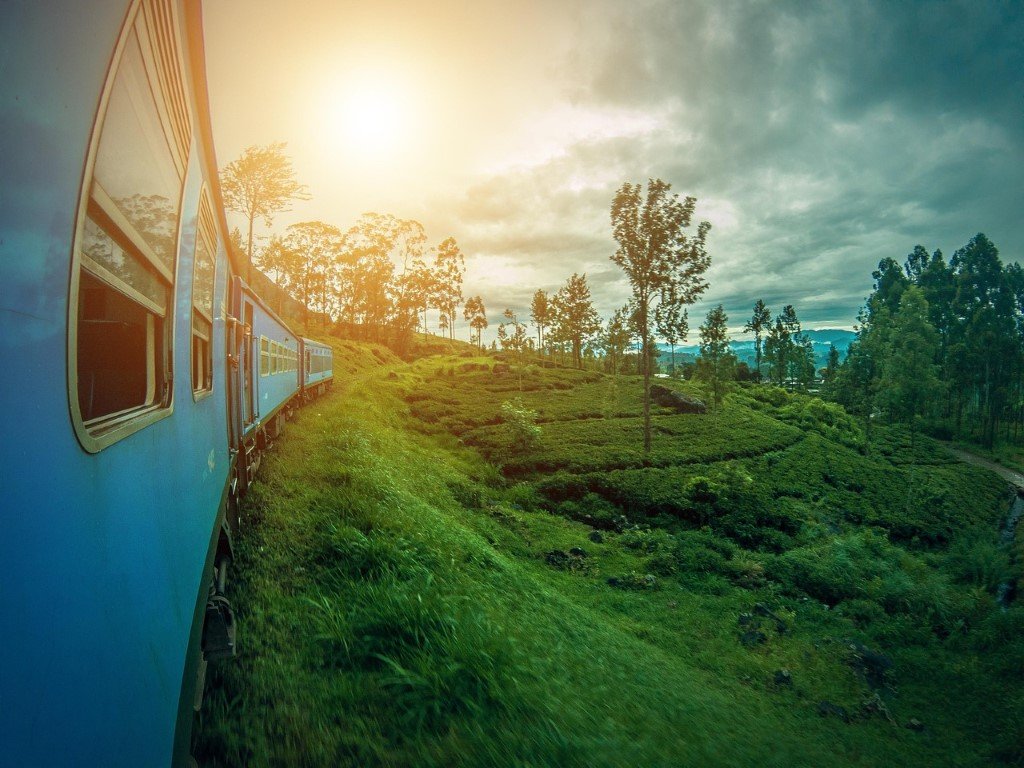
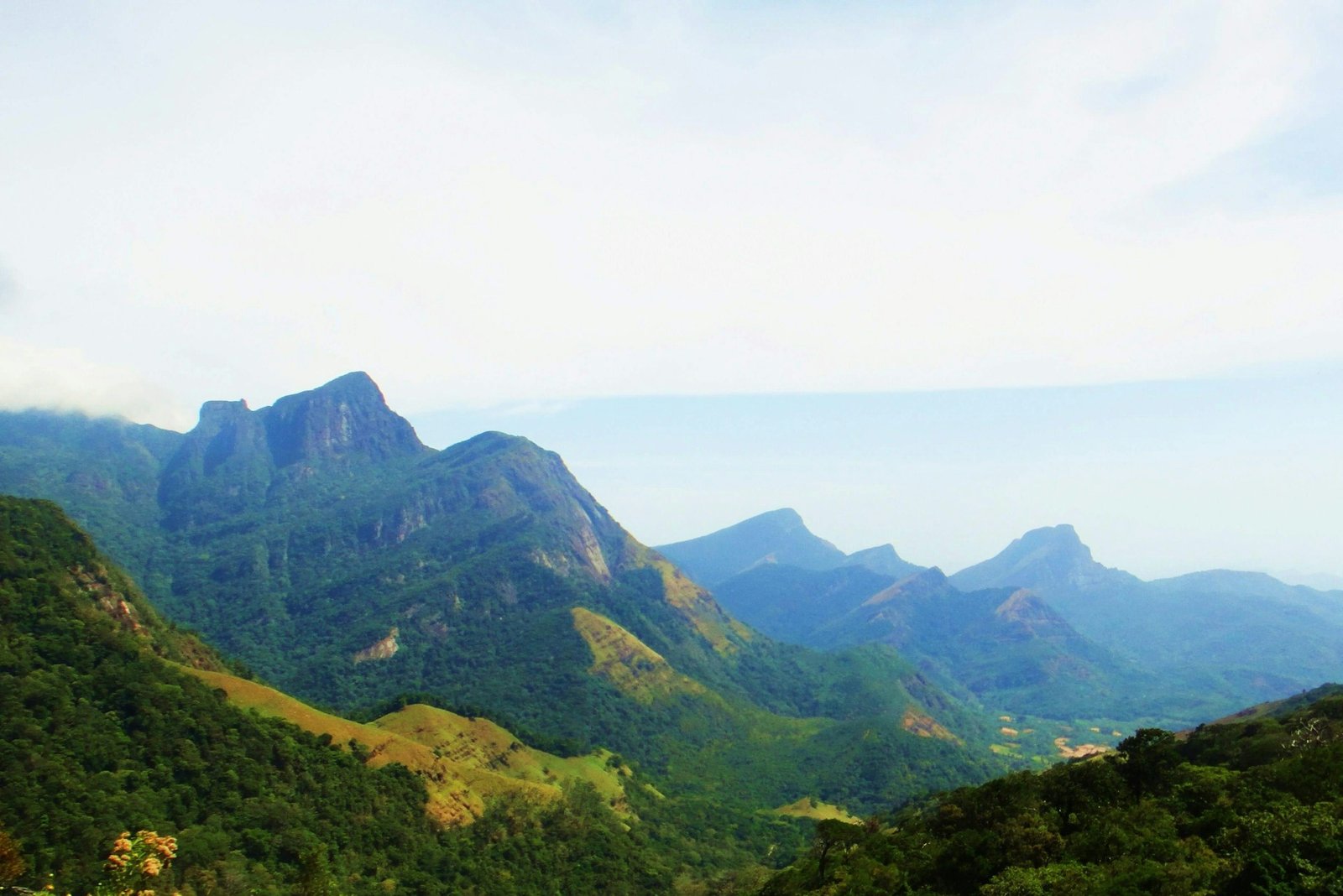
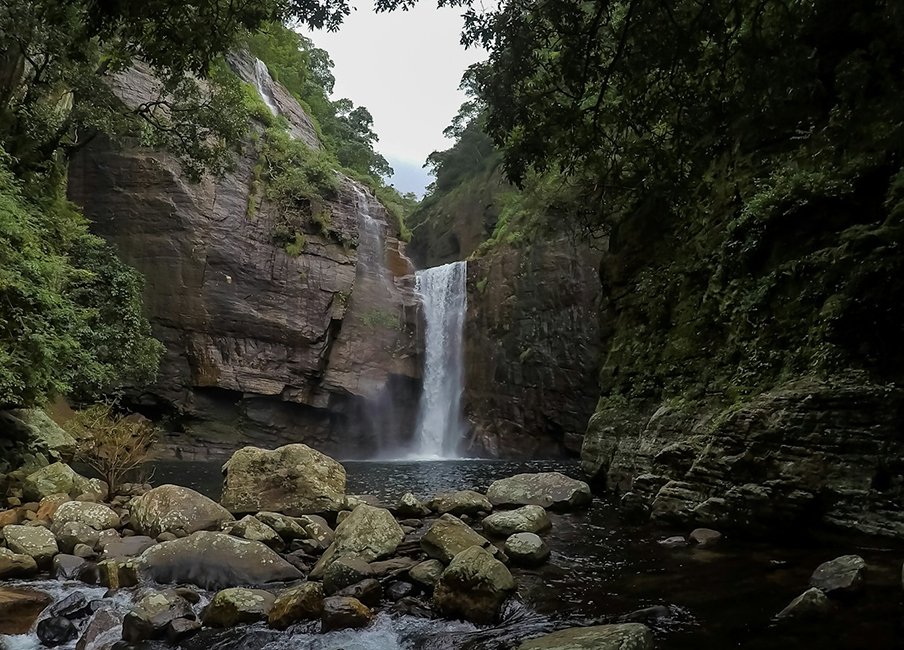
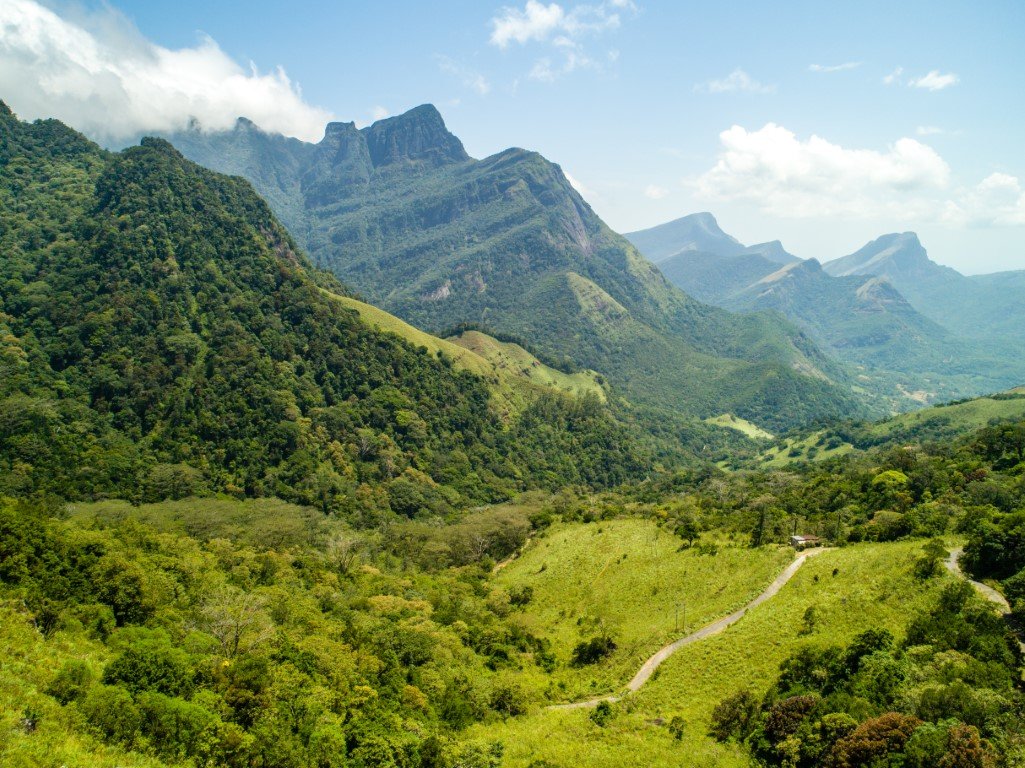
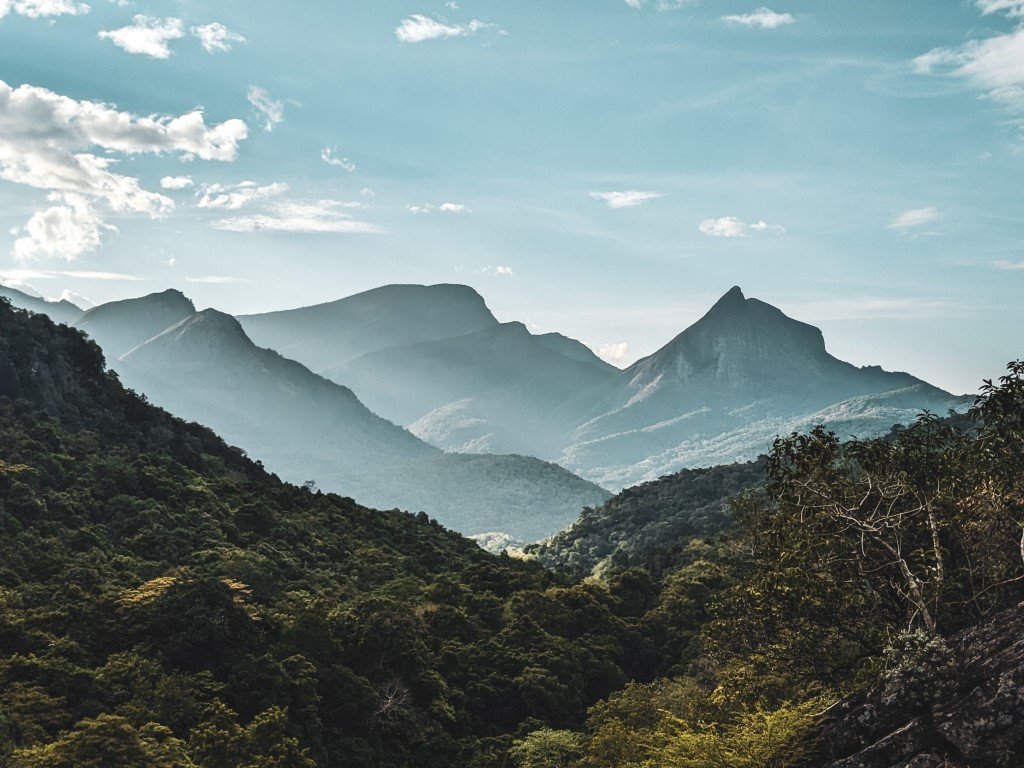
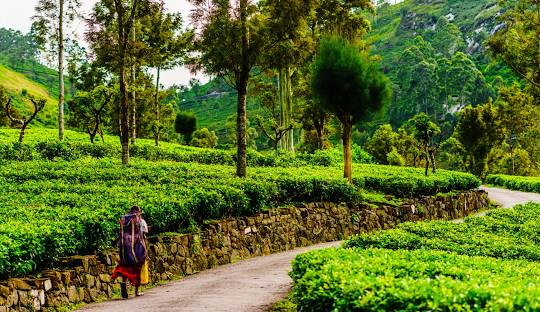
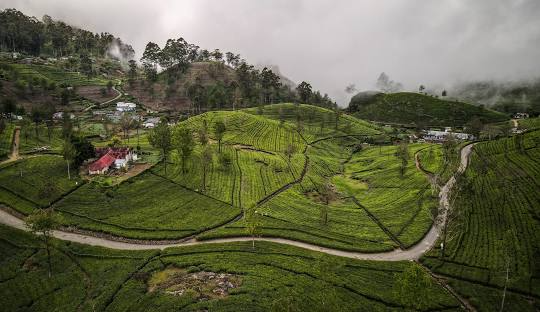
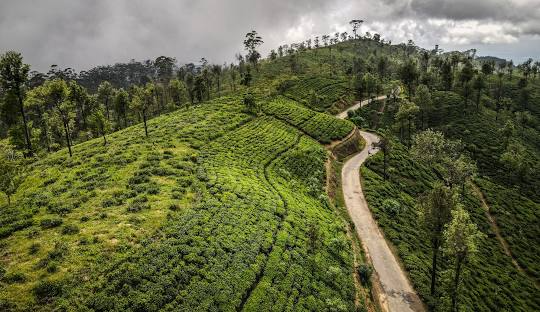
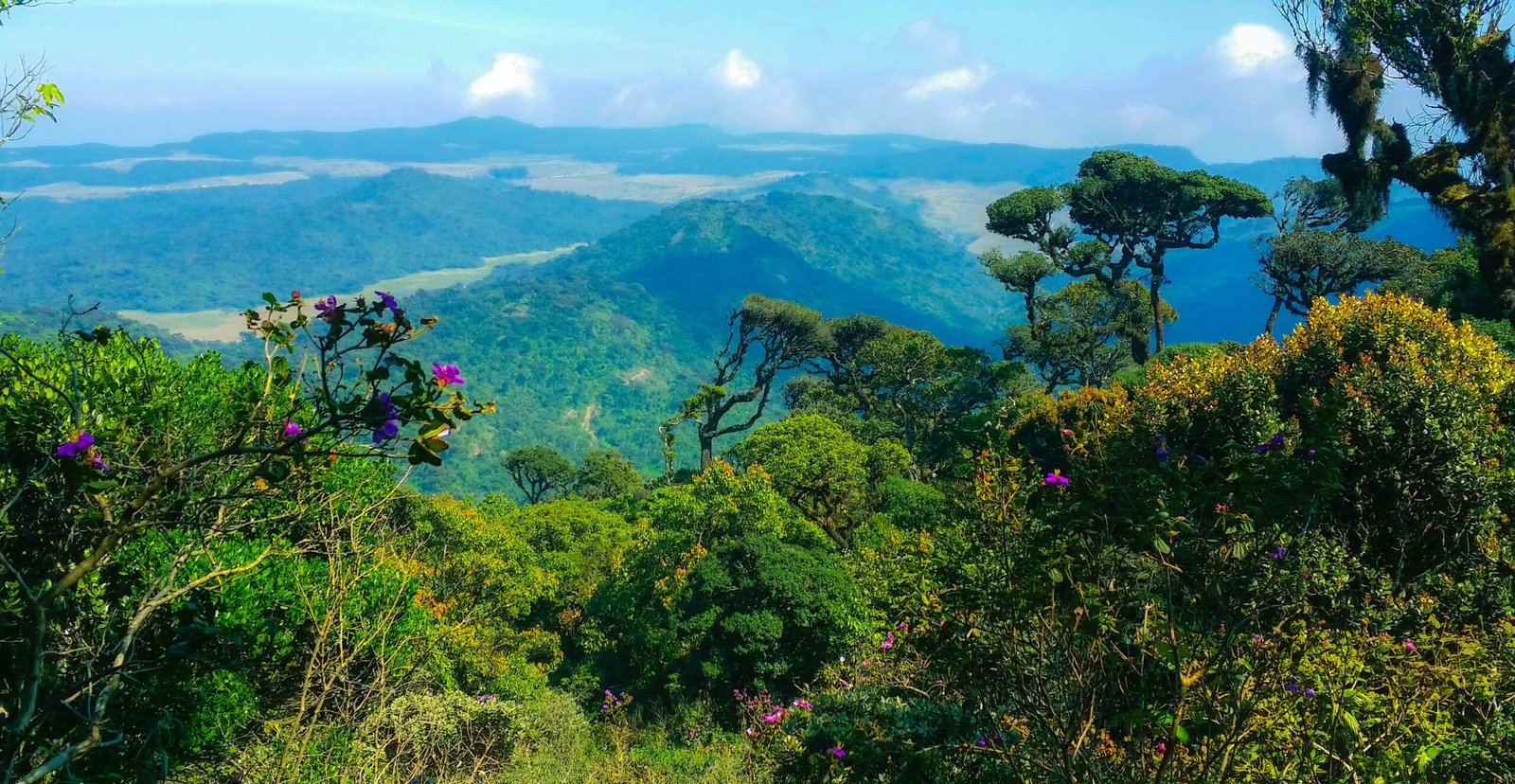
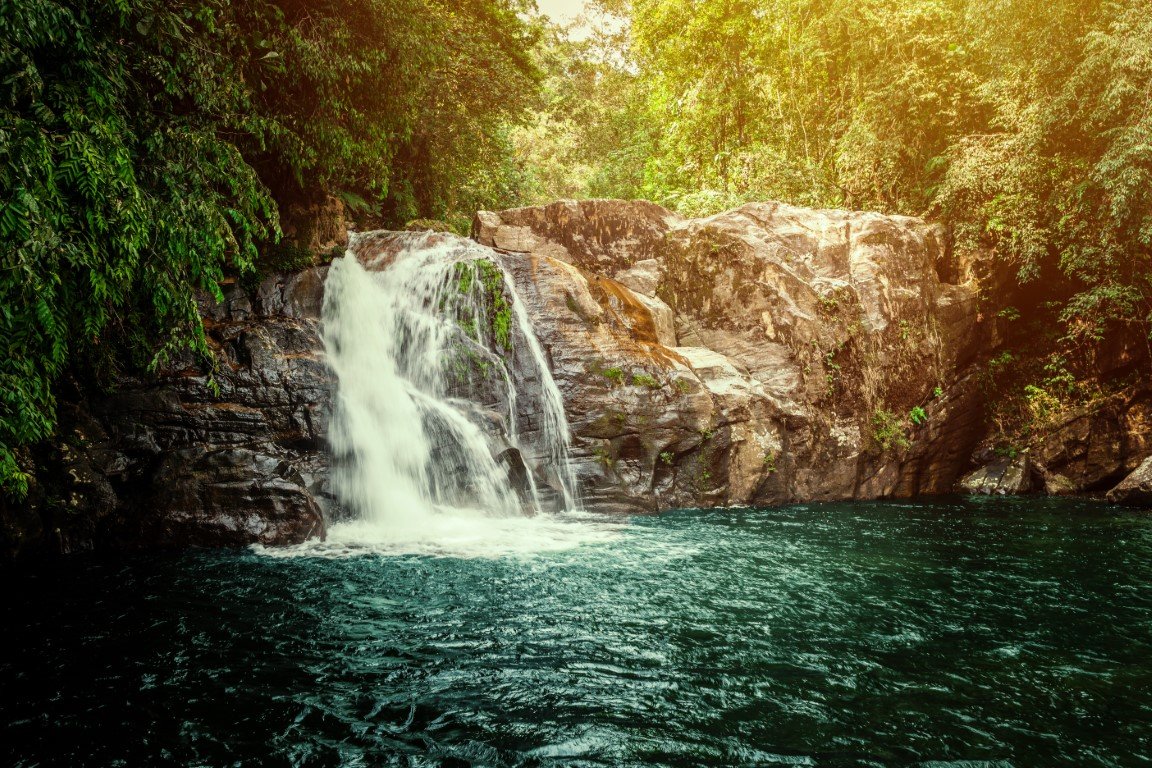
Sri Lanka’s central highlands rise like a green crown, their cool breezes carrying the scent of tea leaves and eucalyptus. Mist drapes over valleys at dawn, waterfalls carve silver ribbons into the hillsides, and mountain trails wind through forests alive with birdcall. Here, time seems to soften its pace, inviting travellers into a landscape that is both tranquil and dramatic. The highlands are not only a place of beauty but also of history, where colonial legacies meet ancient peaks and everyday life unfolds amidst fields of emerald tea.
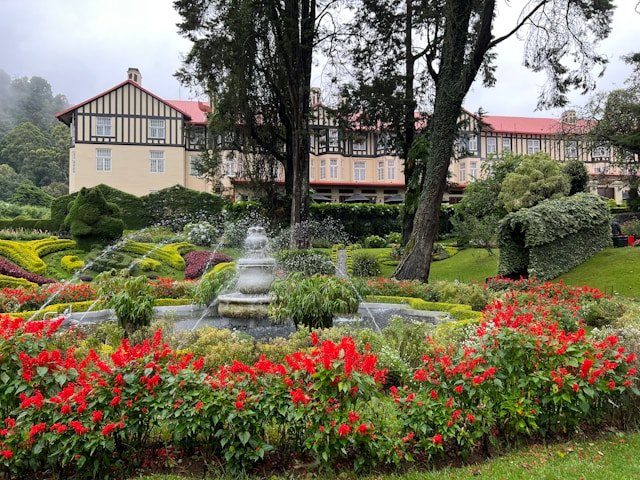
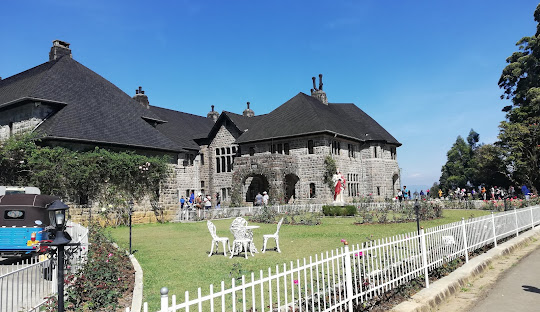
Nuwara Eliya is often called “Little England,” a name rooted in its colonial past when British planters shaped it into a retreat. Its manicured gardens, golf course, and rose-filled parks still carry echoes of that era. Yet beyond the charm of red-brick cottages lies a working landscape of tea estates that sustain the region’s livelihood. Lake Gregory reflects the surrounding hills, and the town’s crisp climate makes it a sanctuary from the island’s heat.
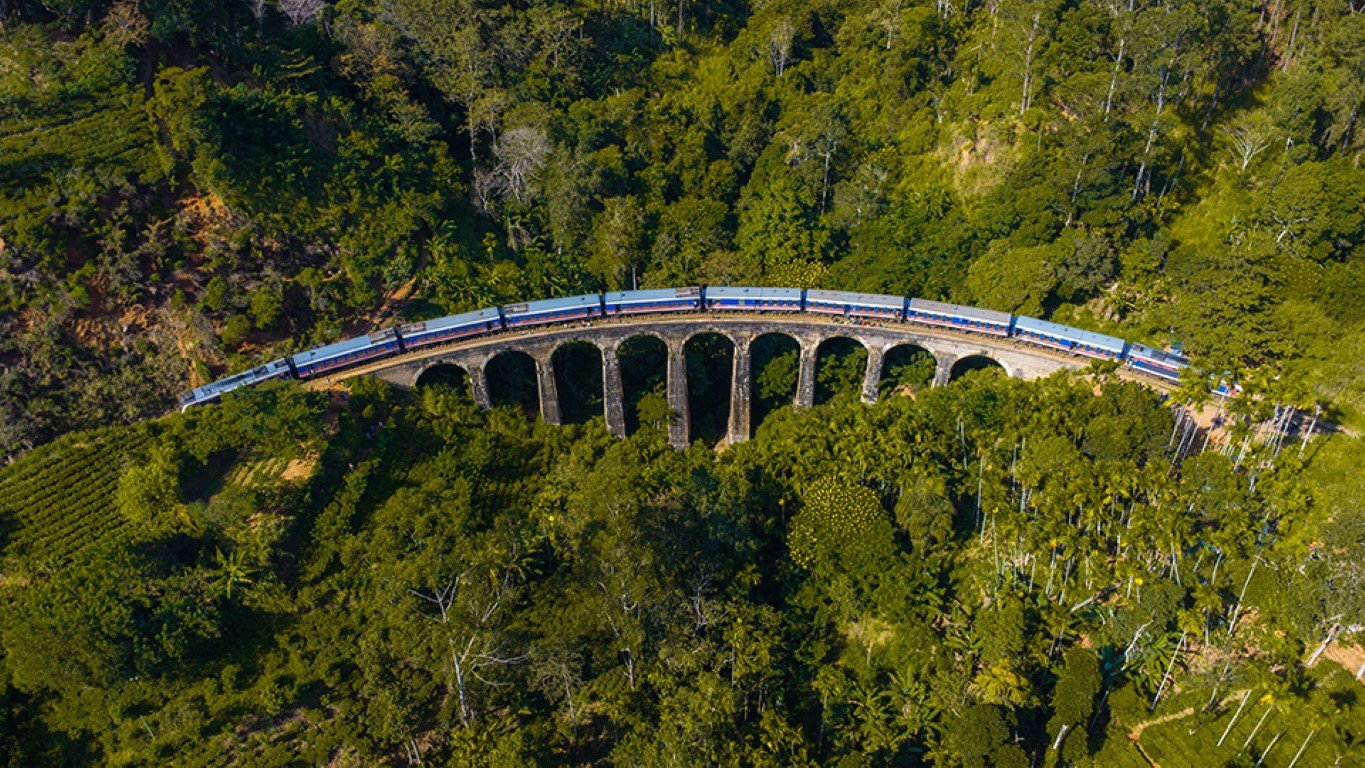
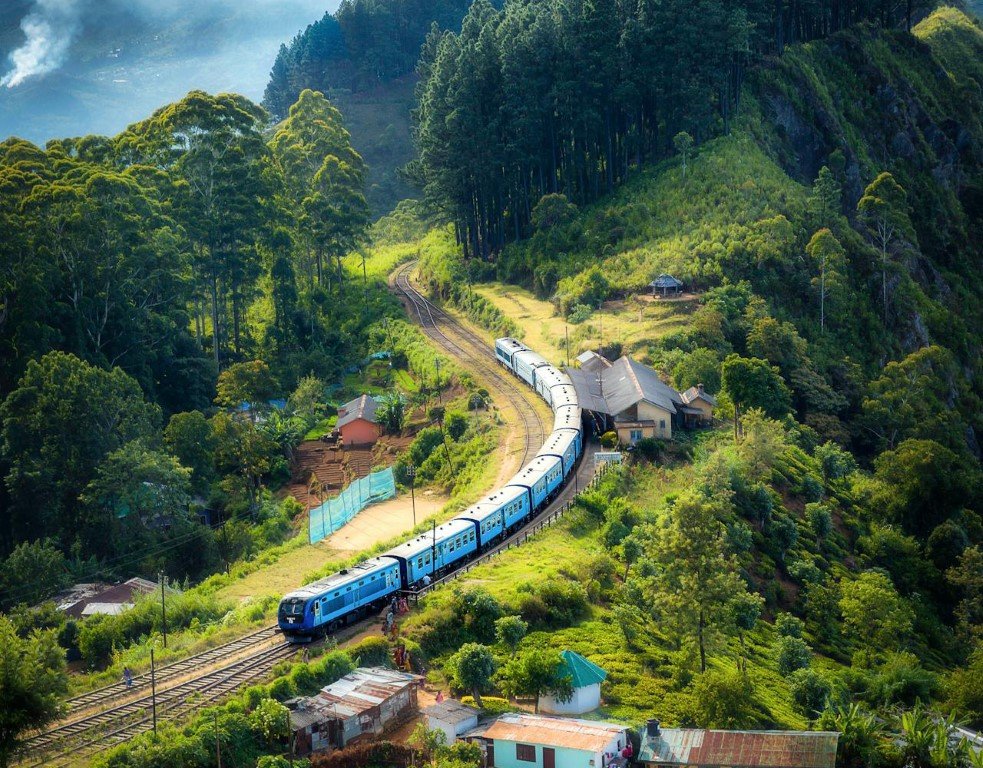
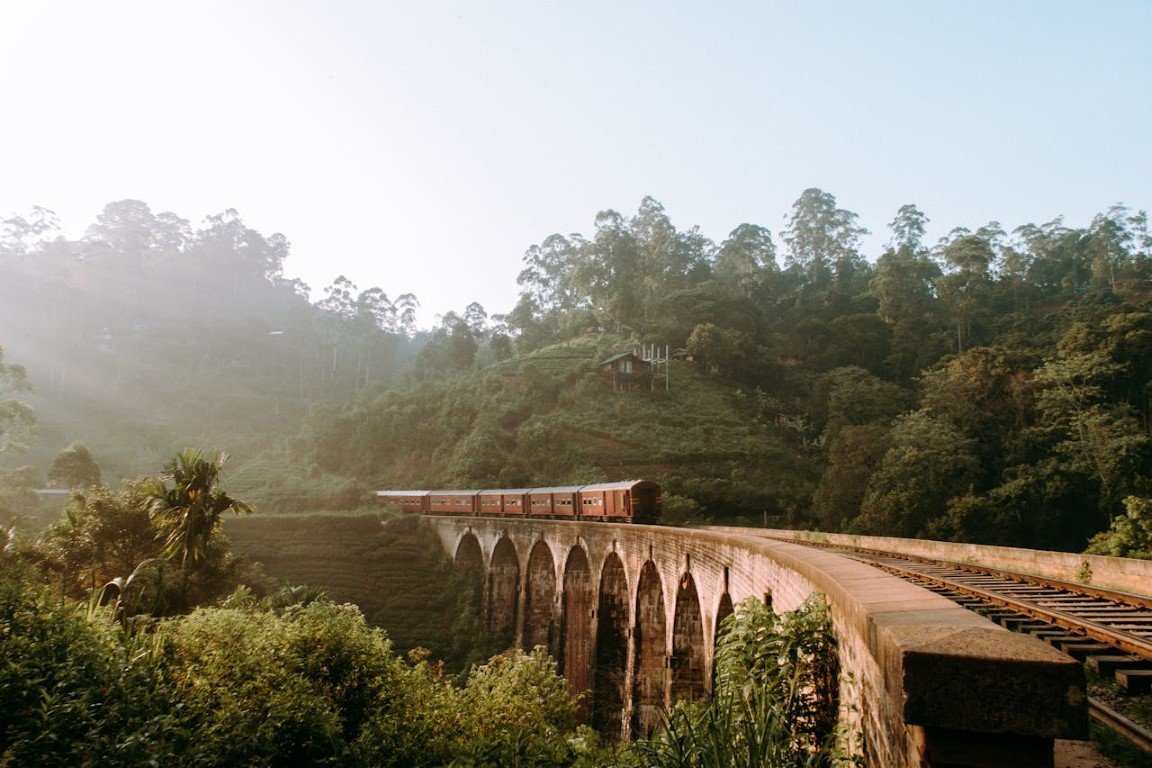
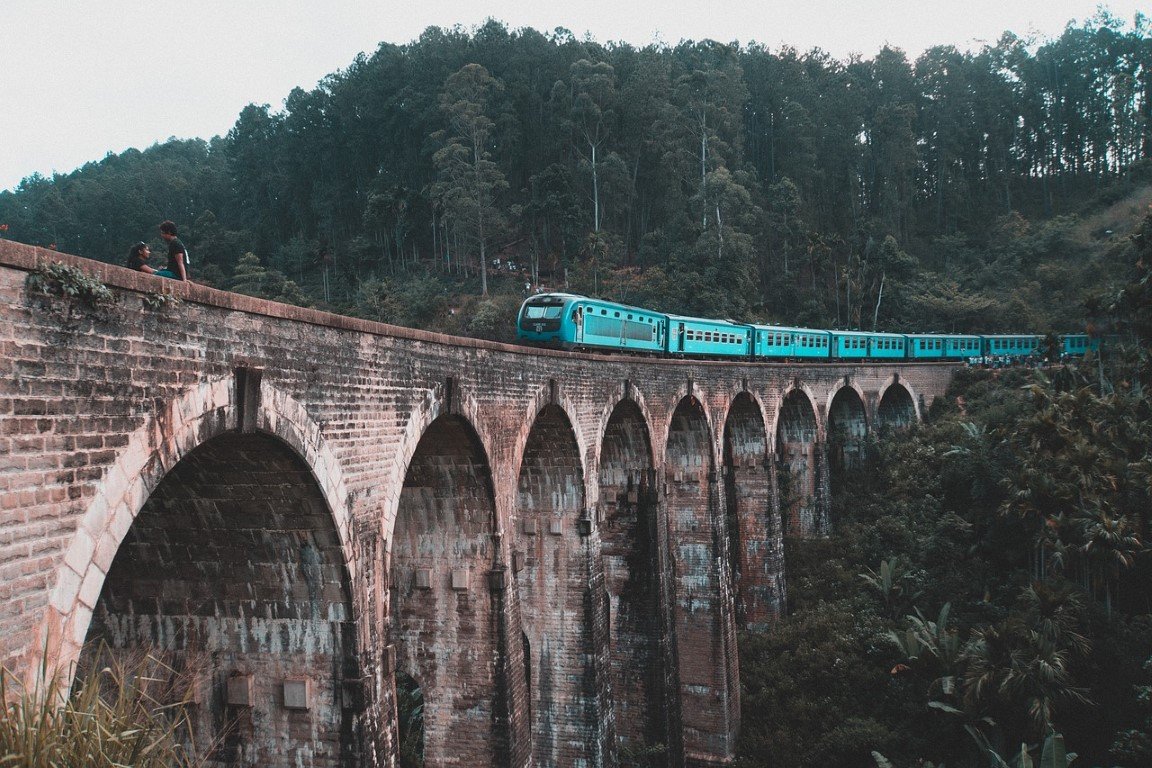
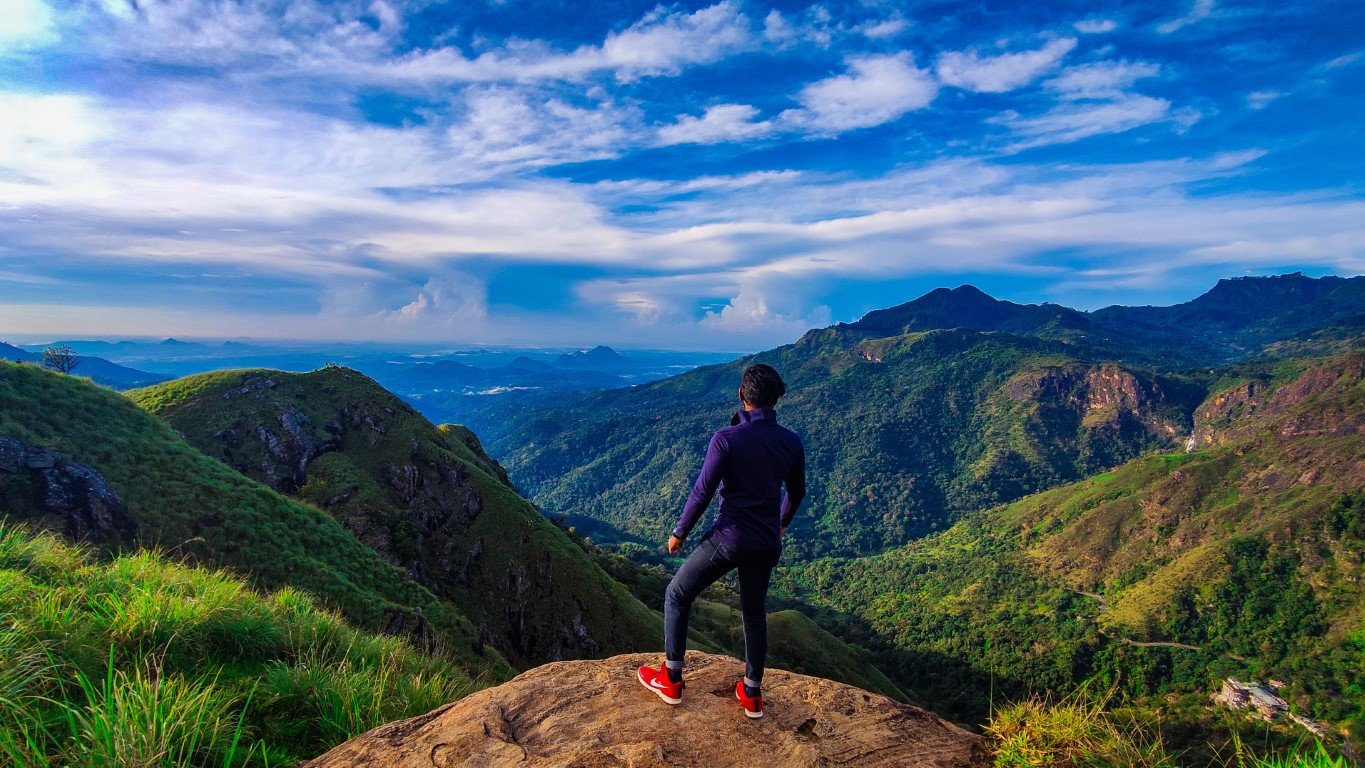
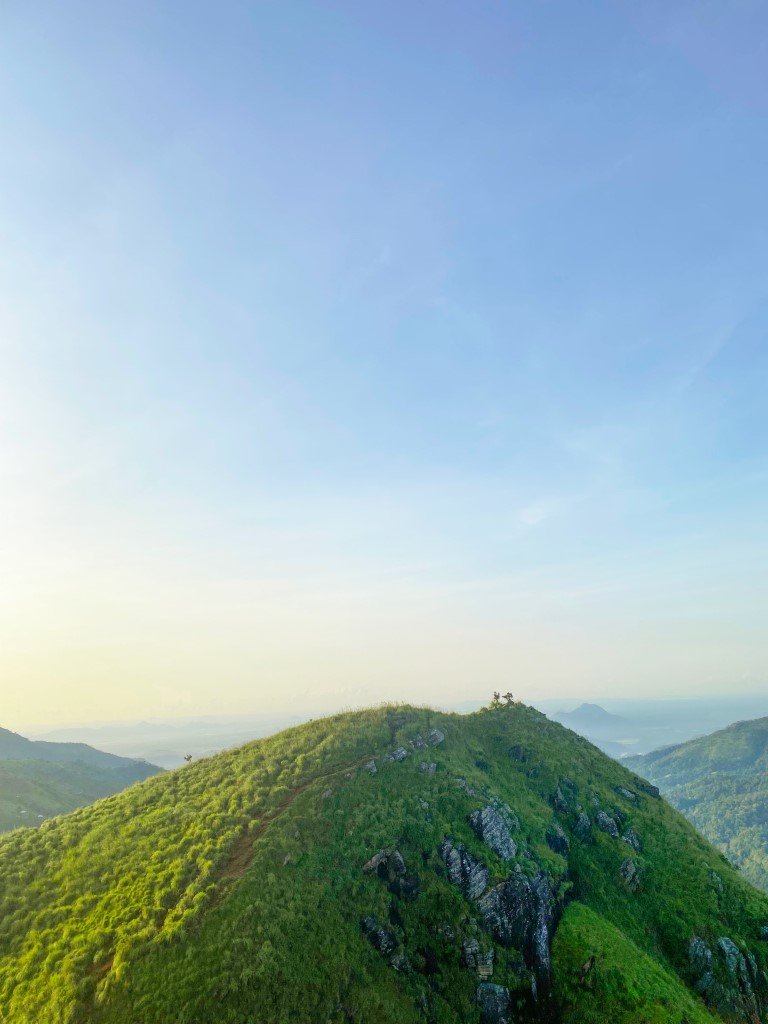
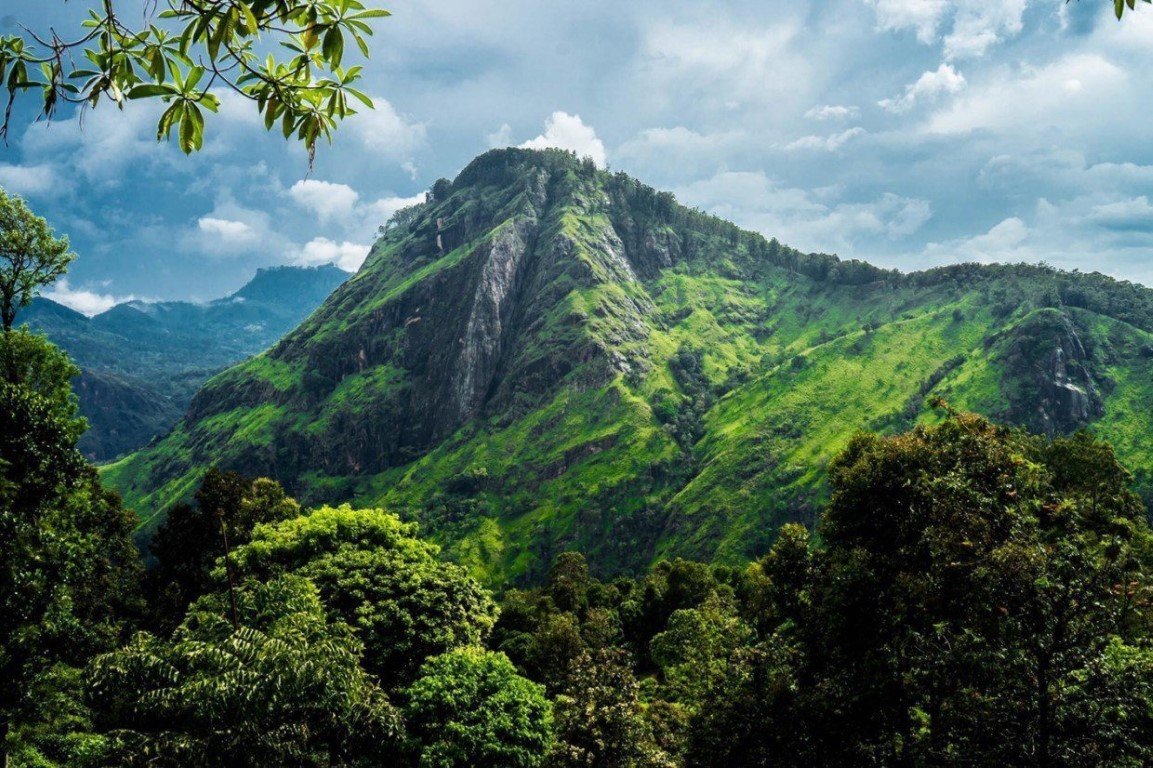
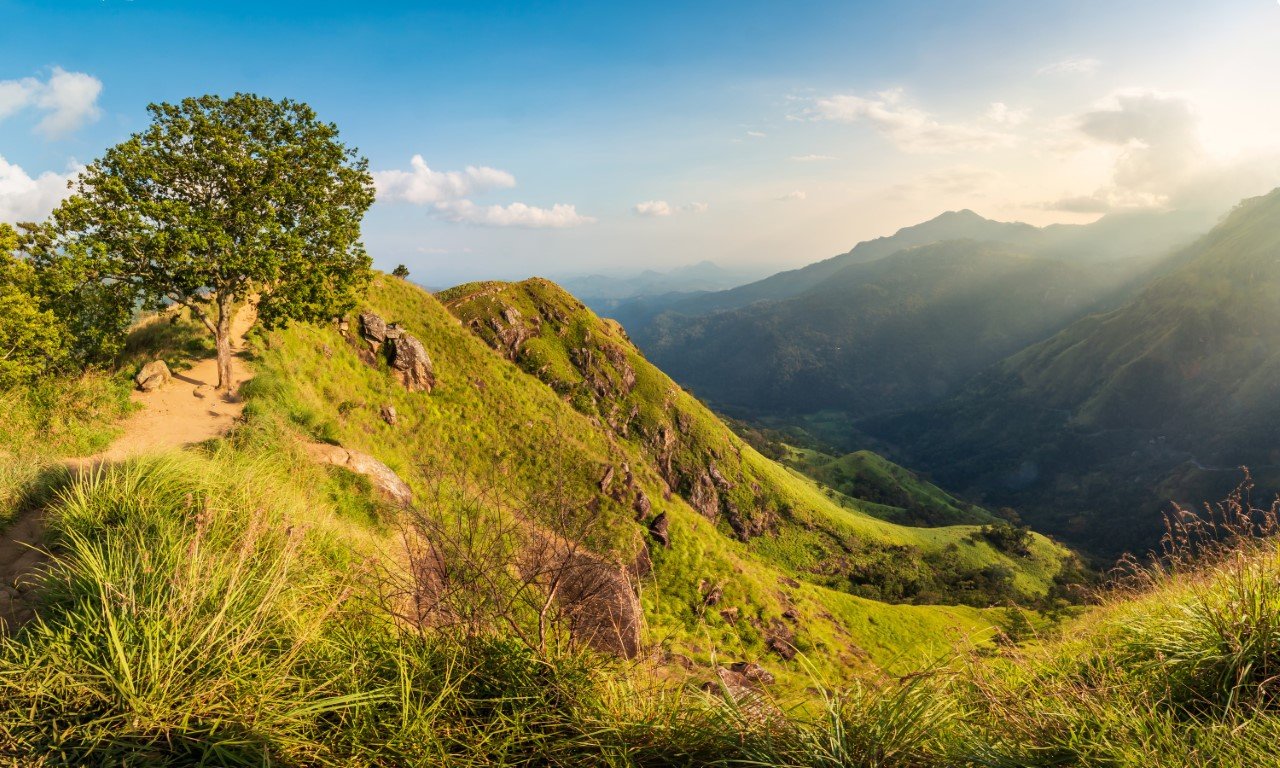
Ella is a small town with vast horizons, perched among rolling hills and cloud-kissed peaks. Its most iconic view is from Ella Rock, while Little Adam’s Peak offers a gentler climb for equally breathtaking scenery. The Nine Arch Bridge, a marvel of colonial railway engineering, arcs through dense forest as trains pass in rhythmic grace. Ella is also a place of cafés and homestays, where the hum of conversation blends with the sound of the wind in the pines.
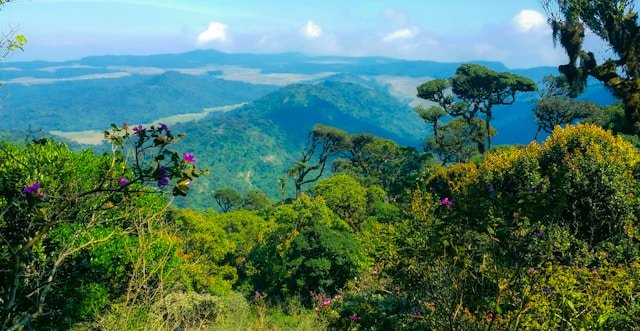
The Knuckles Mountain Range takes its name from its shape, a series of folds that resemble the knuckles of a clenched fist. This UNESCO-listed biosphere is one of Sri Lanka’s richest ecological zones, home to endemic orchids, rare lizards, and birds that thrive in its misty forests. Hiking here reveals landscapes that shift from tea gardens to cloud forests within hours. It is a sanctuary for those who seek both solitude and discovery in nature’s embrace.
Haputale rests on the edge of a plateau where clouds drift across valleys and the air is cool and sharp. It is closely linked to Sir Thomas Lipton, whose tea empire spread from these hills, and Lipton’s Seat remains one of the most panoramic lookouts in the country. The town is quieter than Ella or Nuwara Eliya, offering a slower rhythm that feels deeply connected to its tea-growing heritage. From its edges, the land falls away in sweeping views toward the plains below.
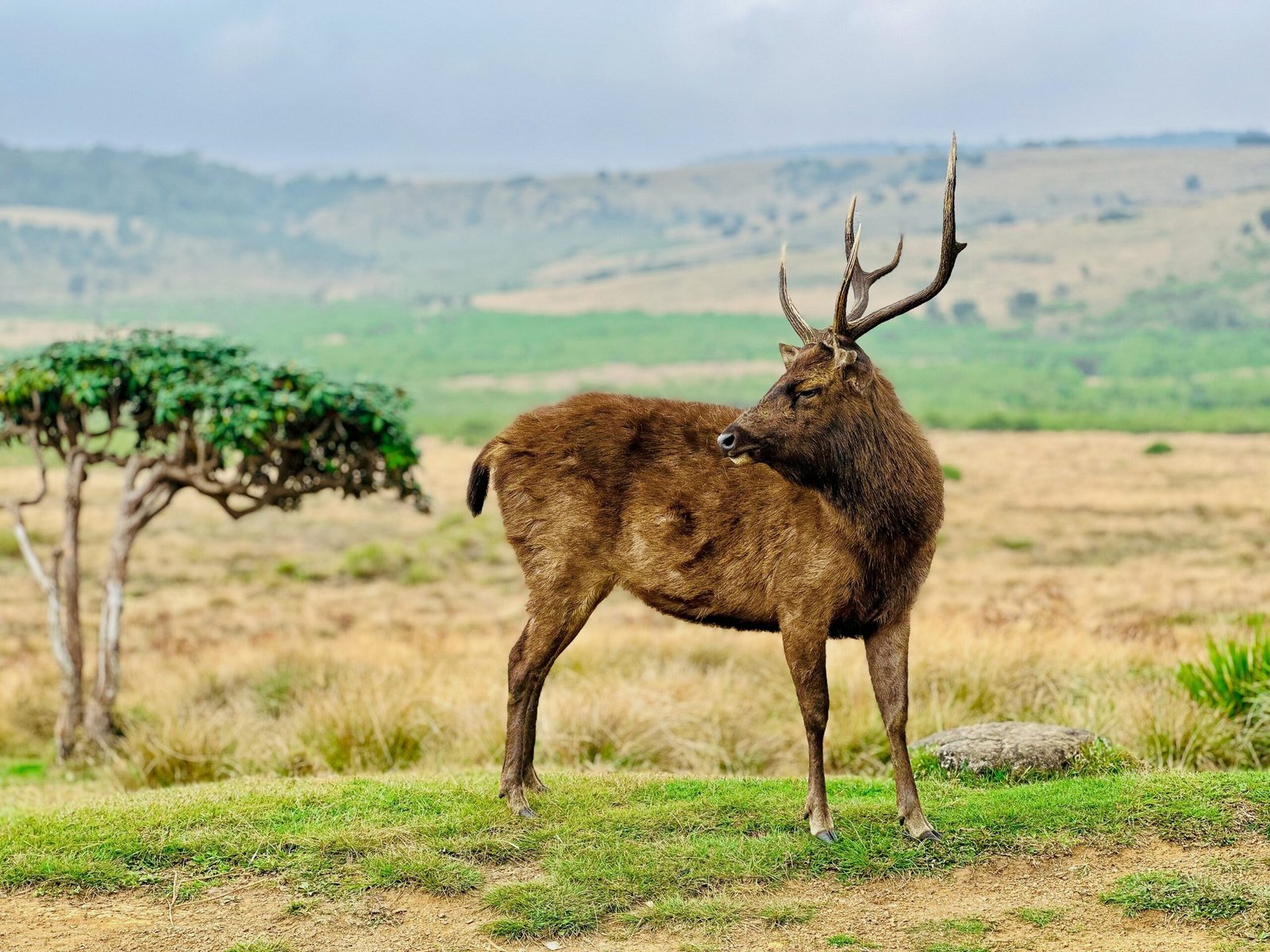
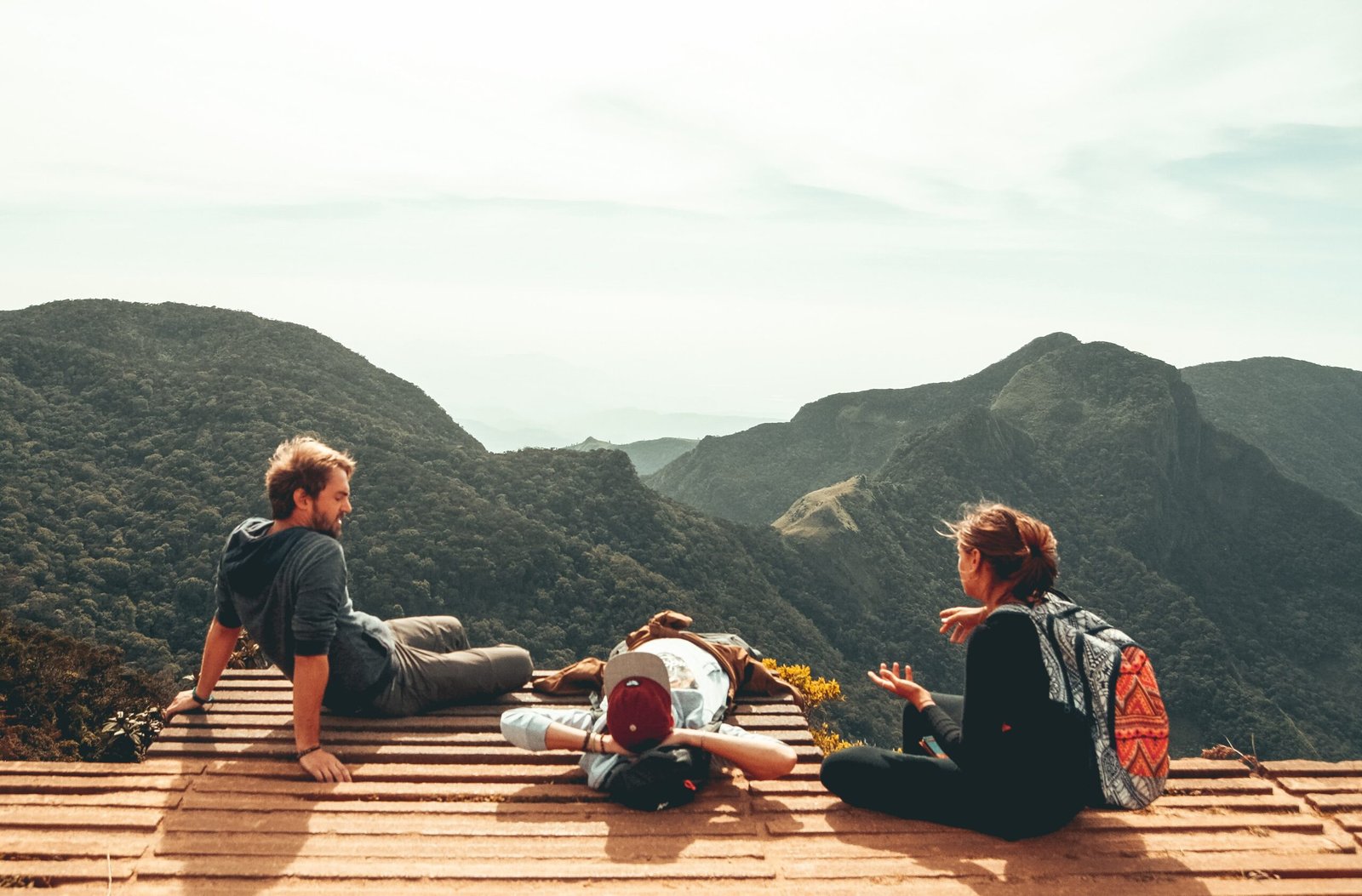
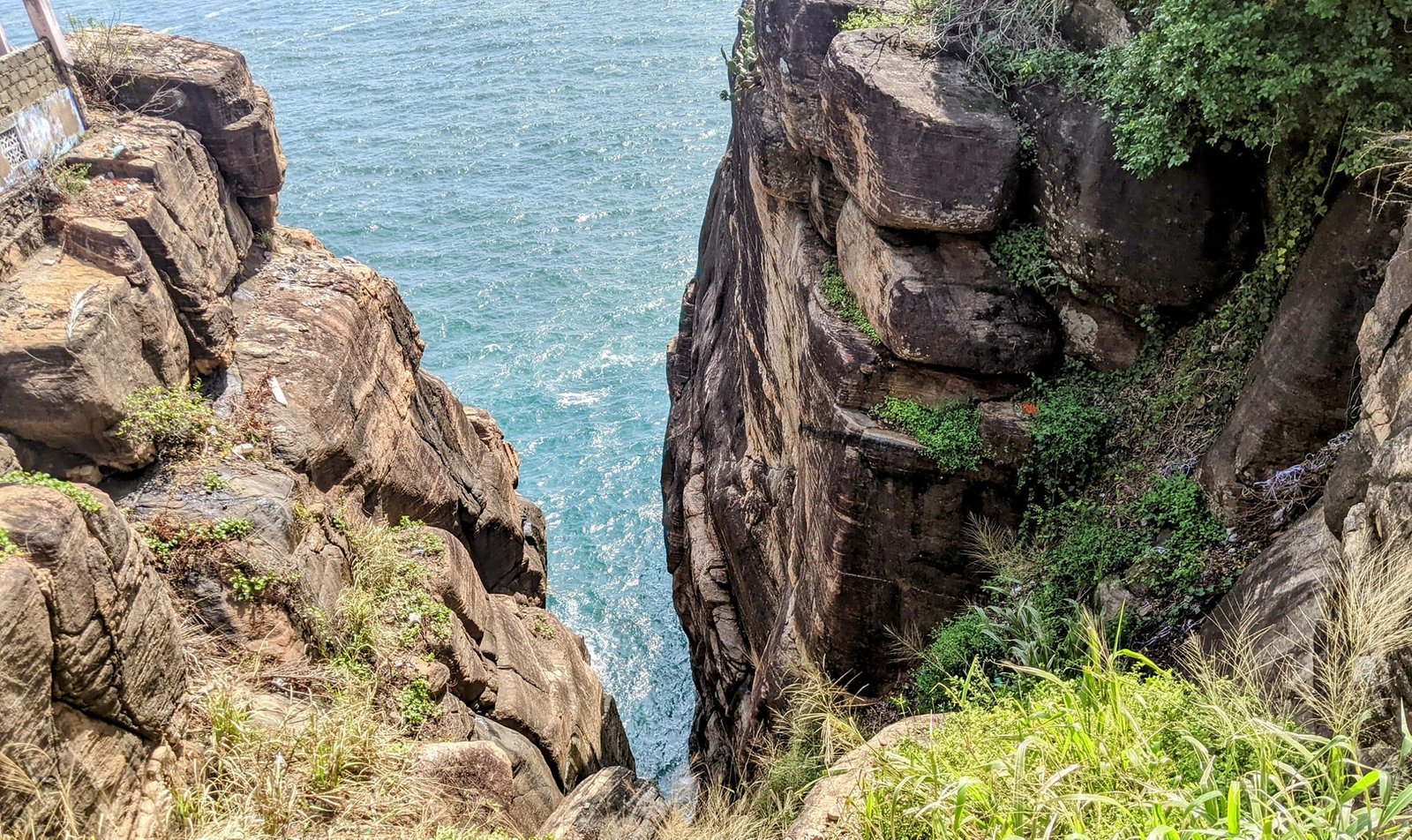
Horton Plains is a highland plateau that feels like a world apart, with windswept grasslands, cloud forests, and herds of sambar deer grazing in silence. It is best known for World’s End, a sheer cliff where the land drops dramatically to the plains nearly a kilometre below. The park is also a haven for endemic species, from the purple-faced langur to the Sri Lankan whistling thrush. Streams here feed rivers that sustain much of the island, making Horton Plains as vital as it is breathtaking.
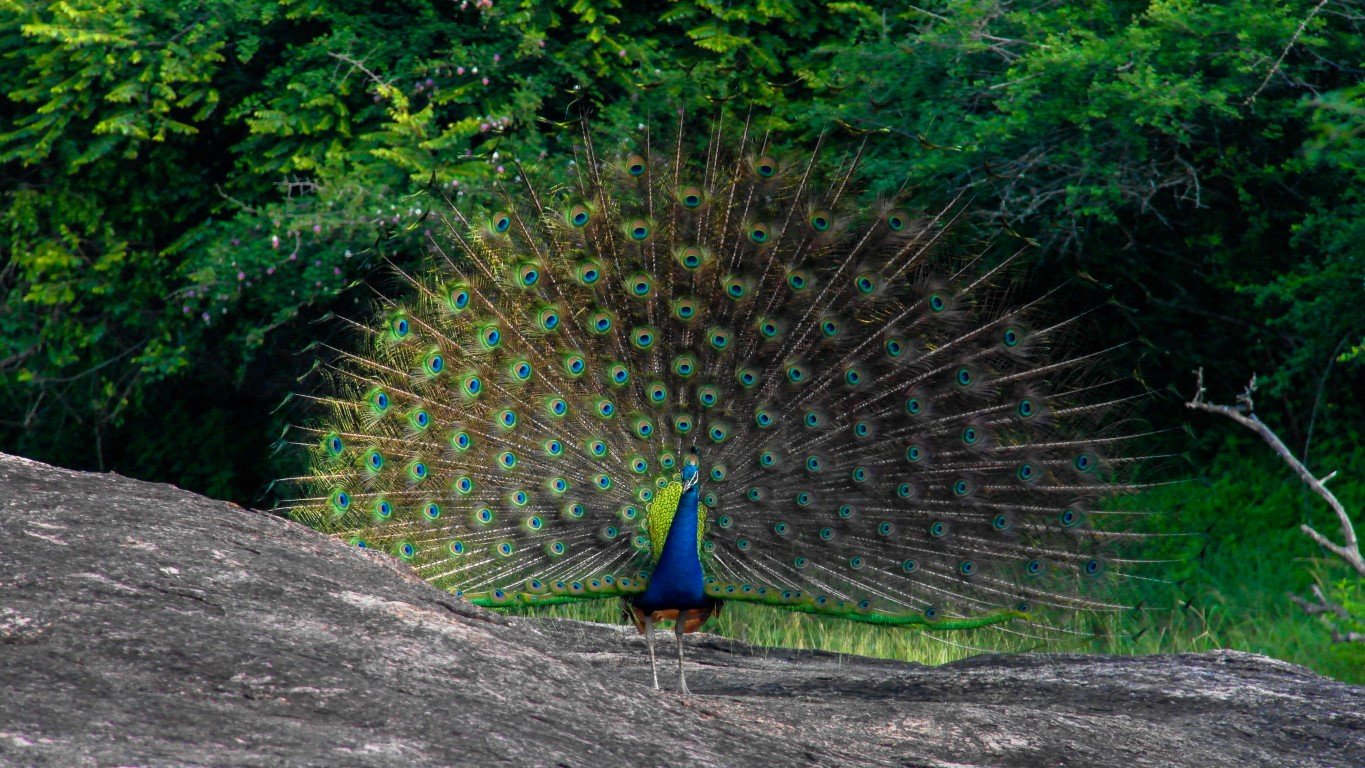
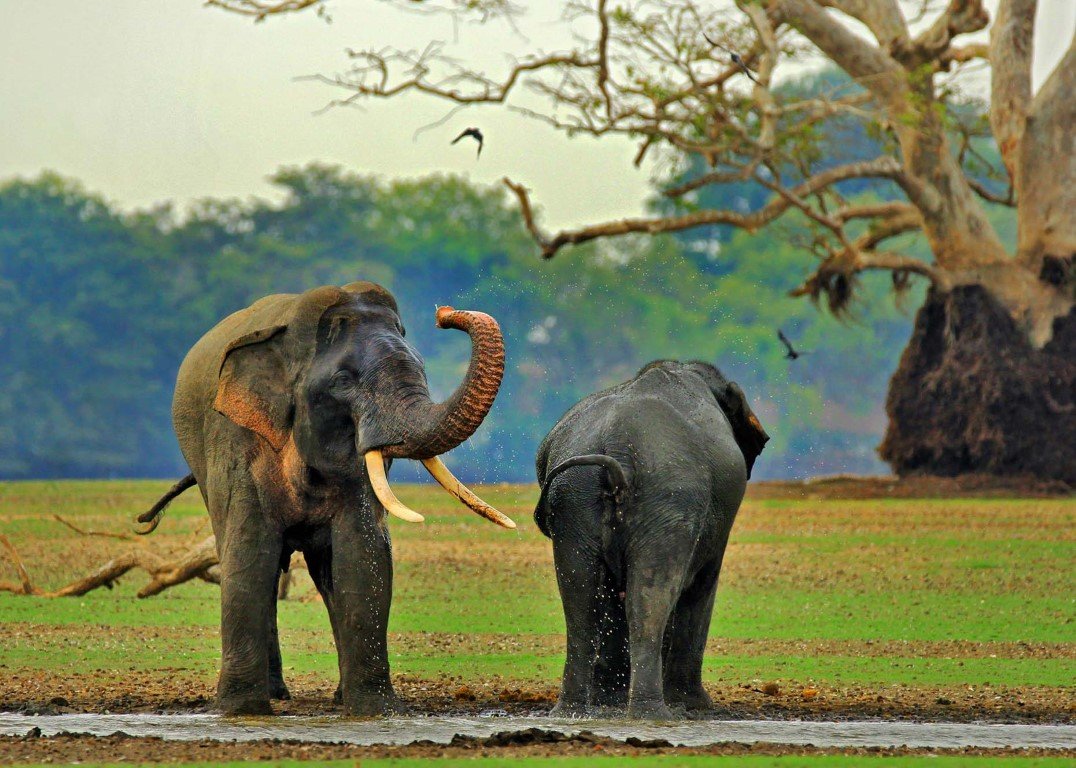
Sri Lanka’s wilderness is a realm where nature still commands its own rhythm, where forests whisper with ancient secrets and plains stretch open to the movement of herds. The island’s national parks and reserves shelter one of the highest rates of biodiversity in Asia, offering travellers a chance to step into landscapes where elephants roam freely, leopards lie hidden in the shadows, and birdsong becomes a constant companion. Each park carries its own personality, shaped by geography and legend, ensuring that no two encounters with the wild ever feel the same.
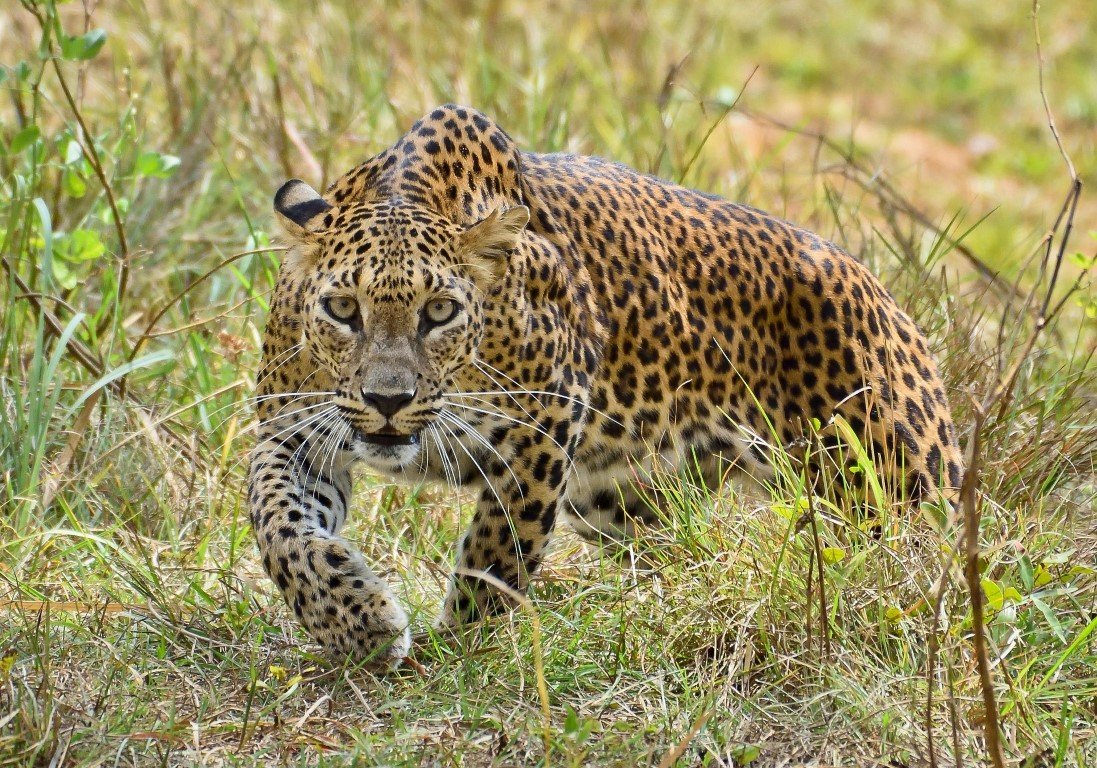
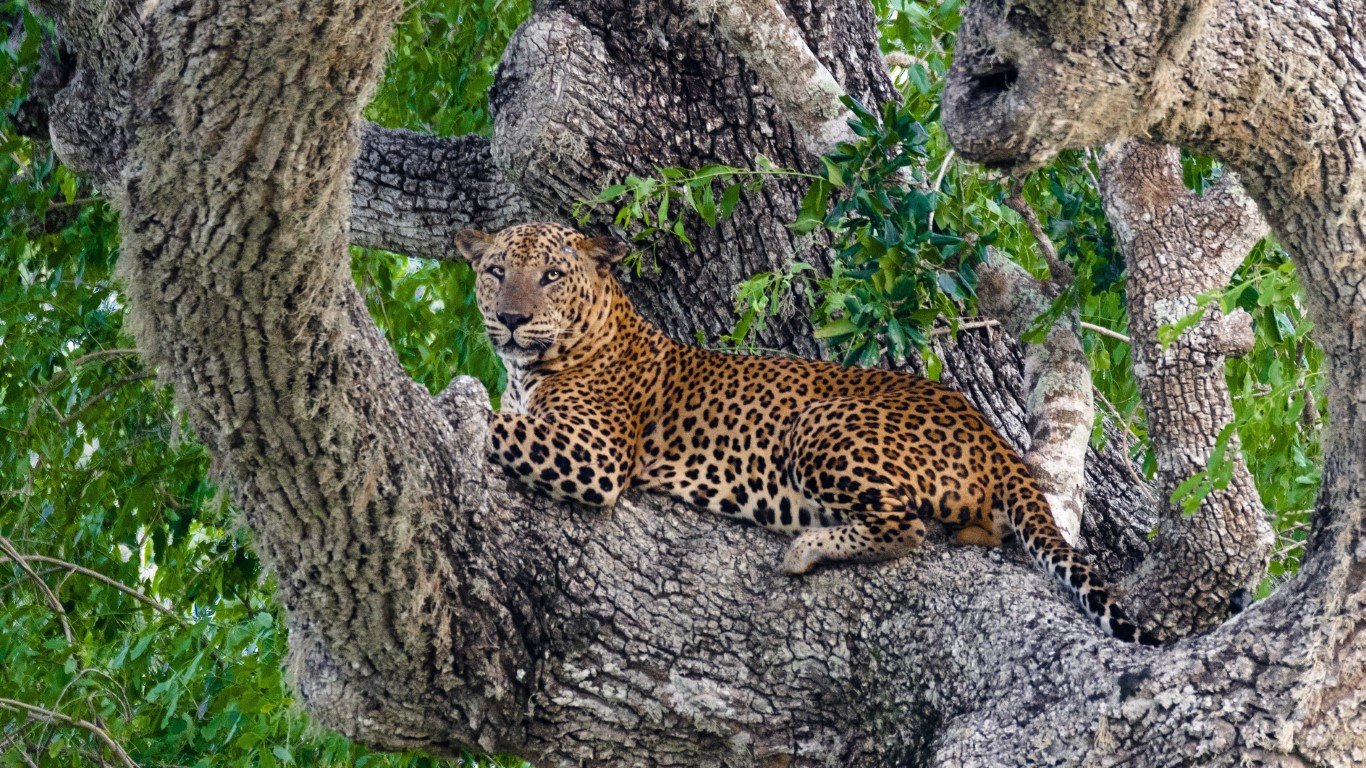
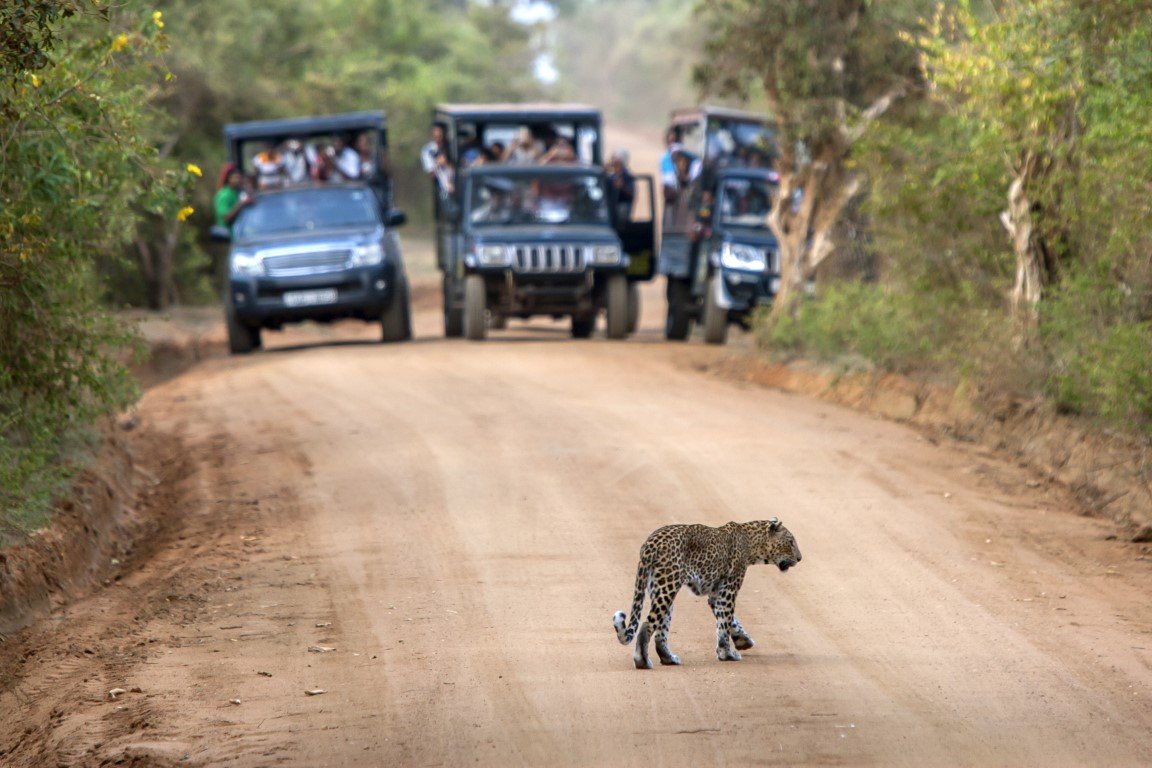
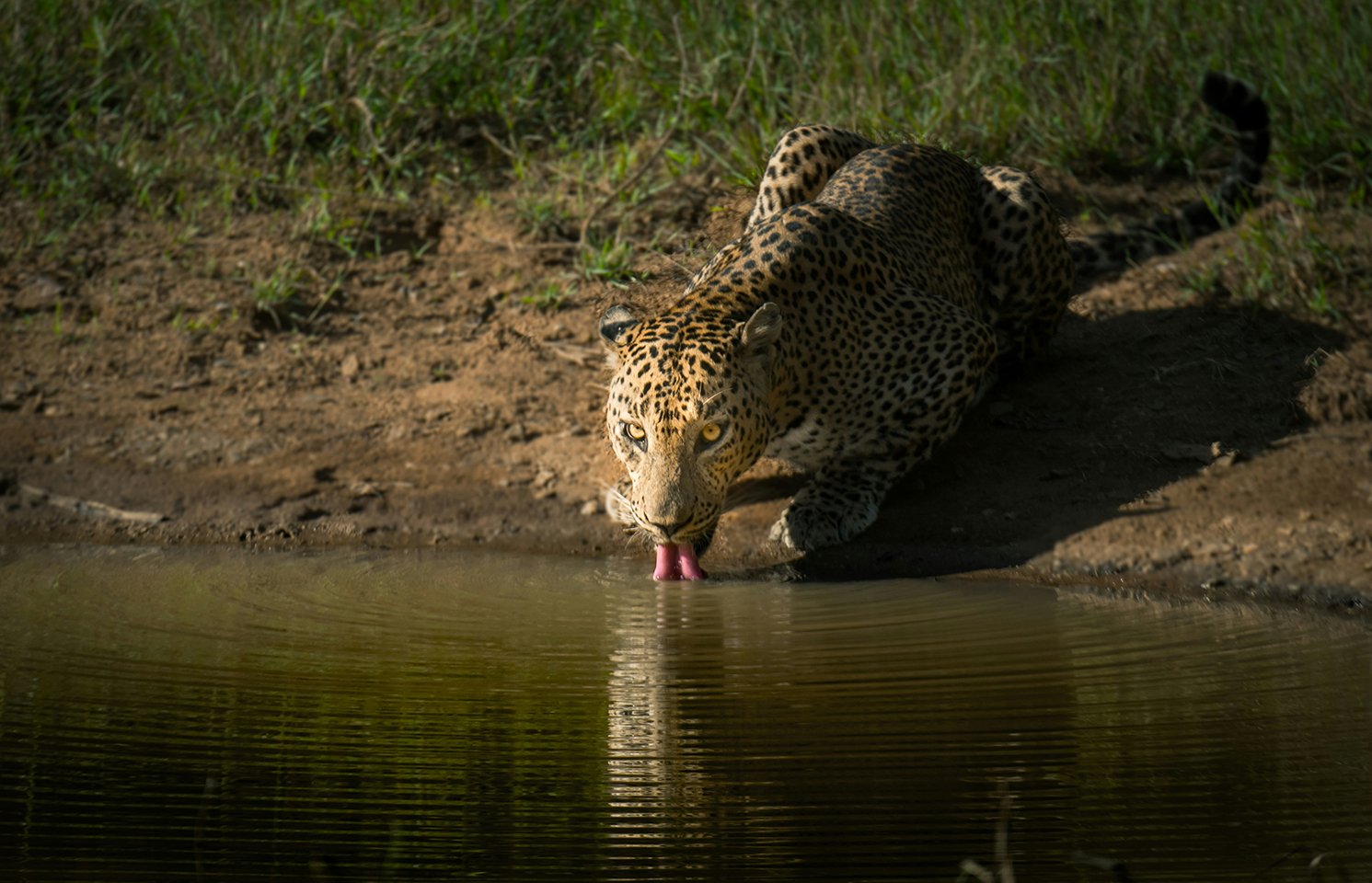
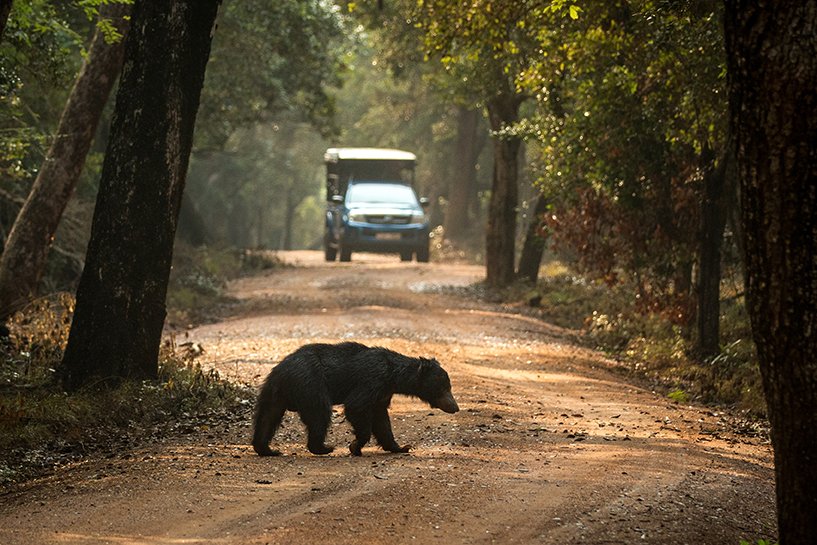
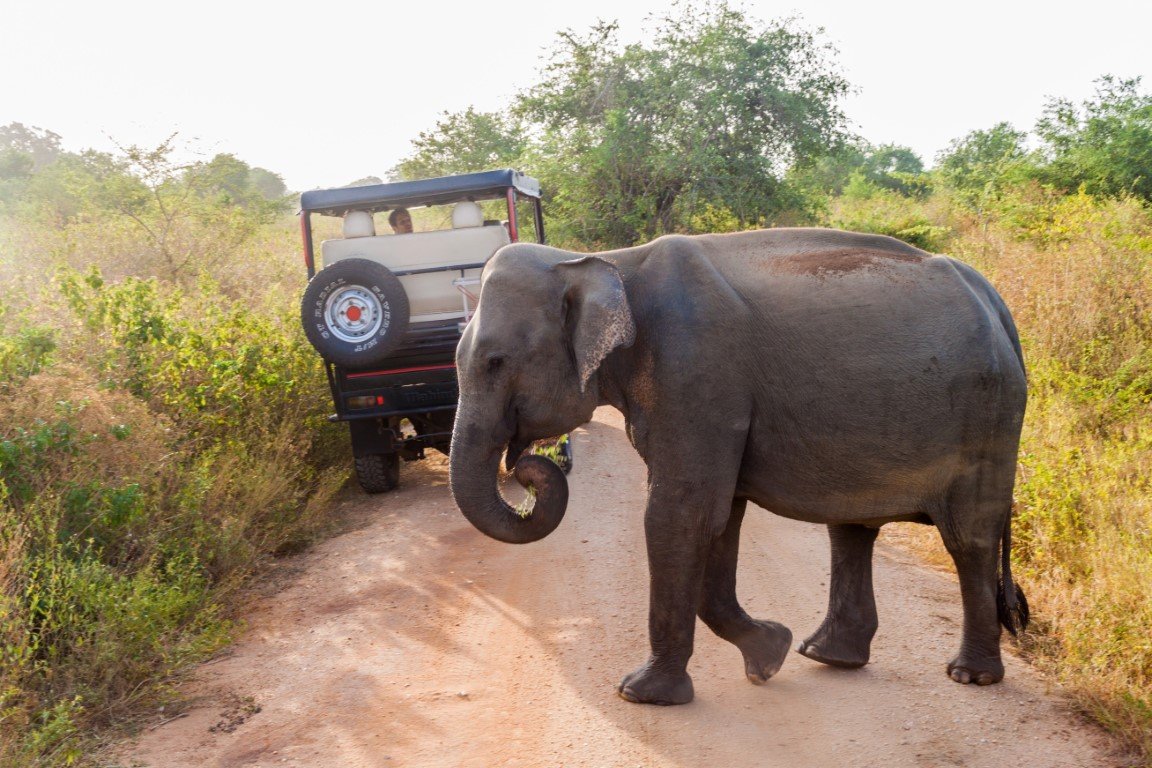
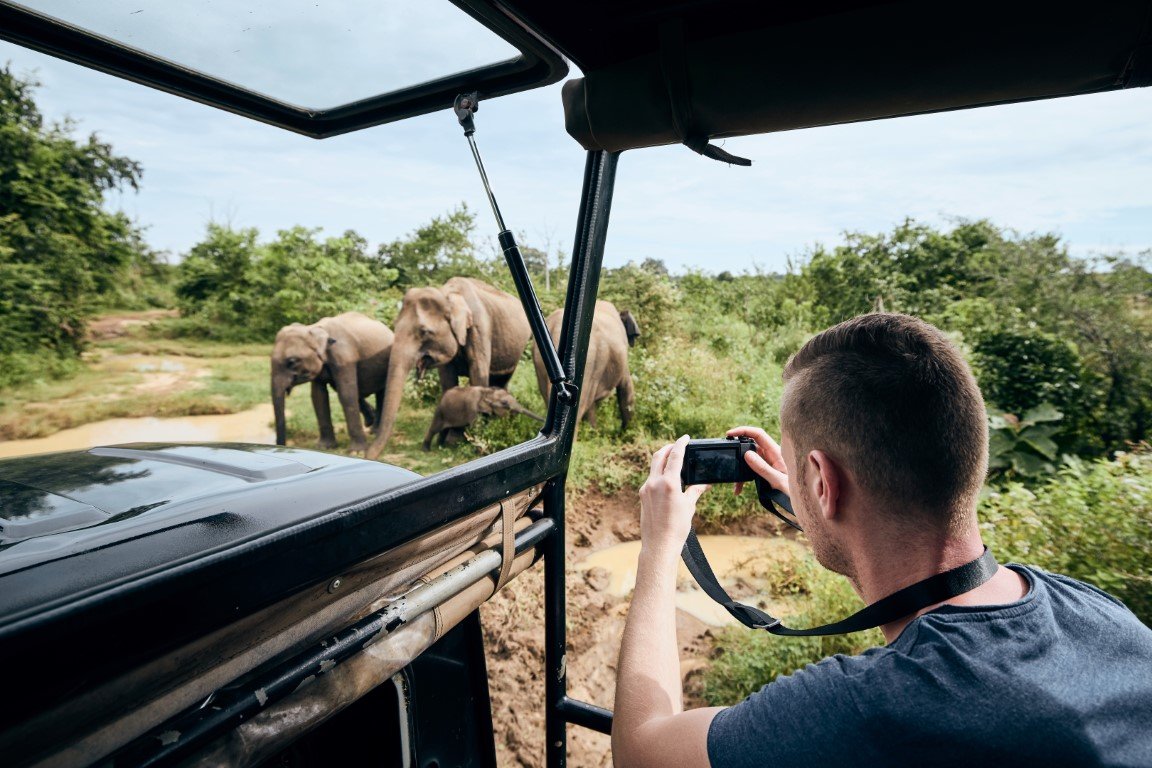
Yala is the island’s most famous reserve, a place where the dry plains and scrub forests provide one of the highest densities of leopards in the world. Jeep safaris often reveal herds of elephants, sloth bears, and crocodiles basking by lagoons. Beyond its wildlife, Yala holds cultural echoes too, with ancient temples and rock inscriptions scattered within its borders. Here, the line between nature and history blurs, offering both thrill and depth to every visit.
Wilpattu, the largest national park in Sri Lanka, is defined by its “villus,” natural sand-rimmed lakes that attract countless species. Its thick forest cover makes animal sightings more elusive than Yala, but the sense of discovery is greater, rewarding patience with glimpses of leopards, deer, and wild elephants. The park is steeped in history, linked to tales from the ancient Mahavamsa chronicle, adding mythic resonance to its wilderness. Wilpattu is a place for those who seek the quiet grandeur of the untamed.
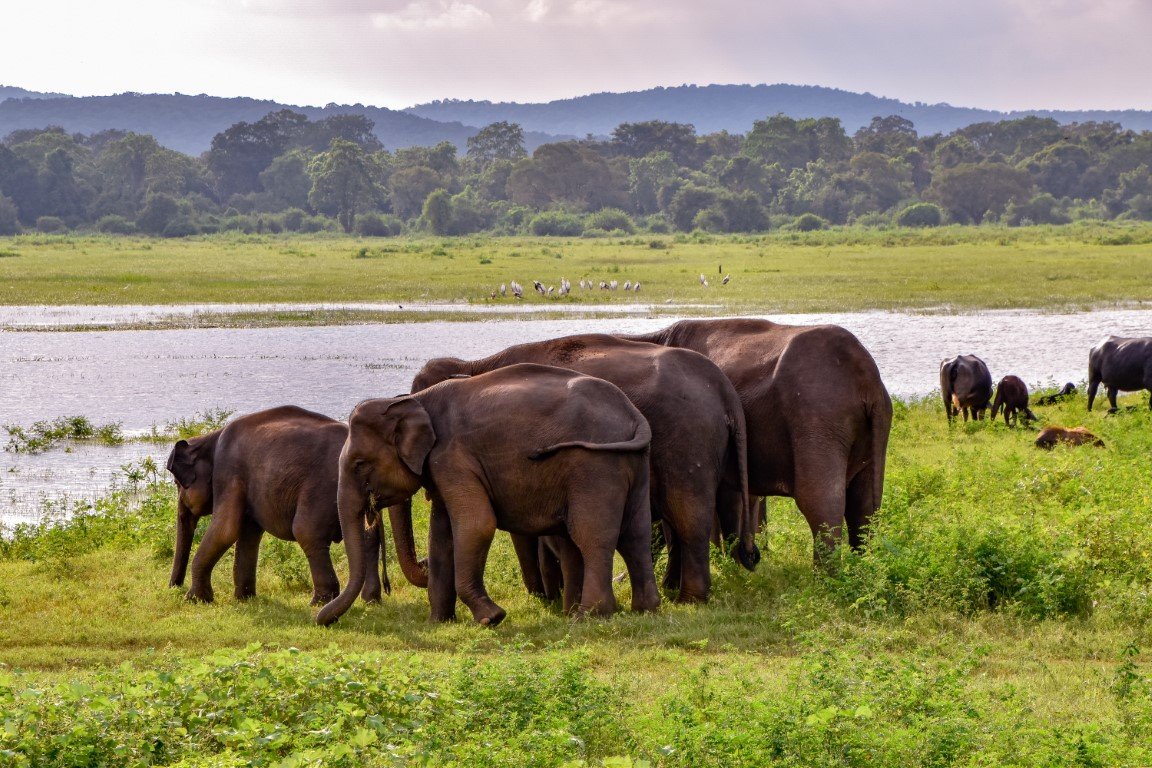
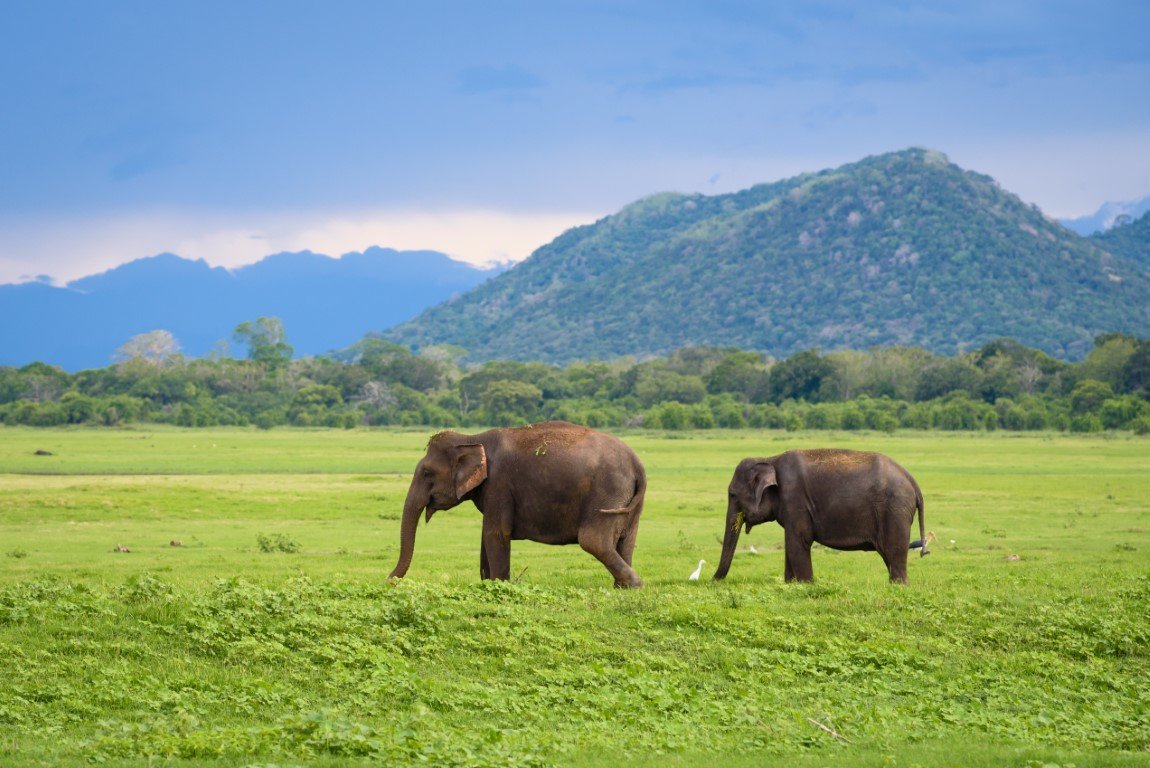
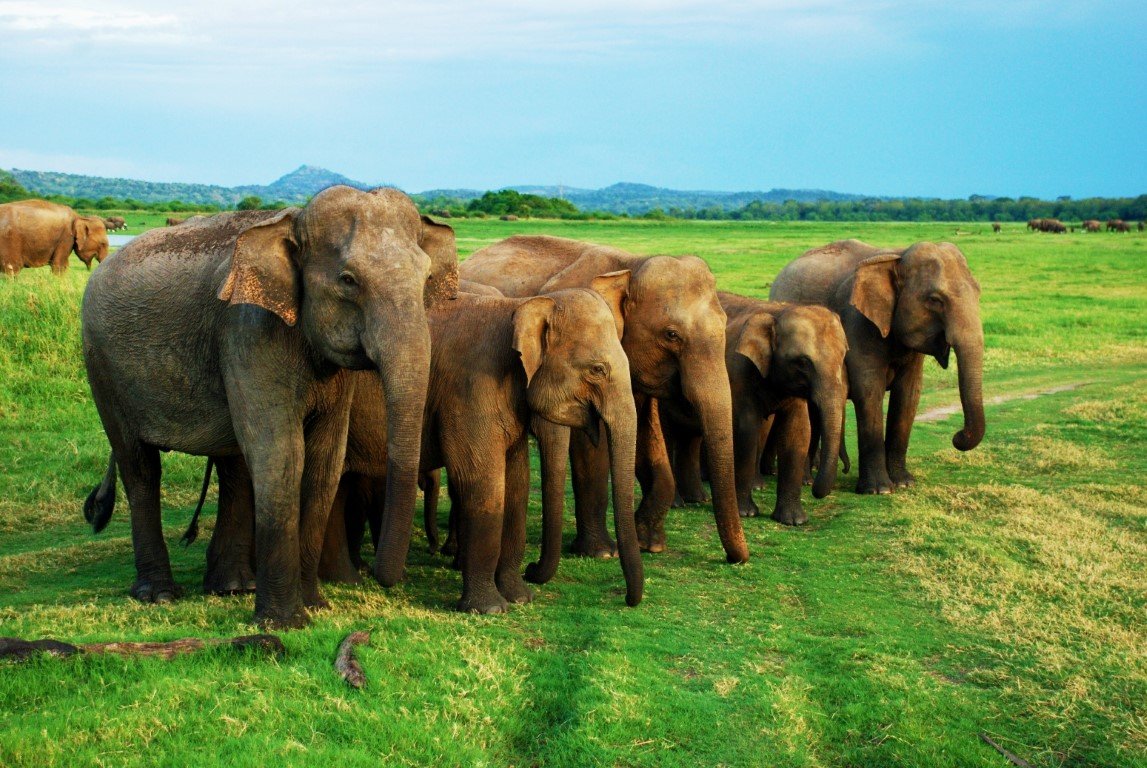
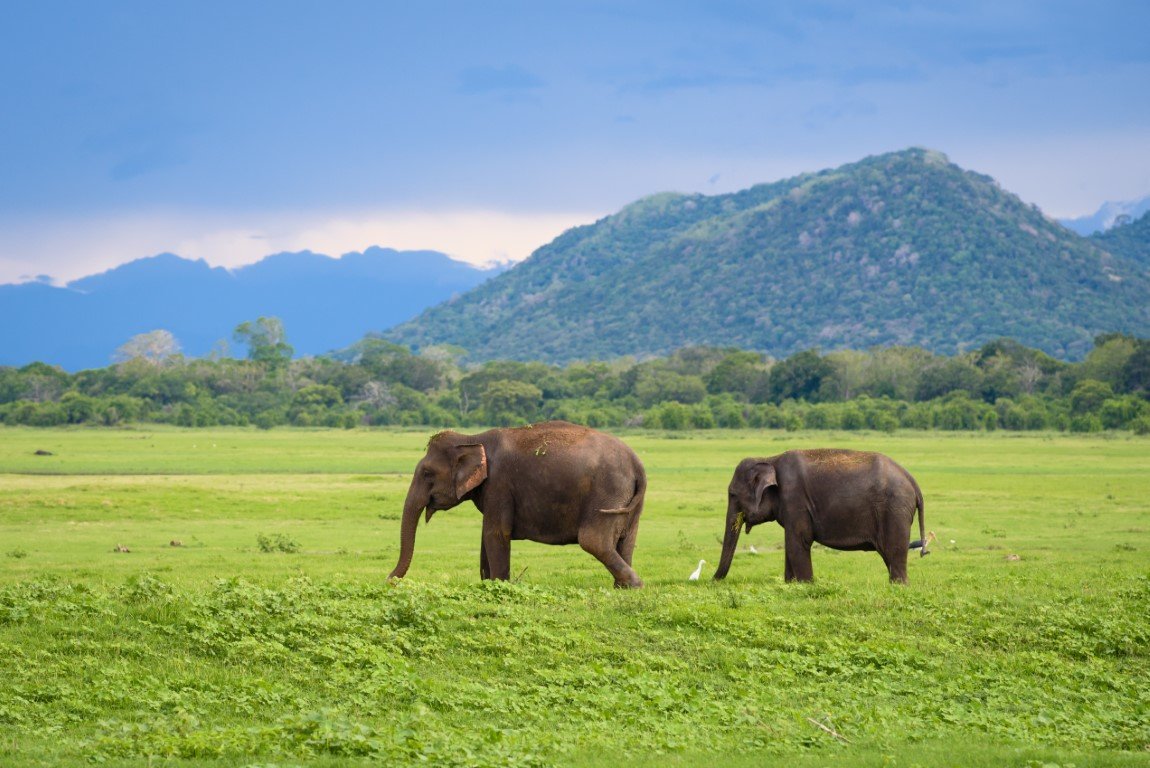
Udawalawe is best known as the land of elephants, home to herds that can be observed in remarkable numbers against a backdrop of open grassland. The park was created around a reservoir, which serves as a lifeline for both animals and migratory birds. It is also closely tied to conservation through the Udawalawe Elephant Transit Home, where orphaned calves are rehabilitated before returning to the wild. For many, Udawalawe offers one of the most intimate and reliable encounters with these giants of the island.
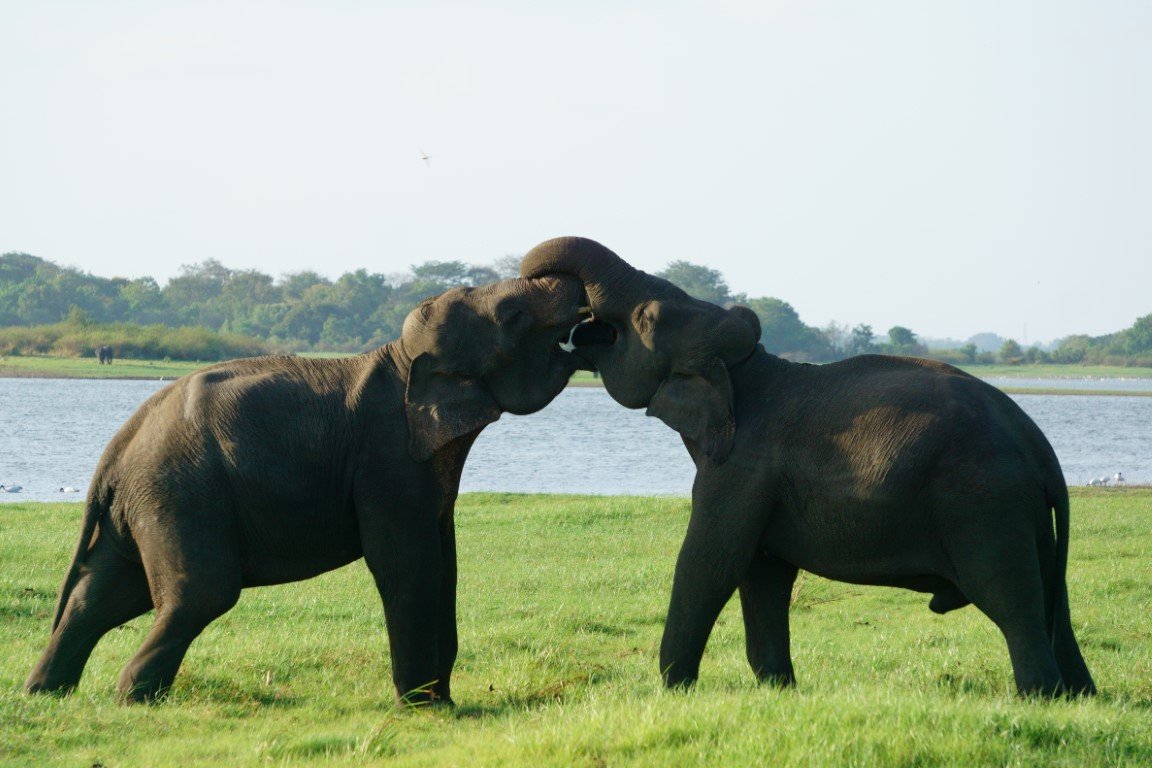
Minneriya is famed for the “Gathering,” a seasonal spectacle where hundreds of wild elephants converge on the park’s ancient reservoir during the dry months. This phenomenon, one of the largest gatherings of Asian elephants in the world, transforms the plains into a moving sea of trunks and tusks. The park is also rich in birdlife, deer, and macaques, thriving within landscapes once designed by ancient kings for irrigation. Minneriya is not only a natural wonder but also a testament to the harmony between history and ecology.
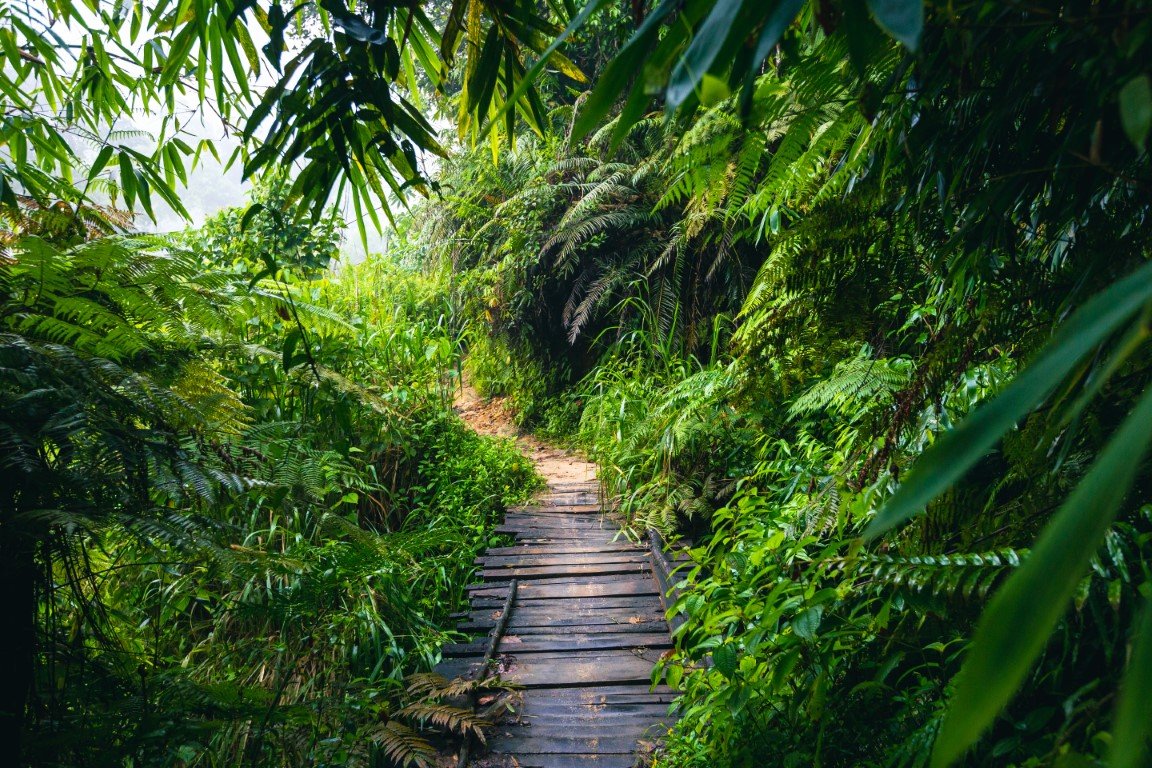
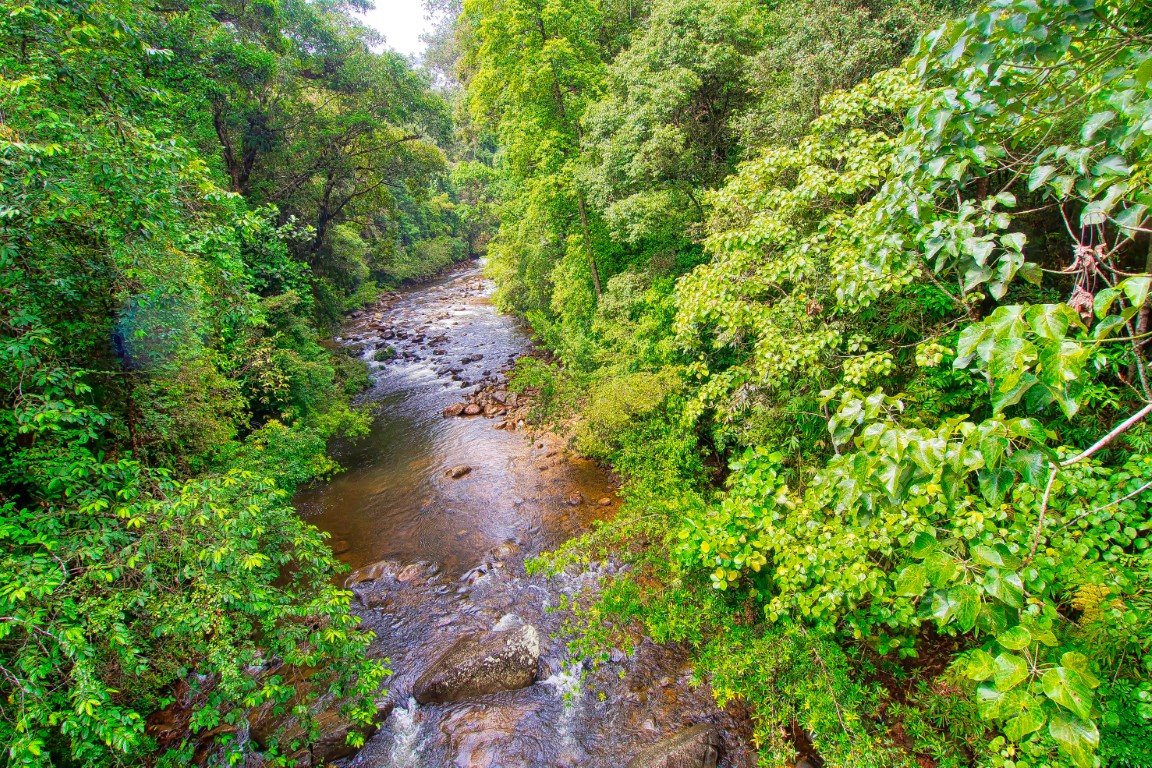
Sinharaja, meaning “Lion Kingdom,” is Sri Lanka’s last great stretch of primary rainforest and a UNESCO World Heritage site. Its dense canopy shelters rare and endemic species, including the purple-faced langur, the green-billed coucal, and vibrant mixed-species flocks of birds that move through the trees like shifting rainbows. The forest floor is alive with ferns, orchids, and streams that glisten in the filtered light. Walking through Sinharaja is less a safari than a pilgrimage into a living cathedral of biodiversity.
Sri Lanka’s coastline is not a single story but a collection of shifting moods shaped by monsoons, tides and centuries of history. The western and southern shores glow with sunset-colored evenings and lively beach towns, while the east and north open up to quieter lagoons and powdery sands where the sun rises over the Indian Ocean. Here, fishermen still set sail in outrigger canoes at dawn, colonial forts stand guard over the waves, and coral reefs host a kaleidoscope of marine life. To walk the island’s coast is to discover more than beauty; it is to glimpse how nature, culture and history intertwine in every curve of the shore.
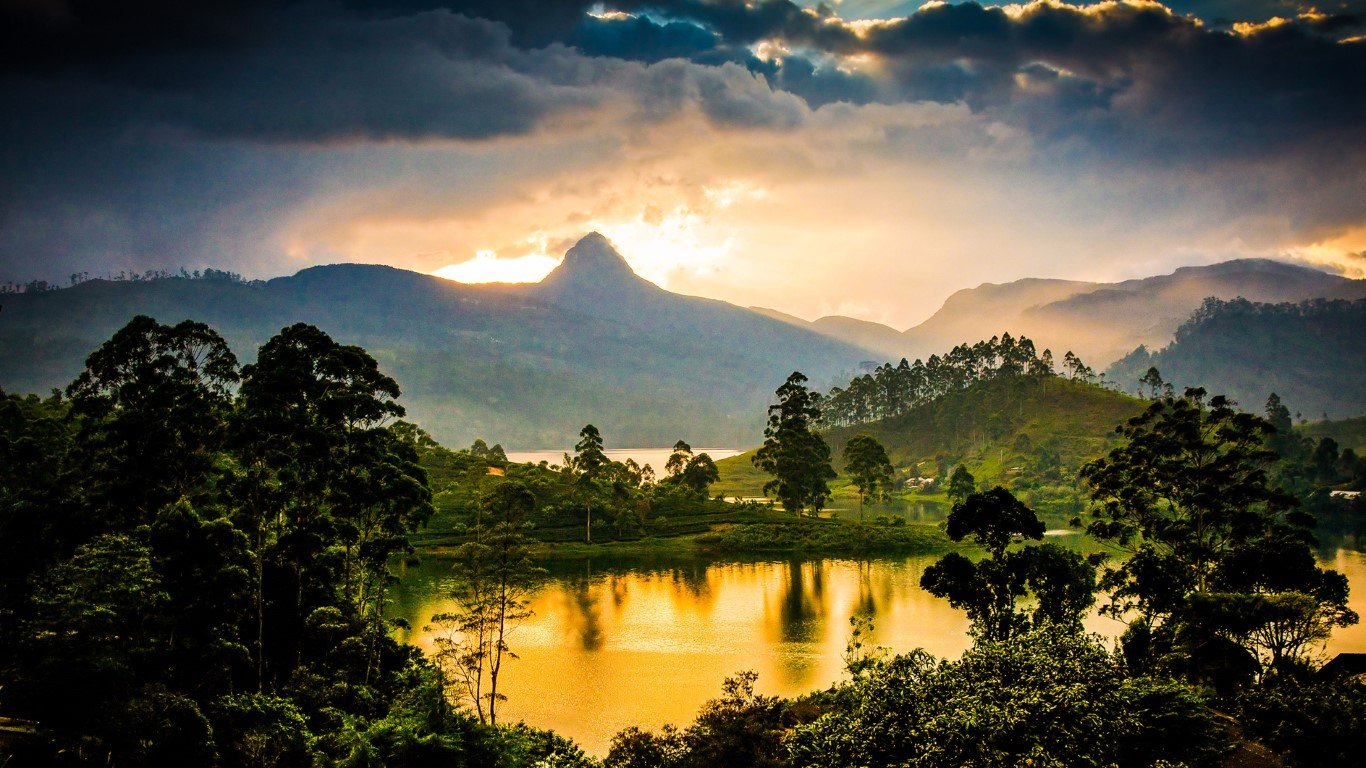
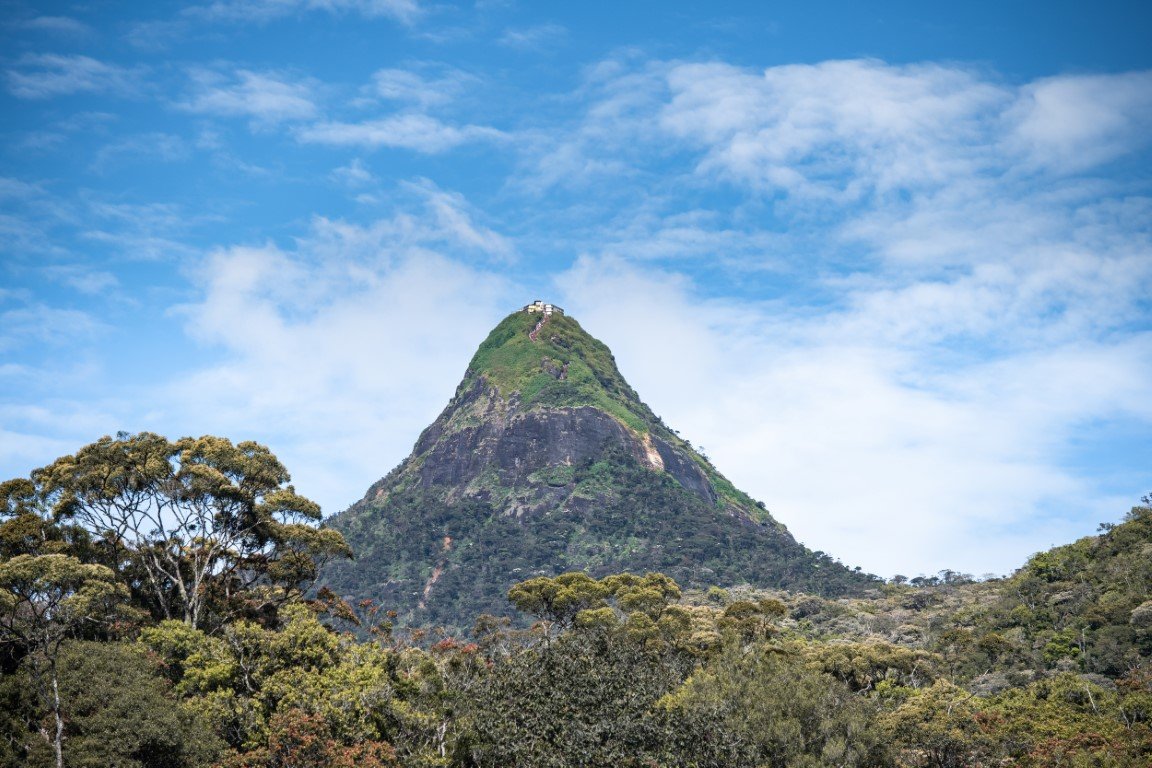
Adam’s Peak, or Sri Pada, rises above the central highlands with a silhouette revered by multiple faiths. At its summit lies the sacred footprint, believed by Buddhists to be that of the Buddha, by Hindus to be Shiva’s, and by Christians and Muslims to be Adam’s. Pilgrims climb by starlight during the season, lanterns lining the path like a ribbon of fire, and at dawn the mountain casts a triangular shadow across the plains. The journey is as profound as the destination, a blending of devotion and endurance.
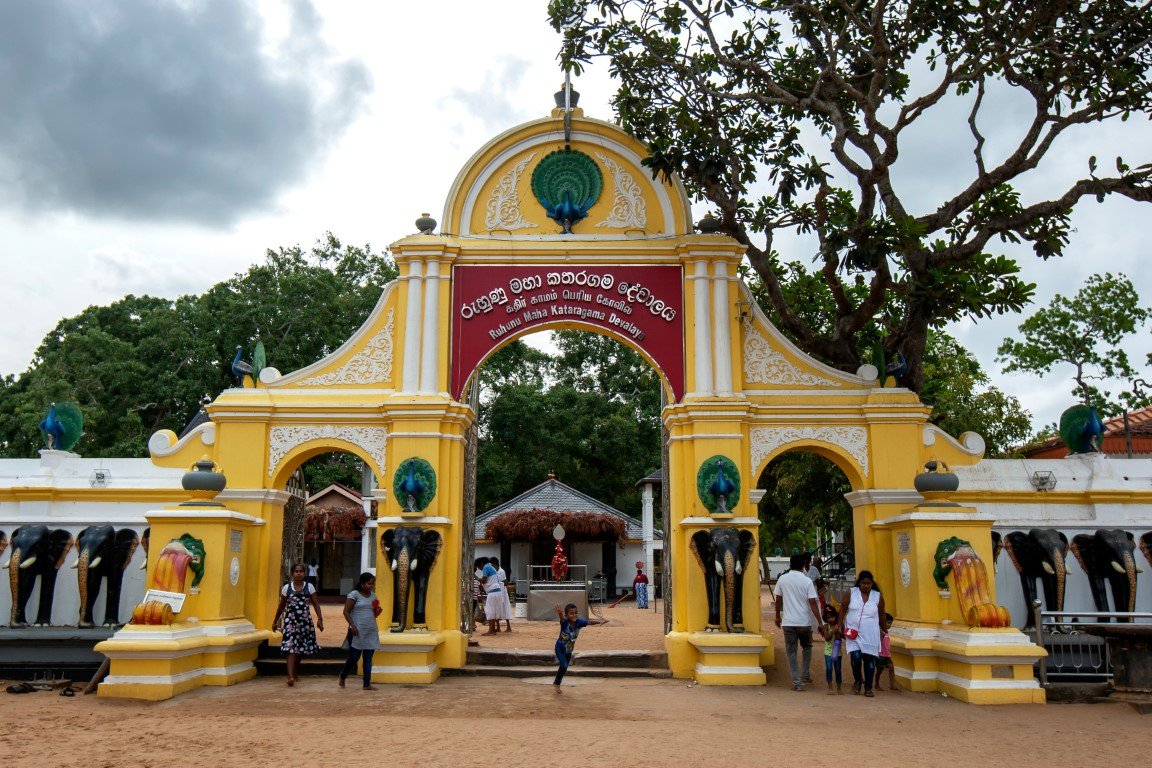
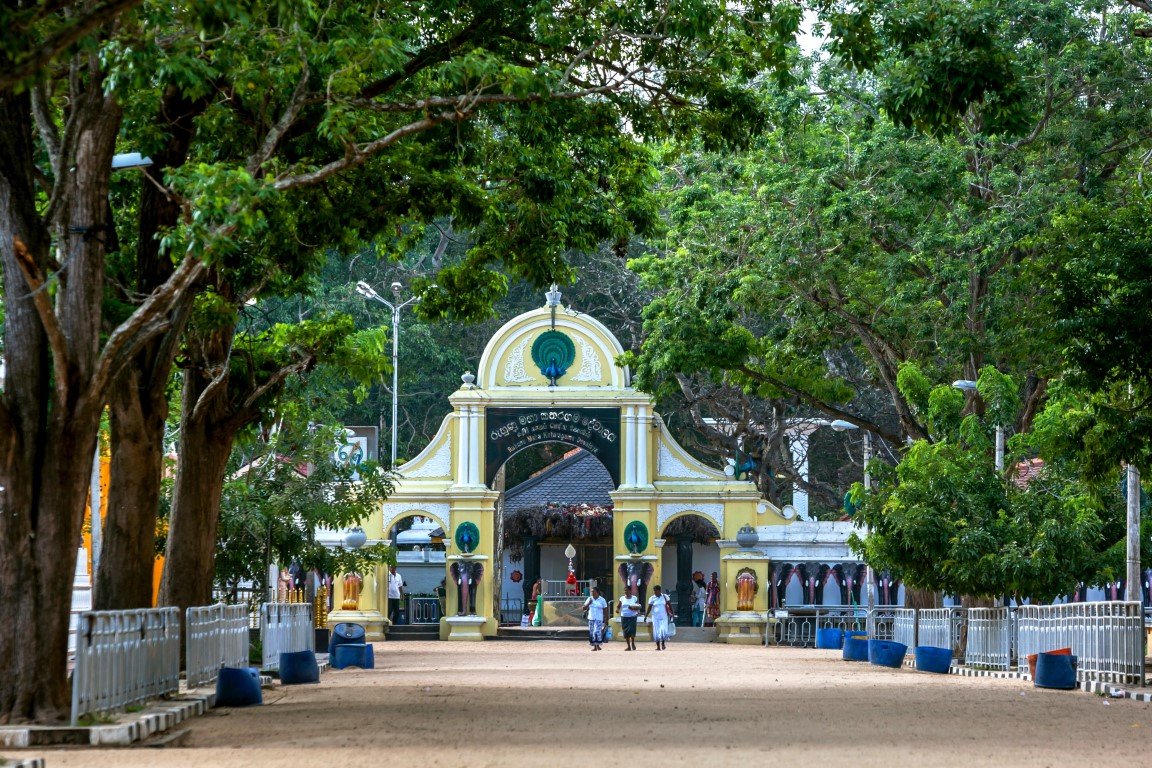
Kataragama is one of Sri Lanka’s most powerful centres of worship, venerated by Buddhists, Hindus, Muslims, and even the indigenous Vedda people. The temple complex honours Skanda, the god of war and victory, and each July the Esala festival brings fire-walkers, kavadi dancers, and pilgrims who arrive barefoot after weeks of devotion. Set by the Menik Ganga River, Kataragama is a place where ritual and mythology converge, embodying harmony among different faiths.
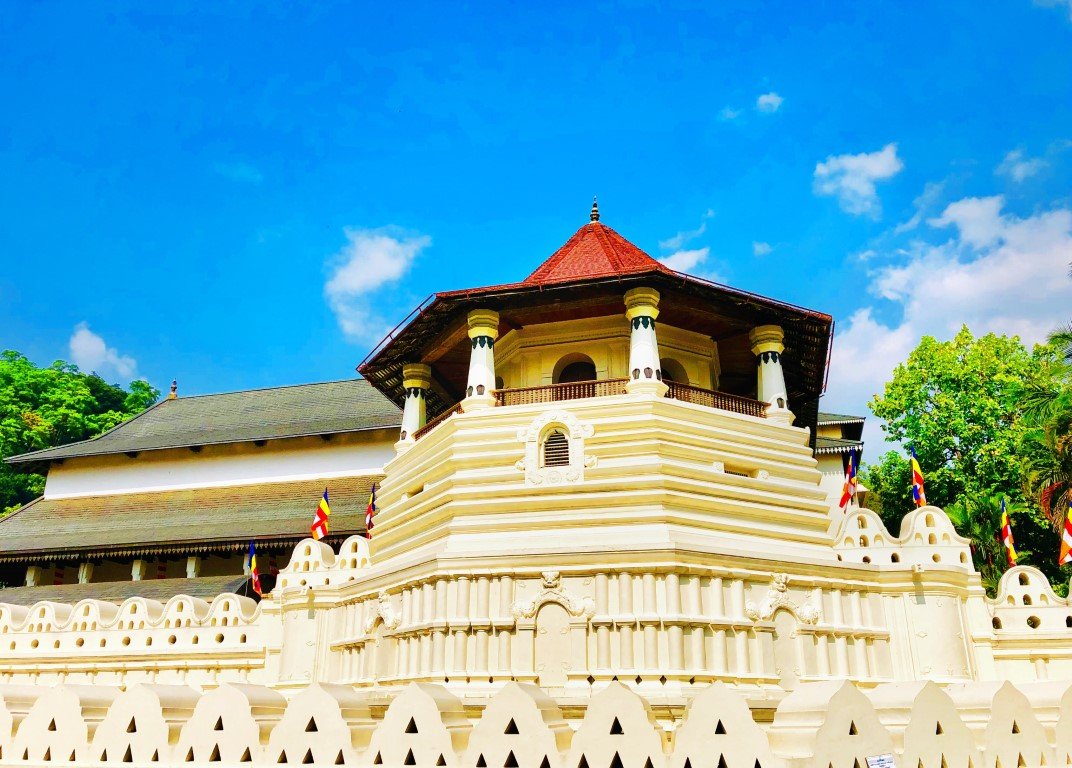
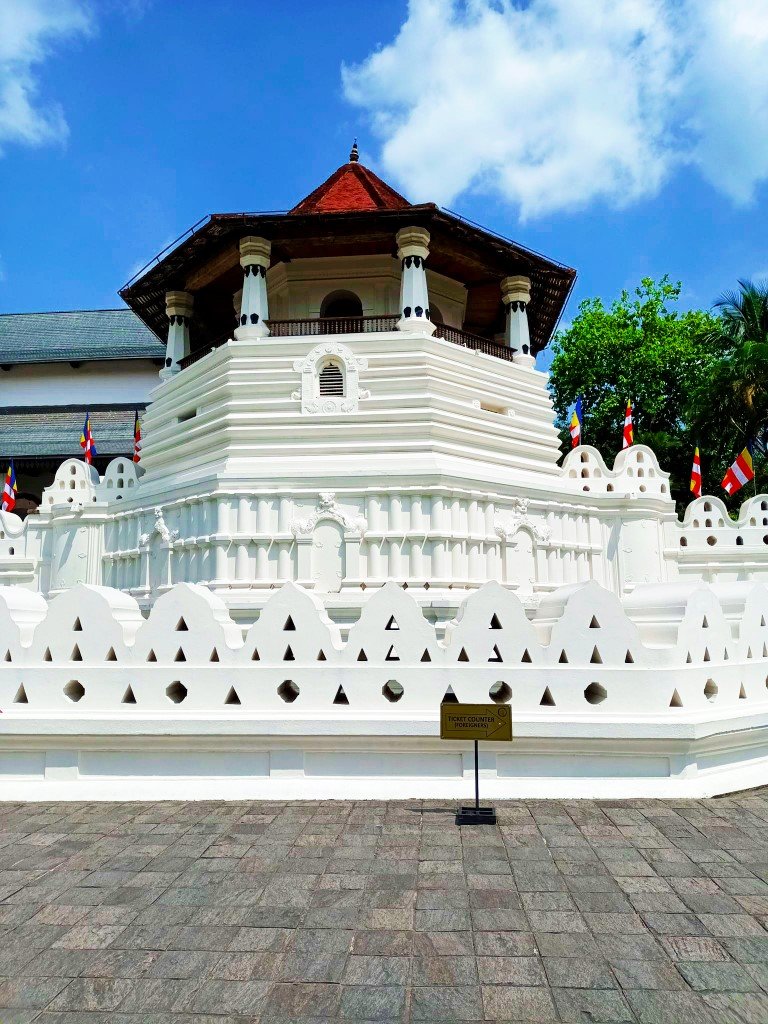
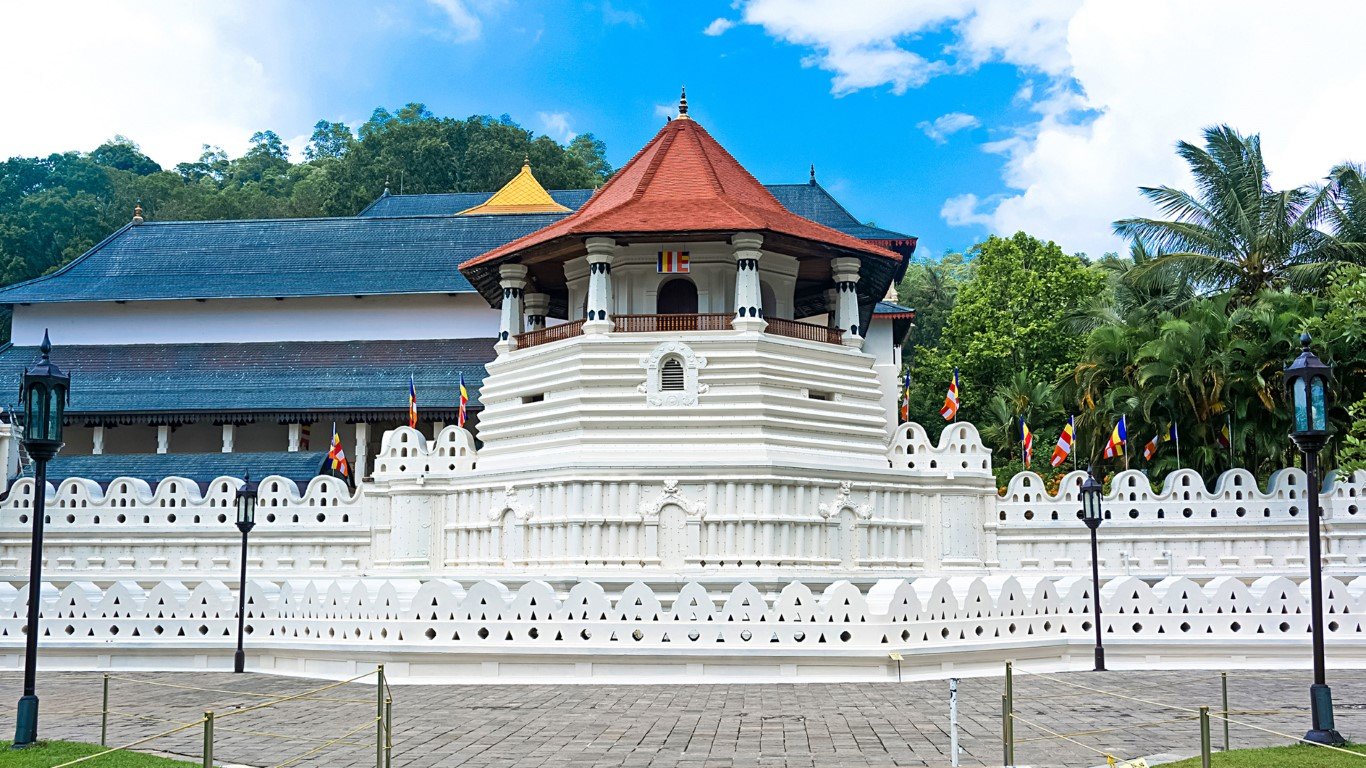
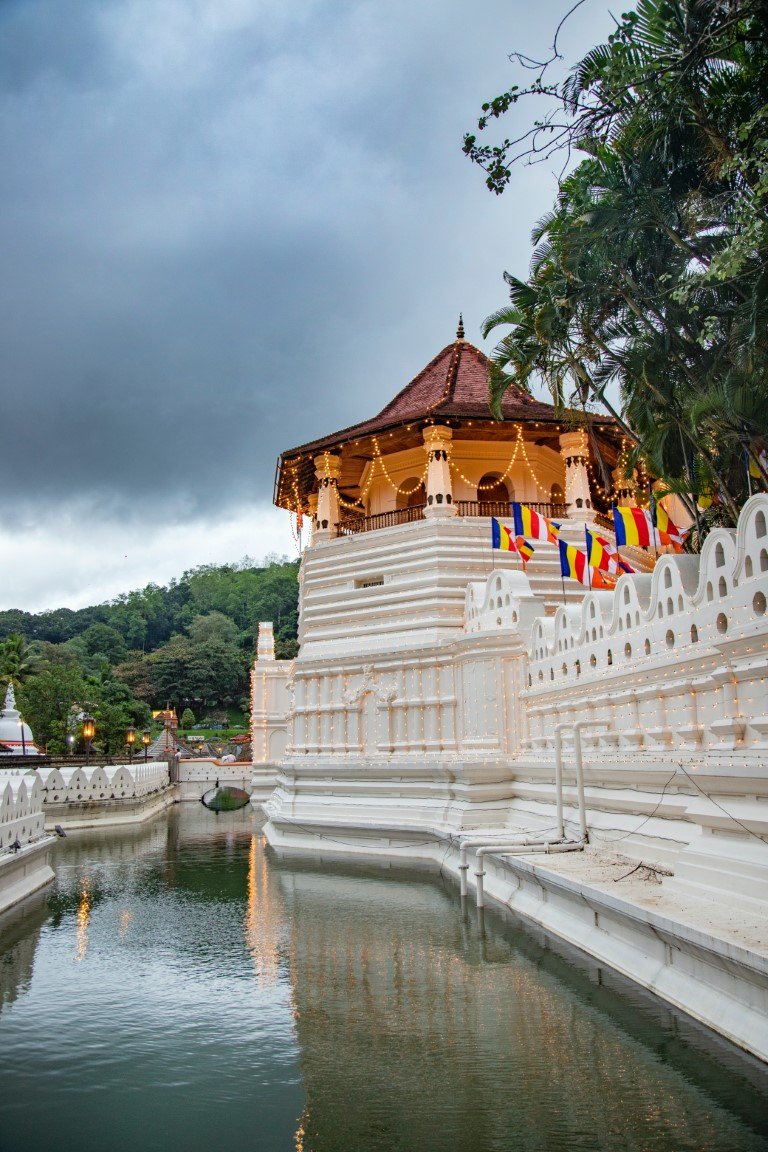
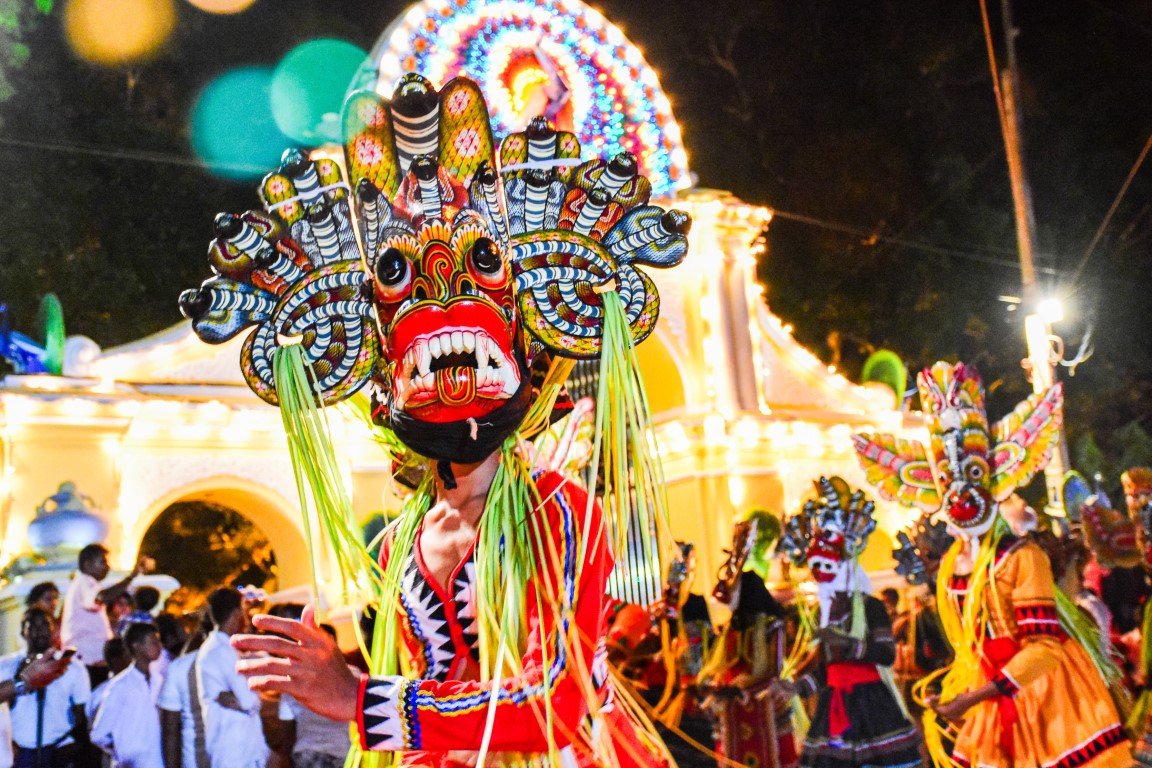
The Temple of the Tooth, or Sri Dalada Maligawa, is the spiritual heart of Kandy and one of the most significant Buddhist sites in the world. It houses the relic of the Buddha’s tooth, safeguarded in a golden casket within a richly adorned shrine. Daily rituals, drumming, and offerings maintain centuries-old traditions, while the annual Esala Perahera brings the city alive with processions of dancers, elephants, and torchbearers. The temple is not only a place of worship but also a symbol of the island’s cultural identity.
Koneshwaram Temple sits on Swami Rock, a dramatic headland overlooking the Bay of Trincomalee. Dedicated to Lord Shiva, it has long been a place of pilgrimage and a centre of Saivite devotion. Its history spans millennia, with ancient references in Tamil literature and myths that tie the site to gods and kings. Today, the temple remains both a place of prayer and a vantage point where the ocean and sky meet in breathtaking harmony.
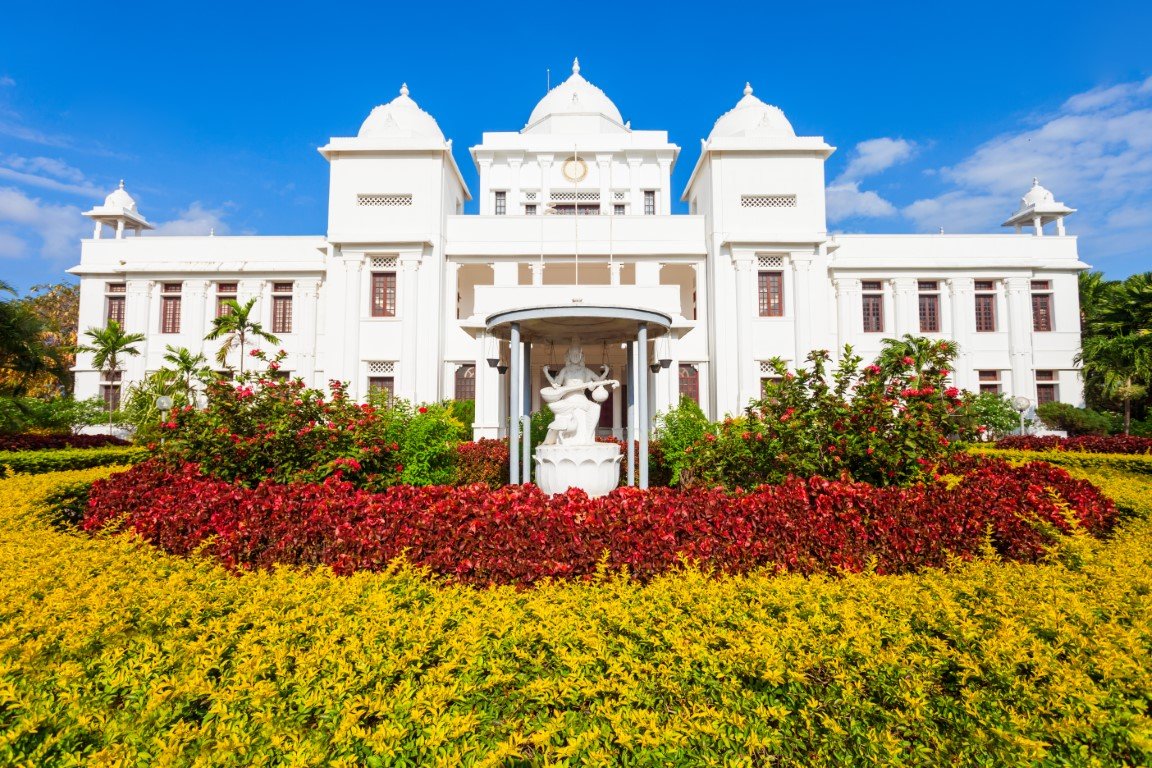
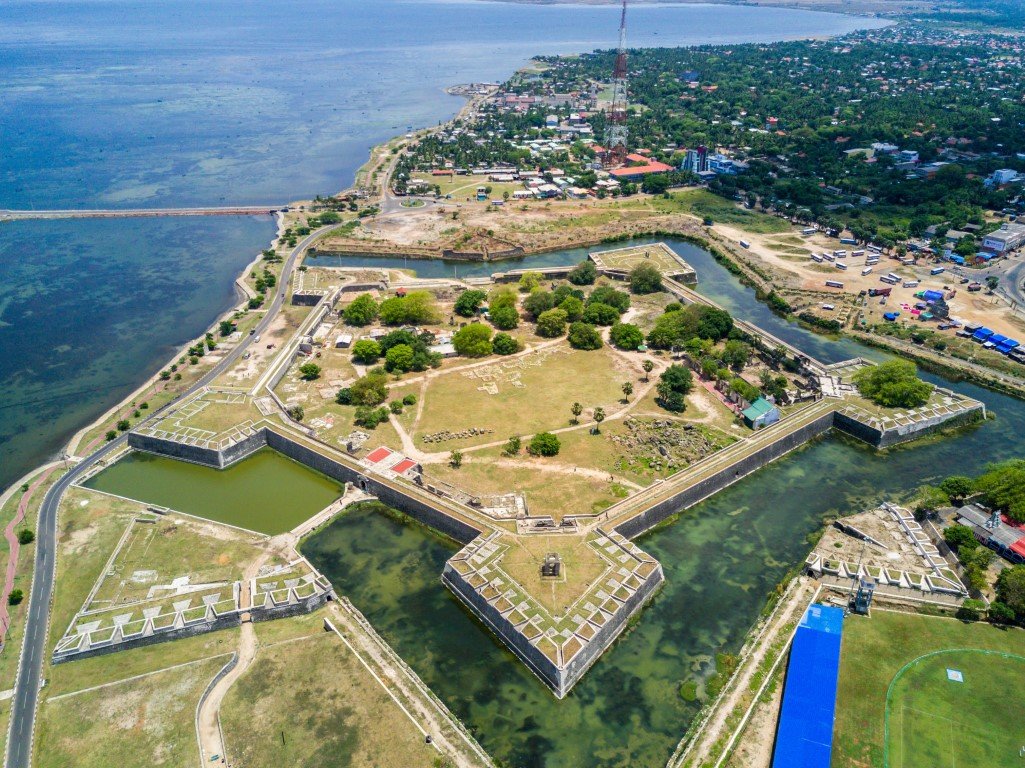
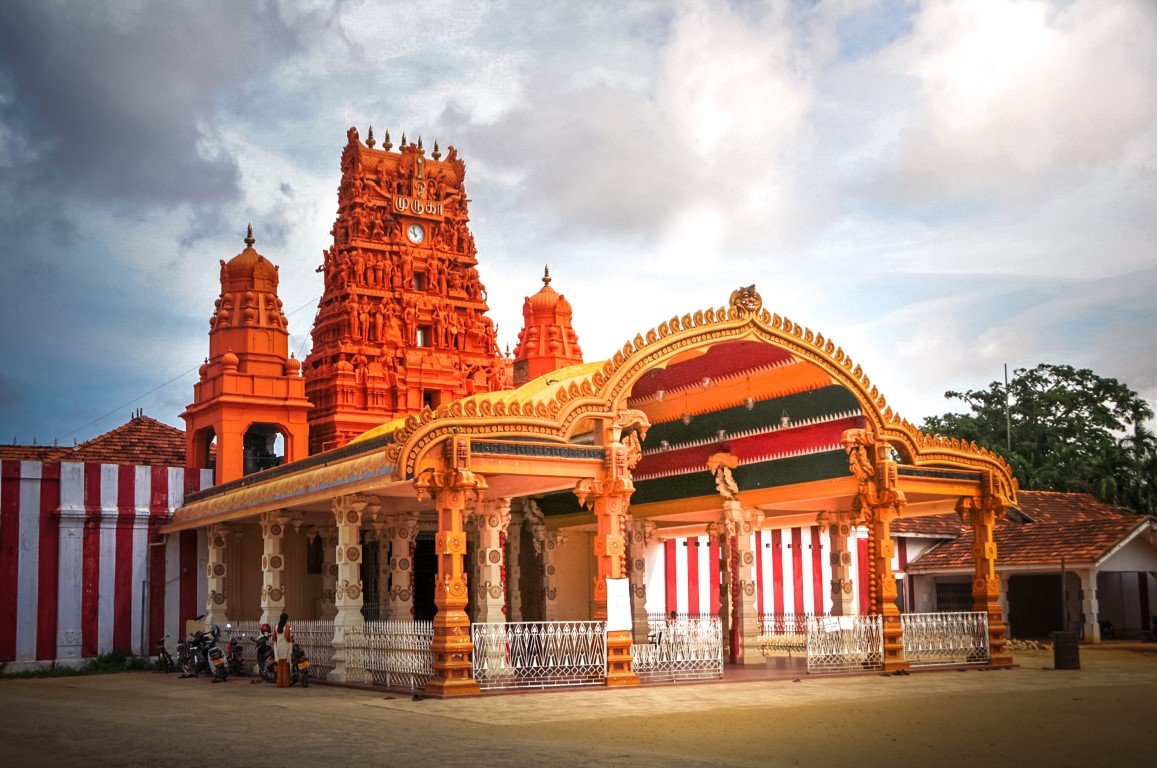
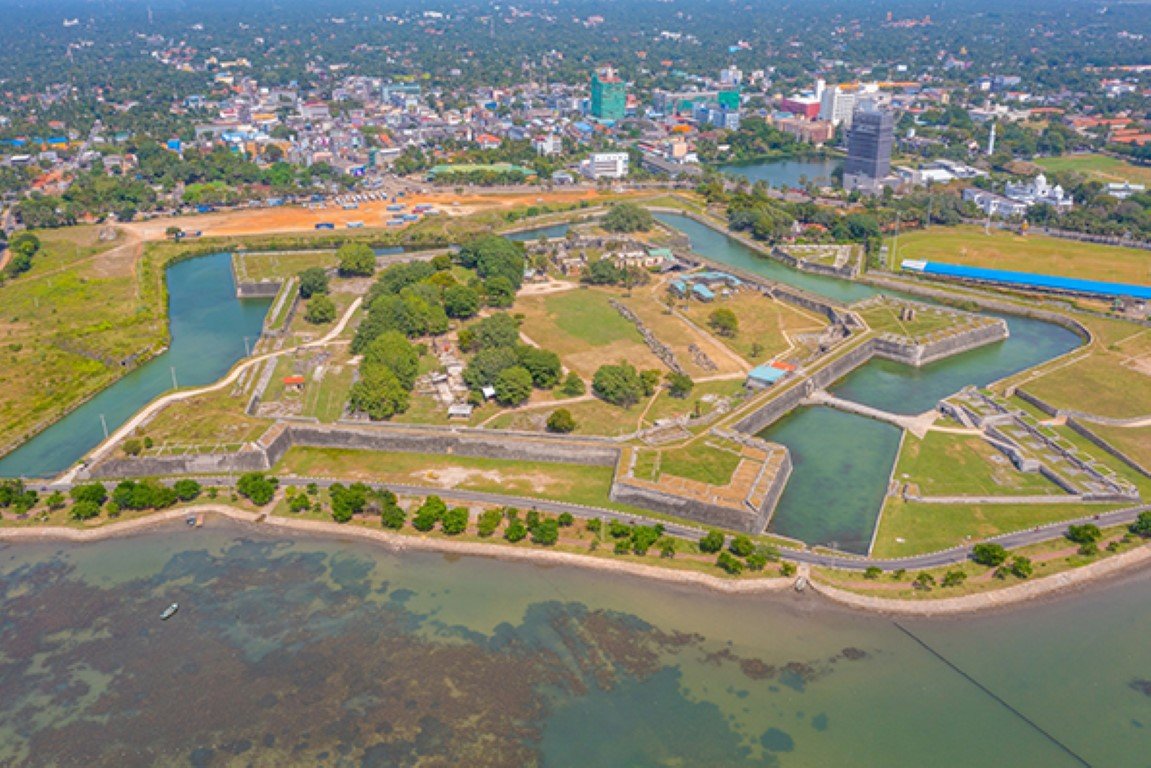
Jaffna is a cultural and spiritual heartland in the north, where Hindu traditions infuse daily life. The Nallur Kandaswamy Kovil, with its towering gopuram, stands as the most important Hindu temple in the region, drawing pilgrims year-round and especially during the grand annual festival. The city is also home to churches, mosques, and colonial-era temples that reflect its layered past. Jaffna’s sacred spaces embody resilience and continuity, holding faith at the centre of community identity.
To start designing your tailor-made adventure, contact Lankique Travel directly. Our team is ready to discuss your vision, offer suggestions, and answer any questions. Leave your details and preferences, and we will guide you from inspiration to execution.